UK Government Considers Tourist Fees for National Museum Collections
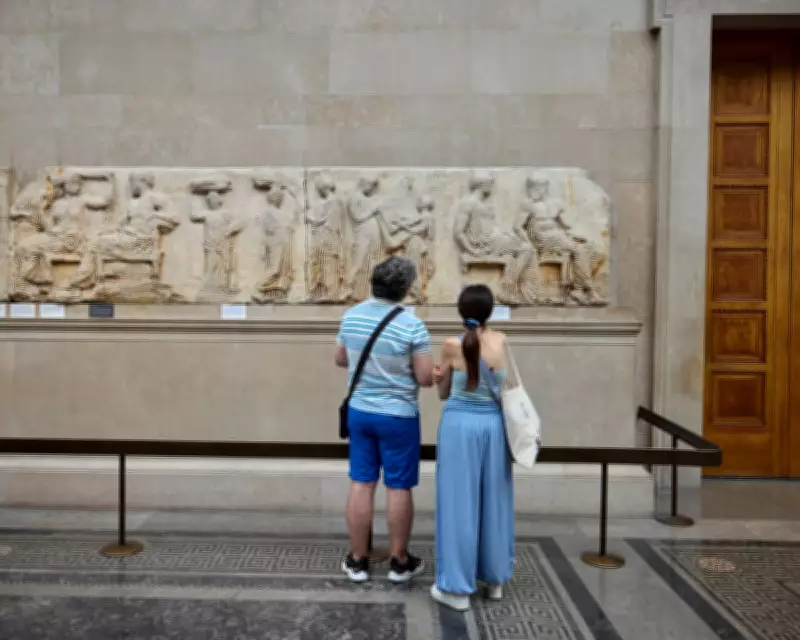
Ministers in the United Kingdom are actively considering the implementation of charges for international tourists to access permanent collections at national museums and galleries. This proposal forms a key component of a broader initiative aimed at revitalizing arts funding across the nation. The government has emphasized the urgent need to identify sustainable, long-term financial solutions for the arts sector, which continues to face significant economic pressures.
Response to Arts Council Review and Funding Options
In its official response to the comprehensive review of Arts Council England conducted by Margaret Hodge in December, the government outlined this potential tourist levy among other strategies. The review had strongly advocated for protecting arts funding from political interference and simplifying the often burdensome application processes that creators must navigate. The government has committed to exploring all recommendations, including increased support for creative careers among underrepresented groups and a nationwide plan to develop the creative sector.
The government concurred with Hodge's assertion that the Arts Council must remain a "strong, politically impartial and independent" entity, fostering a "diversity of ideas" and upholding freedom of expression. To this end, it has pledged £8 million specifically to streamline application processes, enabling artists and organizations to dedicate less time to bureaucratic tasks and more to their creative work. This move signifies a shift away from the current "one size fits all" approach to funding.
Debate Over Tourist Charges Versus Alternative Levies
The proposal to charge international visitors has ignited considerable debate. Alison Cole, director of the Cultural Policy Unit thinktank, has publicly criticized the idea, labeling it a "very bad idea." Cole advocates instead for a hotel levy, arguing it presents a far superior method to secure the future of the UK's civic museums and cultural infrastructure. This perspective finds support in separate research from Art Fund, which indicates that 72% of the British public favors a tourist levy that would subsidize free entry to national museums for all.
National museums and galleries in the UK have offered free entry to all visitors since 2001, a landmark policy widely credited with significantly boosting visitor numbers and enhancing tourism. The Treasury had previously contemplated ending this free entry model as part of broader spending cuts considered for the November 2025 budget, but the plan was abandoned following strong opposition from culture ministers.
Broader Reforms and Regional Investment Focus
The government's response also details plans for a new fund targeted at creatives with "fewer opportunities," alongside efforts to improve access to arts education within schools. It endorsed Hodge's call for "closer engagement with communities," particularly in areas where access to arts and culture has been historically limited. This commitment is backed by a £2 million investment in regional arts scenes and the reintroduction of regional arts boards.
Darren Henley, Chief Executive of Arts Council England, acknowledged the need for the organization to become "simpler and easier to deal with." He announced steps to streamline monitoring and application processes over the next six months. Furthermore, the Arts Council will investigate new funding generation methods, such as investing in a manner similar to commercial producers—with any profits being reinvested into the sector—alongside pursuing tax breaks and philanthropy drives.
Commitment to Equity and National Storytelling
Culture Secretary Lisa Nandy underscored the government's commitment to equitable cultural distribution. "For far too long, the benefits of culture have not been equally distributed," Nandy stated. "I refuse to sit back while communities are forgotten in our national story. Change must start today. That change begins with a culture sector that is proud and unafraid to tell the whole story of our nation."
She emphasized that a reformed and independent Arts Council would be central to a vision aimed at reaching, inspiring, and nurturing young people who might otherwise lack opportunities to engage creatively or pursue creative careers. Henley cited Bradford's newfound "artistic confidence" as the 2025 UK City of Culture as a prime example of how sustained regional cultural investment can profoundly transform a community's self-perception and behavior.
The ongoing discussion reflects a critical juncture for UK cultural policy, balancing financial sustainability with the foundational principle of free public access to national treasures.