Natural History Museum Tops UK Attraction List with Record Visitor Surge in 2025
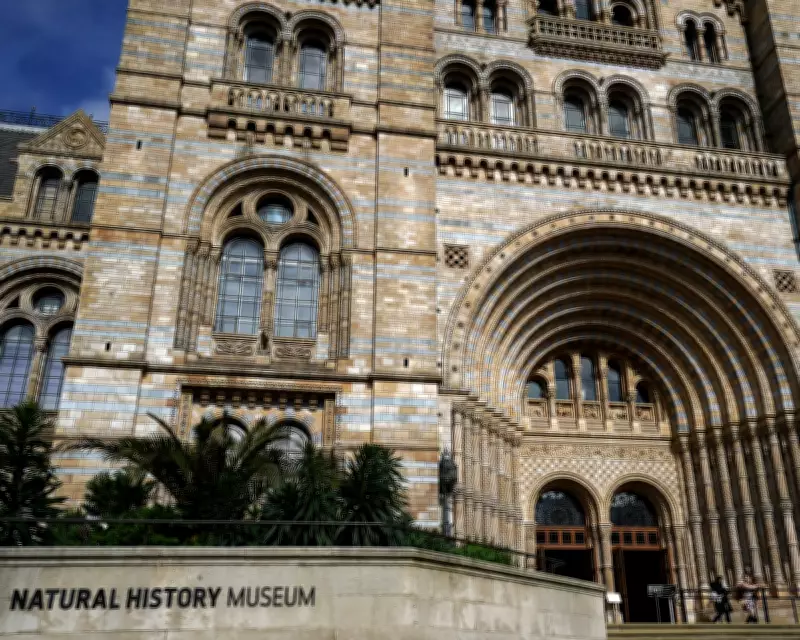
The Natural History Museum in London achieved a historic milestone in 2025, welcoming an unprecedented 7.1 million visitors, which represents a 13% increase from the previous year. This remarkable growth has solidified its position as the most popular attraction in the United Kingdom, outperforming other major institutions amidst broader challenges in the tourism sector.
Key Factors Behind the Museum's Success
According to Bernard Donoghue, director of the Association for Leading Visitor Attractions (Alva), the museum's success can be attributed to several strategic initiatives. The renovated outdoor gardens and the introduction of the Fixing Our Broken Planet gallery, which explores climate crisis solutions, have been particularly influential. This climate-focused exhibit alone attracted over 2 million visitors, contributing to a third consecutive year of growth.
Donoghue emphasized the appeal of the museum as a free and engaging destination, stating, "It's an astonishingly fun, joyful day out and it's free. Even in a cost of living crisis, it's clear that the last thing that people are prepared to sacrifice are day visits and spending special time with special people in special places."
Comparative Performance of Other Top Attractions
While the Natural History Museum thrived, other leading UK attractions faced declines. The British Museum secured second place with 6.4 million visits, followed by the crown estate in Windsor at 4.9 million, Tate Modern at 4.5 million, and the National Gallery at 4.1 million. Notably, only the National Gallery, which reopened its Sainsbury Wing after a two-year renovation, saw a slight increase, while others struggled to reach pre-Covid levels from 2019.
Donoghue highlighted the financial pressures on institutions, citing government policies such as increased national insurance contributions and a higher minimum wage introduced in the 2024 autumn budget. "All of that was unplanned and hit in April of last year. So they found last year financially really tough. A lot of my members went through redundancies and restructuring programmes ... It's been a really tough operating environment," he explained.
Challenges in International Tourism Recovery
The slow recovery to 2019 visitor numbers is partly due to a decline in international tourists, particularly from China. Donoghue noted that the UK has only regained 81% of Chinese visitors compared to 2019, while countries like Italy have recovered around 120%. He attributed this disparity to the UK's removal of tax-free shopping, making destinations like France, Spain, and Italy more attractive for combined retail and cultural tourism.
To address these challenges, Donoghue called for government interventions, including reducing VAT on visitor attractions, reintroducing tax-free shopping, and ensuring that any proposed tourism tax is reinvested into cultural and tourism sectors.
Optimism for Future Growth in the Arts Sector
Despite current hurdles, there is optimism for 2026, with several major attractions and openings planned across the UK. These include the British Museum's loan of the Bayeux tapestry, the launch of V&A East, the new London Museum, and the Museum of Youth Culture, which are expected to drive higher visitor growth and revitalize the arts landscape.