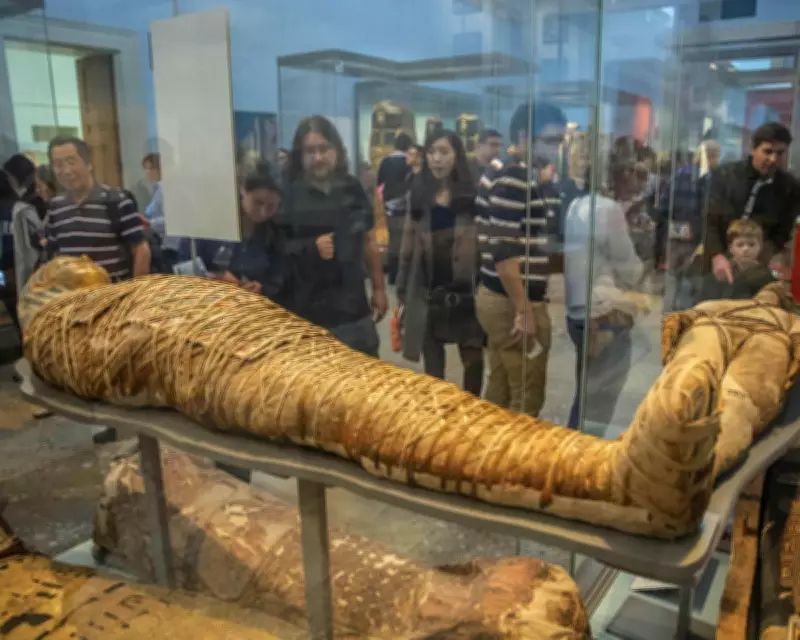
Museum Experts Advocate for Ethical Treatment of Human Remains Amid Political Scrutiny
In response to recent parliamentary criticism regarding the vast scale of overseas human remains held in UK museums, leading academics have emphasized that the ethical management of these collections has been a long-standing priority for professionals in the field. Professors Liv Nilsson Stutz and Sarah Tarlow argue that while public outrage is understandable, the narrative that museums are indifferent to these ethical challenges is both counterproductive and inaccurate.
Decades of Ethical Engagement in Museum Collections
The professors note that the issue of human remains in museums has been central to archaeologists, anthropologists, and museum professionals for many years. Their recent large-scale research project, which examined ethical practices across European institutions, reveals that collection managers are deeply concerned with the human remains under their care. Despite often operating with limited resources, these professionals overwhelmingly demonstrate empathy and a commitment to ethical stewardship.
Contrary to assumptions, human remains from colonial contexts tend to receive more ethical attention than those from local or archaeological sources, highlighting a nuanced approach within the sector.
Repatriation and Beyond: Developing Comprehensive Care Practices
While repatriation to communities of origin is a crucial aspect of ethical care for some remains, the professors point out that many human remains in museums cannot be repatriated. This includes remains from domestic archaeological contexts, medical collections, or cases where no descending group claims them. They stress the importance of developing robust ethical care practices for these often-overlooked categories, ensuring all human remains are treated with dignity and respect.
Government Responsibility Over Museum Blame
The response criticizes MPs for focusing their outrage on museums, arguing that elected officials hold far greater power to address the legacy of colonialism. Instead of undermining the fragile relationships of trust and cooperation built between institutions and stakeholders over recent decades, the professors urge the government to provide financial support for the ethical care of human remains. This, they assert, would be a more effective way to tackle the complex historical issues at play.
By fostering collaboration and adequate funding, the UK can better honor its duty of care to human remains in museum collections, the professors conclude, calling for a shift from blame to constructive action.