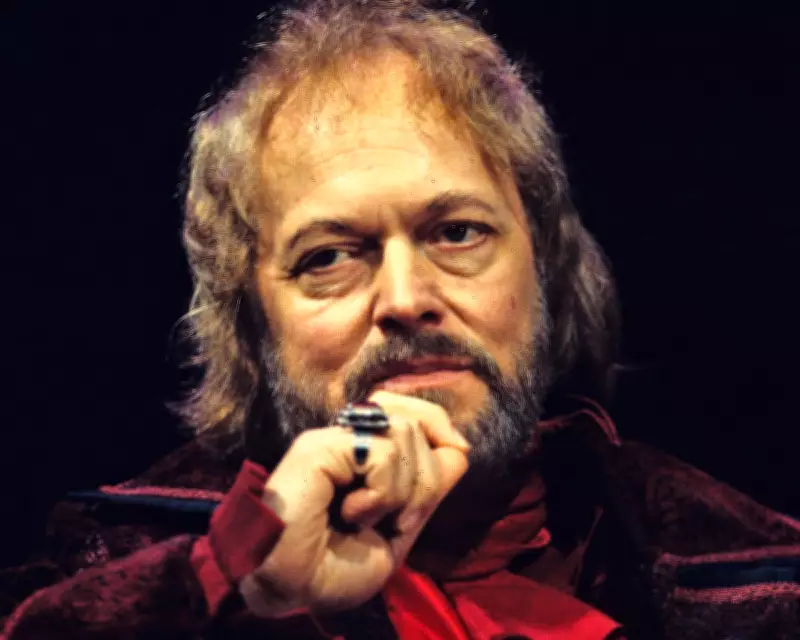
Michael Pennington, the acclaimed Shakespearean actor who co-founded the English Shakespeare Company and wrote extensively about theatre, has died at the age of 82. Known for his resonant voice, handsome countenance, and ease on stage, Pennington was what Richard II called a "well-graced actor." Over his kaleidoscopic career, he displayed astonishing variety, from classical roles to modern drama, and from one-man shows to directing.
A Career of Distinctive Phases
Pennington spent much of the 1960s and 1970s with the Royal Shakespeare Company. His Berowne in Love's Labour's Lost (1978) captured a man hooked on sublime rhetoric, and his Hamlet (1980) was sharp-brained and sweet-souled. Later at the National Theatre, he starred in Venice Preserv'd with Ian McKellen and in Strider: The Story of a Horse, where he endowed the equine protagonist with dignity through a light-stepping walk.
Co-Founding the English Shakespeare Company
Alongside Michael Bogdanov, Pennington founded the English Shakespeare Company, playing roles from Henry V to Coriolanus. The company was described as both progressive and nostalgic, grounded in political argument but with a touring spirit dubbed "rock'n'roll" Shakespeare.
Mastery of Modern Drama
Though associated with classics, Pennington excelled in modern works. He understood Harold Pinter instinctively, performing in the Gate Theatre Dublin's 1994 Pinter festival as the steely interrogator in One for the Road and the disintegrating Deeley in Old Times. In Ronald Harwood's plays Taking Sides and Collaboration, he portrayed Wilhelm Furtwängler with wounded hauteur and Richard Strauss with fierce obsessiveness.
Solo Shows and Scholarly Work
Pennington performed two striking solo shows. As an ardent Russophile, his portrait of Anton Chekhov captured the writer's contradictions. Sweet William combined textual scholarship with performance skills, offering a rounded portrait of Shakespeare. He also wrote 10 books full of practical wisdom and was witty company.
Pennington's passion for Shakespeare was not slavish. After a platform talk where he expressed doubts about King Lear, Pennington privately agreed with him, showing his humility. His legacy endures in his performances, writings, and the company he helped build.