Macron Intervenes at Louvre Following High-Profile Jewelry Theft
French President Emmanuel Macron has taken decisive action by appointing a new director to oversee the Louvre Museum in Paris, a move prompted by a significant jewelry heist that has rocked the institution. The theft, which occurred recently, involved valuable artifacts and highlighted critical security lapses at one of the world's most visited museums. This appointment aims to restore confidence and implement robust measures to prevent future incidents.
Security Breach Exposes Vulnerabilities
The heist, described as a sophisticated operation, targeted a collection of precious jewelry on display at the Louvre. Initial reports suggest that the thieves exploited weaknesses in the museum's surveillance and alarm systems, leading to the successful removal of items estimated to be worth millions of euros. The incident has sparked widespread alarm among cultural heritage experts and the public, raising questions about the adequacy of current security protocols at major tourist attractions.
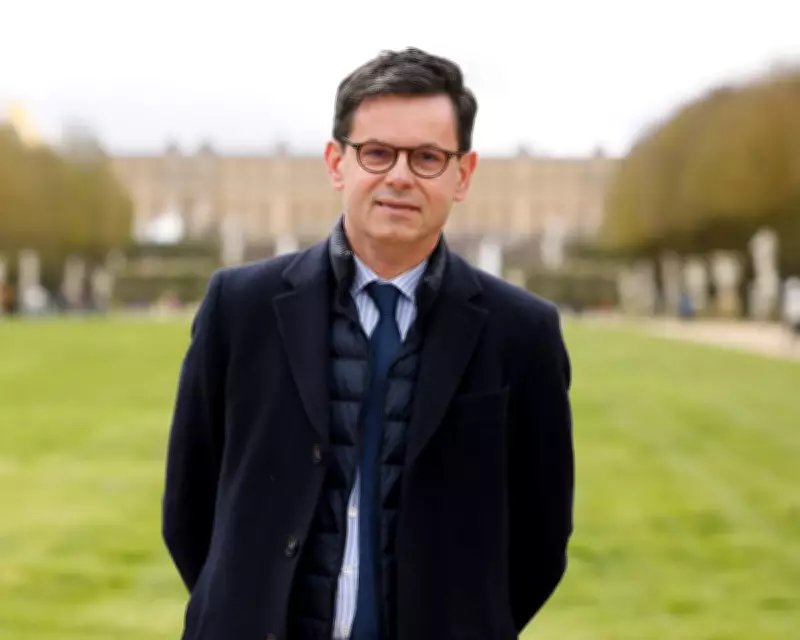
In response, President Macron's administration has emphasized the urgency of addressing these vulnerabilities. The new director, whose name has been officially confirmed, brings extensive experience in museum management and security enhancement. This leadership change is part of a broader strategy to overhaul safety measures and ensure the protection of France's cultural treasures.
Implications for Global Museum Standards
This crisis at the Louvre has broader implications for museums worldwide, as it underscores the ongoing challenges in safeguarding priceless artifacts against evolving threats. The appointment signals a commitment to setting higher standards for security and operational excellence. Experts note that such incidents can damage a museum's reputation and deter visitors, impacting tourism and cultural exchange.
The French government is also reviewing policies related to artifact insurance and emergency response plans. Stakeholders, including international art communities, are closely monitoring the situation, hoping that the Louvre's recovery will serve as a model for other institutions facing similar risks.
As the new director assumes their role, the focus will be on implementing advanced technologies, such as enhanced surveillance and biometric access controls, to fortify the museum's defenses. This proactive approach aims to not only recover from the current crisis but also position the Louvre as a leader in museum security innovation.