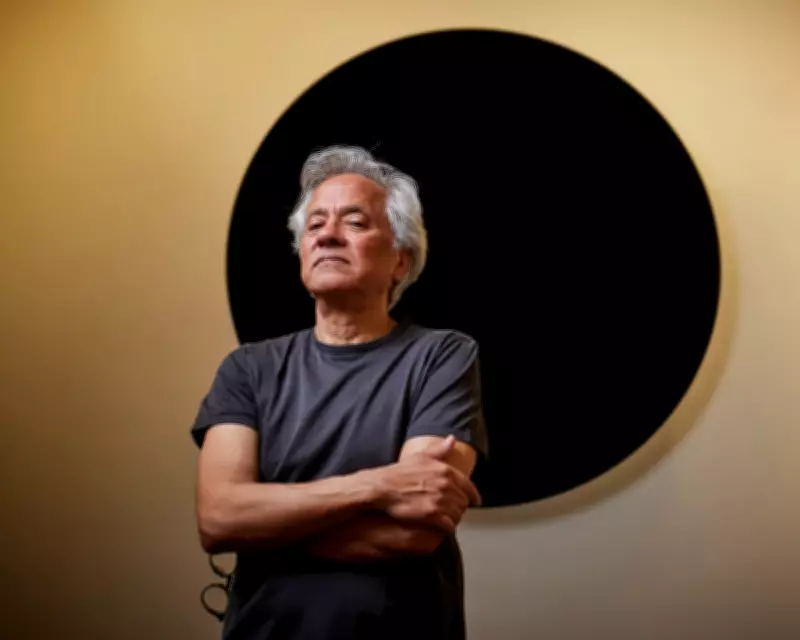
Renowned British-Indian sculptor Anish Kapoor has ignited a fiery debate in the art world by declaring that the United States should be excluded from the Venice Biennale, one of the most prestigious international art exhibitions. In an interview with The Guardian, Kapoor argued that the US's current political and social climate disqualifies it from participating in the cultural event, which he described as a platform for global dialogue and artistic freedom.
Kapoor's Controversial Stance
Kapoor, known for his provocative works such as Cloud Gate in Chicago and Sky Mirror in London, stated that the US's actions on the world stage, including its foreign policy and domestic human rights issues, make it an unsuitable participant. He suggested that the Biennale should take a stand by excluding the US, similar to how Russia was barred after its invasion of Ukraine. "We cannot separate art from the society that produces it," Kapoor said. "The US has demonstrated a disregard for international norms and basic human decency. Why should it be given a platform at the Biennale?"
Reactions from the Art Community
Kapoor's comments have drawn both support and criticism. Some artists and curators agree that the Biennale should reflect ethical considerations, while others argue that art should transcend politics. American artist Kara Walker responded, "While I understand Kapoor's frustration, I fear that excluding the US would only silence American artists who are already fighting against these issues. We need dialogue, not isolation." The Venice Biennale organizers have not yet issued an official statement, but sources indicate that the topic has sparked internal discussions.
- Supporters: Claim that excluding the US would send a powerful message about accountability in the art world.
- Critics: Argue that it would be a form of censorship and undermine the Biennale's mission of inclusivity.
Kapoor's call comes at a time when the Biennale is already grappling with questions about political participation. In 2024, Russia was excluded, and Israel's involvement has been protested by pro-Palestinian groups. The debate highlights the growing tension between art and politics in global cultural institutions.
Historical Context
The Venice Biennale has a long history of political controversies. During World War II, the event was used for propaganda by Fascist Italy. In recent years, it has faced criticism for its handling of issues such as colonialism and climate change. Kapoor's proposal could set a precedent for how the Biennale addresses future geopolitical conflicts.
What's Next?
As the 2026 Biennale approaches, Kapoor's remarks are likely to fuel further debate. Some have called for a formal vote among participating nations, while others suggest creating a separate "observer" status for controversial countries. For now, the art world watches closely to see if the Biennale will take a definitive stand.
Kapoor, whose work often explores themes of identity and politics, remains unapologetic. "Art is not neutral," he concluded. "It must take sides when humanity is at stake."