The future of free entry to UK museums and galleries is under intense scrutiny as funding challenges spark a heated debate among experts and the public. Recent discussions have centered on whether introducing small charges for international visitors could provide a sustainable solution without compromising access for UK residents.
Nick Merriman's Stance on Free Entry
Nick Merriman, a prominent voice in the cultural sector, has clarified his position after being quoted in a report that suggested the golden era of free museum entry might be ending. In a letter to the Guardian, Merriman emphasized his support for free entry for all, stating that he was misrepresented in a Daily Telegraph article. He explained that while he acknowledged the theoretical willingness of people to pay, he outlined numerous financial, practical, and ethical reasons why introducing charges would not work. Merriman firmly opposes being seen as an advocate for museum fees, reinforcing his commitment to keeping cultural institutions accessible to everyone.
Proposals for Funding Solutions
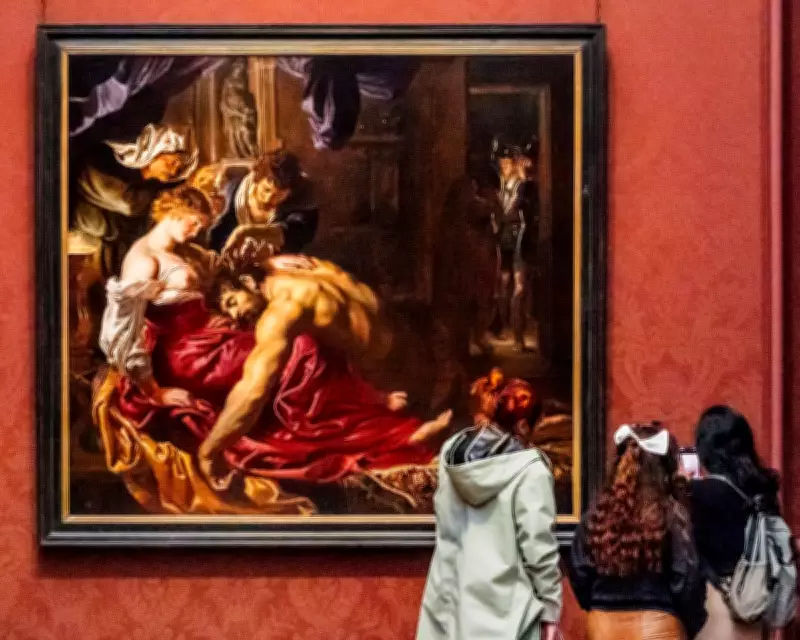
In response to budget difficulties faced by museums like the National Gallery in London, several proposals have emerged. Hugh R. Craig from Edinburgh suggests using identity cards to differentiate between UK citizens and foreign nationals. Under this plan, UK residents would continue to enjoy free access to national artworks, which they own, while international visitors would pay an entrance fee. Craig argues that this system mirrors practices abroad and would not deter tourists, as they typically make only one visit to popular sites during their stay.
Peter Fordham's Visitor Tax Idea
Peter Fordham from Holcombe Rogus, Devon, offers a broader financial strategy. He points out that with over 100 million international visitor nights annually in London, a small tax of £2 per night could generate more than £200 million per year. This revenue could address funding shortfalls not only for the National Gallery but also for other museums and heritage attractions currently offering free access. Fordham notes that given London's high hotel rates, often exceeding £100 per night, such a tax is unlikely to discourage tourism, ensuring that UK residents can maintain free entry to these cultural treasures.
Implications for Museums and Tourism
The debate highlights the delicate balance between preserving free access for locals and securing sustainable funding for museums. Proponents of charges for international visitors argue that it is a fair way to leverage tourism revenue without burdening UK taxpayers. Critics, however, warn that any fees could set a precedent leading to broader charges, potentially undermining the principle of free cultural access. As museums like the National Gallery continue to face financial pressures, this discussion is likely to evolve, with stakeholders seeking innovative solutions to protect the UK's rich artistic heritage for future generations.
The Guardian encourages readers to share their opinions on this and other topics, inviting letters for potential publication in their letters section. This ongoing conversation underscores the importance of public engagement in shaping cultural policy and ensuring that museums remain vibrant and accessible hubs for all.