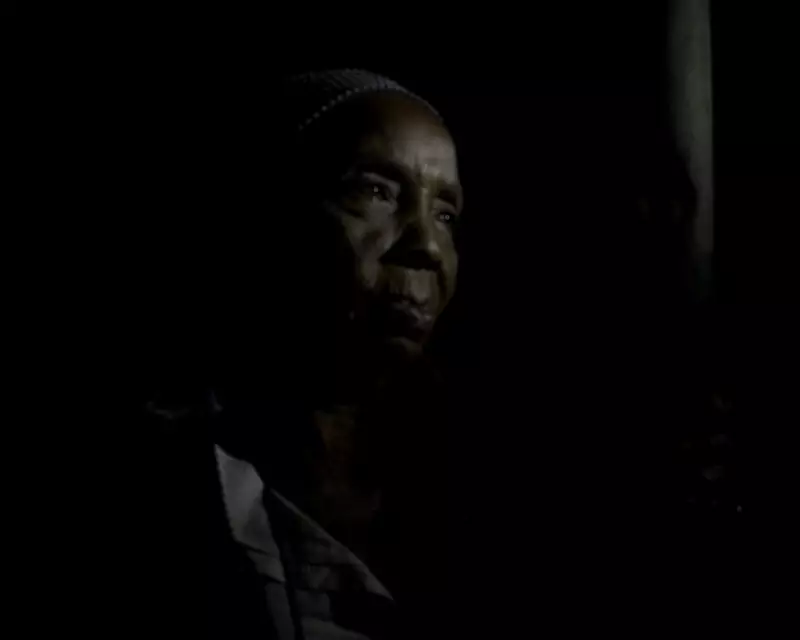
Inadelso Cossa's second feature documentary, The Nights Still Smell of Gunpowder, delves into the enduring trauma of Mozambique's civil war (1977–1992). By revisiting his childhood village and interviewing his grandmother, whose dementia makes her testimony unreliable, Cossa navigates a landscape where real and imagined truths blur. The film's evocative cinematography captures nocturnal scenes—wooden sheds, grassy fields, and his grandmother—cloaked in darkness, creating a deceptive calm that belies lingering specters of the past.
Personal and Collective Memory
Cossa also speaks with other witnesses, such as Macuacua and Zalina, an older couple whose domestic bickering is tinged with unease. Macuacua, a former soldier who once participated in violence against civilians, now lives in poverty. In a striking moment, he holds a tree branch shaped like a rifle and matter-of-factly reenacts a patrol route from his youth, collapsing past and present as muscle memory takes over.
Non-Traditional Documentation
The film prioritizes monologues, songs, and reenactments over archival footage, embodying the slipperiness of memory. While this approach can make the narrative difficult to follow at times, it reveals not just facts but feelings—where pain and healing intertwine. The Nights Still Smell of Gunpowder streams on True Story from May 1.