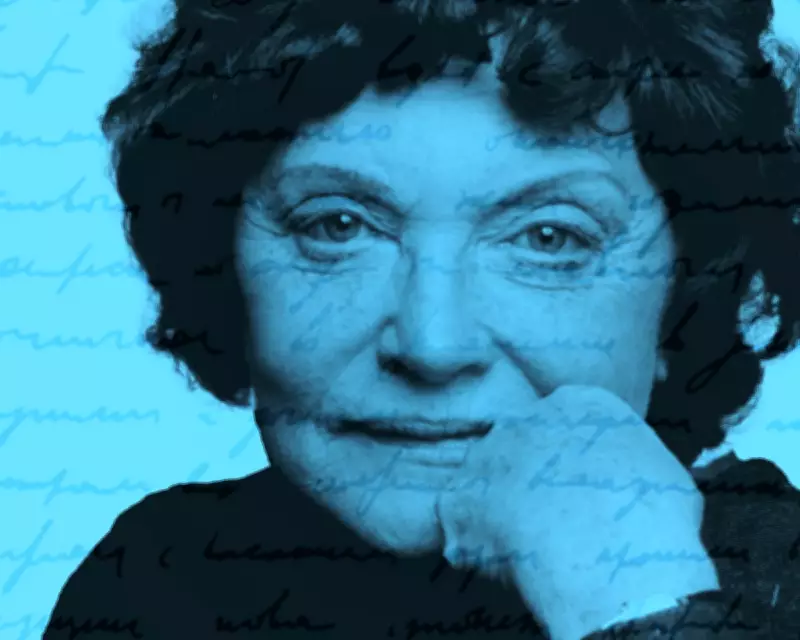
Navigating the World of Muriel Spark: A Literary Journey
Next week commemorates two decades since the passing of Muriel Spark, the renowned Scottish novelist, short story writer, poet, and essayist. Celebrated for her 22 novels—characterized by their uncanny, astute, and witty nature—Spark's literary career began with her 1957 debut, The Comforters. In this guide, James Bailey, author of the new biography Like a Cat Loves a Bird: The Nine Lives of Muriel Spark, leads us through her remarkable body of work.
The Perfect Entry Point
Typically, a Muriel Spark novel employs a distinctive method to captivate readers. She often introduces an enclosed community—such as nuns, schoolgirls, or castaways on a desert island—filled with gossip, deceptions, and conflicts ranging from trivial to profound. Into this microcosm, Spark inserts a disruptive element: murder, scandal, or even an actual explosive device if she's feeling particularly daring. She then steps back, allowing readers to observe as tensions ignite and drama unfolds.
For those new to Spark's storytelling, a great starting point is the darkly comic 1959 novel Memento Mori. This work features a group of quarreling pensioners who receive anonymous phone calls with the chilling message: "Remember you must die." The novel provocatively explores whether the inevitability of death frees us from our fears, squabbles, jealousies, and neuroses, or if these burdens persist until our final moments.

The Extraordinary Debut
In early 1954, at age 35, Muriel Spark was on the brink of a nervous breakdown. Struggling with poverty, hunger, and an overwhelming workload, she turned to the stimulant dexedrine to suppress her appetite and write through the night. Reflecting on this period, Spark later remarked that the drug "made you less hungry, but it also made you dotty." Her experiences included delusions of secret codes in books and suspicions that T.S. Eliot was spying on her disguised as a window cleaner.
Fortunately, Spark recovered and channeled this ordeal into her extraordinary debut novel, The Comforters. The protagonist, writer Caroline Rose, feels her reality slipping away as she hears the clacking typewriter keys of a "Typing Ghost" that dictates her life's events. Defiantly, Caroline resists this control, leading to a meta-fictional struggle between character and author. The novel weaves in elements of diabolism, diamond-smuggling, and characters who occasionally vanish, showcasing Spark's innovative rule-breaking in fiction.
The Most Quotable Work
"Give me a girl at an impressionable age and she is mine for life," declares Jean Brodie to her select group of six schoolgirls, known as the "Brodie set." This iconic line is among many memorable phrases in Spark's best-known novel, The Prime of Miss Jean Brodie, which immerses readers in the language of a secret society. Other notable quotes include "I am in my prime" and "All my pupils are the creme de la creme," creating a sense of exclusivity and privilege.
Spark masterfully crafts a narrative centered on favoritism, fascism, and the allure of belonging. Jean Brodie's classroom becomes a captivating world, making the outside seem dull by comparison. She warns a less-favored student, "You will end up as a Girl Guide leader in a suburb like Corstorphine," highlighting the novel's sharp social commentary.
The Creepy Masterpiece
Muriel Spark regarded The Driver's Seat as her finest and creepiest achievement, a sentiment many readers share. Published in 1970, during a period of taut, elliptical works like The Public Image and Not to Disturb, this novel resembles a holiday romance twisted into something grotesque. The protagonist, Lise, embarks on a trip in a new dress, cheerfully announcing she's off to meet the man of her dreams. However, the reality of her journey is far darker, evoking the unsettling tones of Shirley Jackson rather than a lighthearted romance.

Reflecting Modern Life
Spark possessed a unique talent for portraying narcissists, self-mythologists, and charlatans, often exploring the dichotomy between public personas and private realities. Her 1968 novel, The Public Image, written in Rome amid the rise of paparazzi culture, feels strikingly relevant today. The story follows a film star's frantic efforts to repair her reputation after her self-absorbed husband attempts to ruin it. As she delves deeper into a world of artifice, she loses touch with her true identity, offering a poignant critique of fame and image in the modern era.
Overlooked Gems
"He looked as if he would murder me and he did." This haunting line comes from Needle, the ghost narrator of Spark's 1958 short story, The Portobello Road. Needle returns from the dead to tell her tale and confront her killer, exemplifying the unquiet spirits that populate Spark's short fiction. These ghost stories, which form a significant part of her Complete Short Stories, deserve greater attention for their blend of the ordinary and the supernatural.
Many of Spark's ghosts lead mundane lives—riding buses, maintaining homes, and visiting relatives—yet they grapple with unresolved conflicts and desires. In a playful meta-fictional twist, characters from a 1953 story reappear in a 1996 revision to demand a better ending from their creator. This blend of creepiness and playfulness is quintessentially Spark, showcasing her innovative and enduring literary voice.