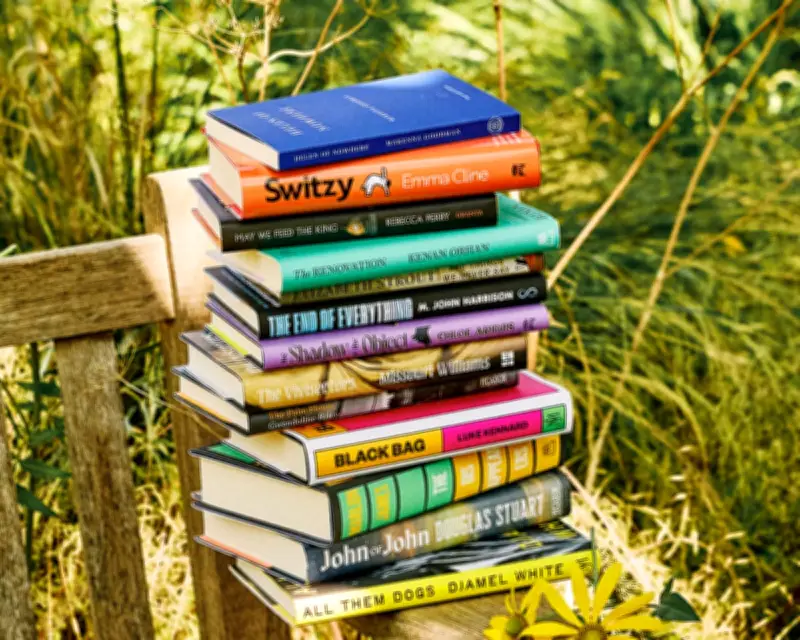
The 2025 Booker Prize longlist features two previous winners—Marlon James and Douglas Stuart—alongside Elizabeth Strout, with an emphasis on experimental storytelling. Announced on July 30, the 13-novel list includes works that tackle homophobia, dementia, and cultural decline through surreal and polyphonic narratives.
Previous Winners Return with Bold Themes
Marlon James, who won in 2015 for A Brief History of Seven Killings, returns with The Disappearers, set for release in September. The novel is a polyphonic epic about a 1988 mob attack on a gay theatre group in Kingston, Jamaica, and the subsequent two decades of trauma and revenge. It exposes Jamaica's homophobia while celebrating queer culture and the Caribbean diaspora. Douglas Stuart, winner in 2020 for Shuggie Bain, presents John of John, about a young gay man returning to the Hebridean island of Harris, where his devout father hides his own sexuality. The novel explores faith, repression, and fading traditions in the Scottish Hebrides.
Strout and Cline Explore Aging and Loss
Elizabeth Strout, a three-time nominee, contributes The Things We Never Say, introducing new characters to her fictional universe. The story follows a fiftysomething teacher with a secret in his marriage and a growing darkness from the Trump era, yet retains Strout's signature warmth. Emma Cline's Switzy, out in September, delves into the mind of a high-flyer with dementia, embarking on a final journey to a euthanasia clinic in Zurich. The unreliable narrator technique offers a moving account of life's meaning as faculties fade.

Surprises and Omissions
Ben Lerner's Transcription, a meditation on family inheritance and technology, was a notable omission despite predictions. However, British author Gwendoline Riley earned her first nomination for The Palm House, a tender investigation of long friendship amid London's precarity. M John Harrison's The End of Everything presents an England drifting into terminal decline via alien invasion, blending science fiction with modernist prose.
Absurdist and Surrealist Undercurrents
Judge Patricia Lockwood, known for her idiosyncratic style, told the Observer: “In the face of AI and the fractured attention span, I think we’re going to see a new avant garde that insists on the participation of the human … there is a new, weird literature emerging.” This is reflected in works like Missouri Williams' The Vivisectors, set in a university town overtaken by vegetation, a parable of culture wars and family dysfunction. Rebecca Perry's May We Feed the King contrasts a contemporary curator with an unwilling medieval ruler, while Makenna Goodman's Helen of Nowhere is a witty fable of male entitlement.
Global Voices and Comic Absurdity
Kenan Orhan's The Renovation uses Kafkaesque absurdity—a bathroom in Italy becoming a prison cell in Istanbul—to explore migration and political repression. Luke Kennard's Black Bag follows a failing actor who participates in a university experiment, clad in a black leather bag, offering comic takes on masculinity and modern confusion. Irish debutant Djamel White's All Them Dogs portrays queer desire in Dublin's ganglands, while Chloe Aridjis's The Shadow of the Object is a dreamlike story of magic lanterns and illusion, reminiscent of W.G. Sebald.
Shortlist Announcement
The shortlist will be released on September 22, potentially shifting the emphasis, but the longlist currently showcases a willingness to experiment with form and content.