In 'Up All Night: A History of Going Out', academic and 'party historian' Imogen Willetts examines the last 500 years of civilisation through the lens of nightlife, with fascinating results. The book mixes historical research, critical theory, and conversational pop culture references, making for a bright and compelling read.
Collective Effervescence and the Night Out
Willetts begins by capturing the feeling of a big night out, focusing on what sociologist Émile Durkheim in 1912 called 'collective effervescence'. She explains this through ancient tribal hunting rituals, dancing to Charli XCX's '365', or singing along to 'Sweet Caroline' in a stadium. The 'seemingly superficial act of getting gussied up to drink, dance, have fun and meet people' is much more, encompassing rebellion, community, innovation, art, love, sex, and political revolution.
Weimar Berlin Corrected
One engrossing chapter corrects the story of Weimar-era Berlin, which Willetts argues has been fixed in memory by the musical 'Cabaret'—a revisionist portrait based on tourist experiences. She notes surprisingly little appetite for political satire, though cabaret performances could be transgressive. The dancer Anita Berber is a mesmerising figure: her daily 'breakfast elixir' was chloroform, ether, and white rose petals. On stage, she performed dances called 'Morphine' and 'Cocaine', dipping in an urn of blood. This shocked audiences in 1922 and would likely still shock today.
From Studio 54 to the Rat Pack
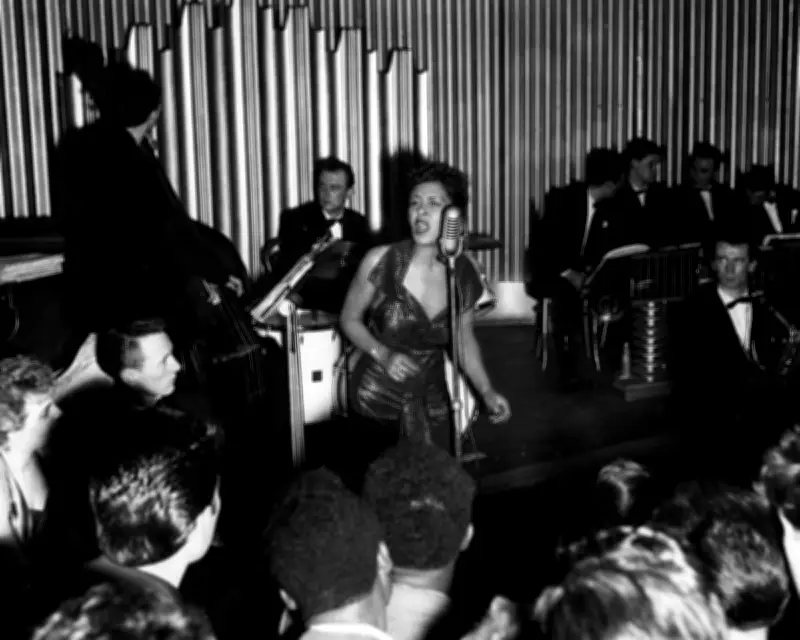
Key moments like the arrival of disco and Studio 54, or the 'lifestyle porn' of the Rat Pack in Las Vegas, are covered. Willetts is wary of Studio 54's legend and scathing about the Rat Pack. Famous figures appear—Josephine Baker, Billie Holiday, Edie Sedgwick—but she favours those lost to history, like New Orleans jazz pioneer Buddy Bolden, who Louis Armstrong believed played so much cornet his brain starved of oxygen, sending him mad.
Cyclical Patterns of Nightlife
From 18th- and 19th-century London's class-defying pleasure gardens to Detroit's techno birth, each scene follows a pattern: invented by artists, eccentrics, and outsiders (often immigrants), they bring new sounds, dances, and ways to seek sex and love. But glory days are short-lived, extinguished by crackdowns or popularity. Tourists and gentrifiers move in; crazes are co-opted by governments, organised crime, or corporations.
Smartphones and the Slump
Willetts approaches the present with doom, acknowledging nightlife is cyclical and we are in a slump. 'Smartphones are ruining our nights out,' she writes bluntly. Surveillance, Gen Z's fear of being 'cringe', and digital entertainment apathy have stifled the 'roaring 20s' expected after Covid lockdowns. Her epilogue is rousing: 'We'll never be able to feel the high of collective effervescence through a screen.' After reading this history, few could resist pursuing it again.