Memorial Benches Surge: Why Public Grieving Spaces Are Overwhelming UK Councils
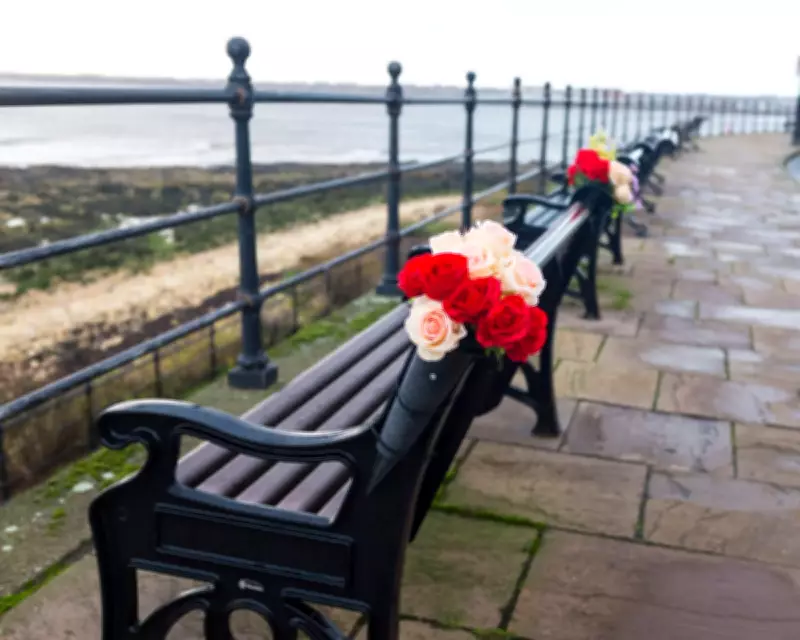
Hartlepool council has recently announced a complete halt to new applications for memorial benches along its seafront, citing an overwhelming number of existing installations. This decision places Hartlepool among a growing list of towns and parks across the United Kingdom that are struggling to manage the escalating demand for these poignant public commemorations.
The Cultural Shift Toward Public Mourning
In an age where digital memorials on social media platforms offer seemingly infinite virtual space, the persistent desire for physical commemorations like benches raises intriguing questions. The popularity of memorial benches directly challenges the notion that we inhabit a purely post-material world. Instead, it signals a profound transformation in contemporary grieving practices.
These benches represent a movement toward public mourning rather than private sorrow confined behind closed doors. This shift appears particularly pronounced in secular societies where traditional religious institutions no longer mediate the grieving process as exclusively as before. Digital culture has likely accelerated this transition, normalizing the public expression of personal loss.
How Benches Reframe Our Relationship With Death
Unlike cemeteries—spaces deliberately separated from daily life where remains are interred—memorial benches celebrate vitality and physical presence. Positioned in parks, squares, or along seafronts, they reintegrate memories of loved ones into the bustling rhythm of everyday existence. Families and friends often gather on these benches during anniversaries to celebrate lives rather than merely mourn deaths.
What distinguishes benches from other public memorials like plaques or dedicated trees is their function as way-stations for the living. They serve multiple purposes:
- Spaces for quiet contemplation or reading without social judgment
- Locations for chance encounters between strangers
- Free public areas requiring no consumption or specific action
- Sites where new experiences unfold—eating, meeting, arguing, laughing, or simply resting
Over time, the physical interaction with these benches creates a palimpsest effect, as visitors' bodies gradually wear the inscriptions while superimposing their own presence upon the original dedication.
The Intimate Narratives of Ordinary Lives
Memorial benches celebrate lives that might appear unremarkable from external perspectives, yet their inscriptions reveal profound personal significance. These micro-narratives, sometimes containing just a name and dates, compel us to calculate lifespans and occasionally shock us with their heartbreaking brevity.
Since sponsors compose the inscriptions, they often reveal intimate relationships between dedicators and those commemorated. One particularly moving example outside St Paul's church in Covent Garden, London reads: "Christopher Hackett, actor 1963–2010. To the world he was just one, to us he was the world." This inscription transcends conventional fame metrics, placing the individual firmly within the realm of personal connections.
Playful Commemorations and Site-Specific Meaning
Researchers have noted an increasing trend toward playful memorial benches that function as street art. One humorous dedication in Chester states: "This bench is dedicated to the men who lost the will to live while following their partners around the shoe shops of Chester."
Most memorial benches are profoundly site-specific, celebrating both individuals and locations meaningful to their lives. They serve as reminders of how public spaces become woven into our daily routines and personal histories. Inscriptions like "She loved this park" underscore the quiet value, meaning, and conviviality attached to local squares and parks—spaces increasingly threatened by the encroachment of privately owned public areas.
Intergenerational Connections Through Commemoration
A touching incident on the Seaford seafront in East Sussex illustrates how memorial benches create unexpected intergenerational connections. A woman and her children, aged 10 and 12, encountered a bench dedicated to "Glad and Ron Wellden. Now dancing together, always in the hearts of those who love you." The children spontaneously began dancing around it, prompting a delighted response from a passing woman in her sixties who revealed the bench honored her parents—a couple who met dancing during wartime and continued throughout their lives.
This moment exemplifies how memorial benches facilitate ongoing engagement across generations, transforming static commemorations into living celebrations that invite participation and connection.
As UK councils grapple with the practical challenges of accommodating this growing phenomenon, memorial benches continue to serve as powerful testaments to our evolving relationship with grief, memory, and public space. They remind us that even in an increasingly digital world, physical places for remembrance retain profound cultural significance.