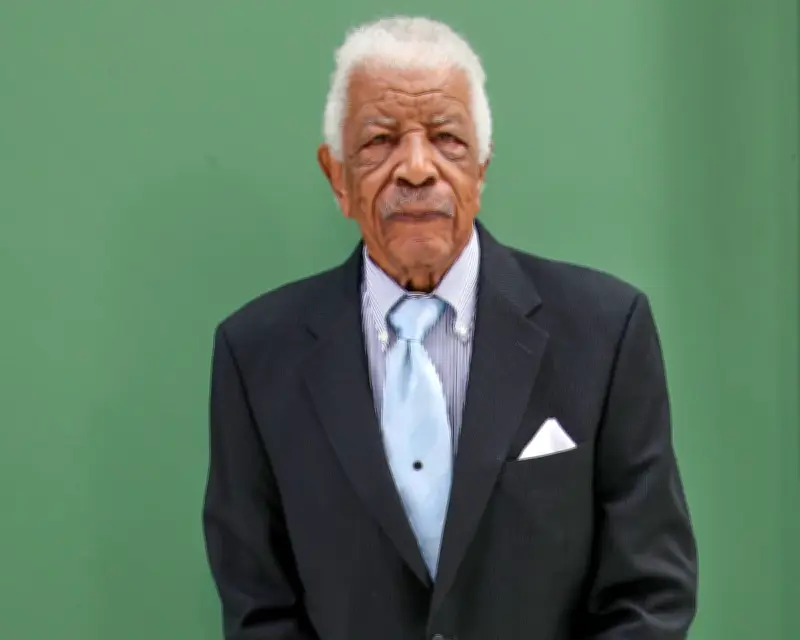
Hal Williams, the actor best known for his television roles in Sanford and Son and 227, died on 15 July at his home in California at the age of 91. His representative confirmed the news.
Career and early life
Williams did not begin acting until his 30s. Before moving to Los Angeles in 1968, he worked as a postal worker and a corrections officer. He gained widespread recognition for playing Officer 'Smitty' Smith in 22 episodes of Sanford and Son, the Norman Lear adaptation of the British sitcom Steptoe and Son, which aired from 1972 to 1977.
During the show's production, Williams continued working an overnight shift at the post office because he did not feel 'financially able' to give up the job. 'I used to go around to the high schools and theater groups and young people,' he said in an interview. 'I used to tell them that if your aspirations include mansions and limousines and things like that, be prepared for a lot of rejection because you need to get a degree in something. Overnight sensations usually take 25 years.'
Role in 227 and other work
Williams also played Lester Jenkins on the sitcom 227, which aired from 1985 to 1990, starring alongside Marla Gibbs, Regina King, and Jackée Harry. After his death, Harry wrote on Instagram: 'What a gentleman. Hal always carried himself with grace, and he always had me laughing … He was also a stand-up guy who believed Black fathers on TV should be loving, present, and compassionate. He helped show America what that looked like.'
His film roles included Hardcore, Herbie Rides Again, Private Benjamin, The Rookie, and Guess Who. He reprised his role in Private Benjamin for the television series adaptation. His other small-screen credits include The Waltons, The Sinbad Show, The Dukes of Hazzard, Knots Landing, Moesha, Hill Street Blues, and most recently the Kathy Bates-led remake of Matlock.
Legacy and impact
In 2022, Williams reflected on the industry: 'There's a lot more Black companies now. There are a lot more Black producers, writers and directors than they ever were before. They're all young. But we opened the doors.'