Why Wooden Chopping Boards Are the Ultimate Choice for Your Kitchen
In the world of culinary tools, the debate over the best chopping board material has taken a sharp turn with the rise of unconventional options like titanium. However, a panel of kitchen experts unanimously advocates for the timeless superiority of wooden boards, emphasizing their benefits for knife preservation and hygiene.
The Downside of Titanium Boards
Itamar Srulovich, co-author of the upcoming cookbook Honey & Co Daily, dismisses titanium boards outright, calling the idea "criminal." Sam Clark, co-founder of London's Moro and Morito, echoes this sentiment, stating that the thought of metal against metal sends shivers down his spine. Hugh Worsley, founder of knife brand Allday Goods, explains that hard surfaces like titanium damage the microscopic edge of knives, causing them to dull faster. While titanium may offer cleanliness advantages, Worsley notes it makes no practical sense for everyday use.
The Advantages of Wooden Boards
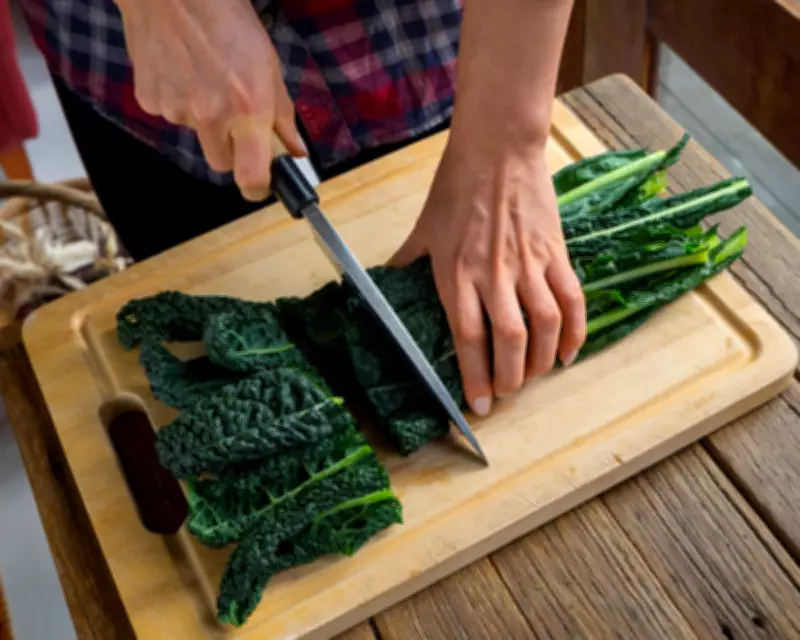
Wood emerges as the top choice among chefs, with some giving honorable mentions to Japanese compressed rubber boards. Sam Clark highlights that the natural density of wood absorbs blade impact, making it kinder to knives, while its grip keeps ingredients steady to reduce slipping risks. Hugh Worsley recommends end-grain hardwoods such as maple, walnut, or oak for durability. Itamar Srulovich prefers oak for daily tasks but uses bamboo for fish and meat due to its cost-effectiveness and manageable weight.

Antibacterial Properties and Maintenance Tips
Clark adds that wood possesses remarkable antibacterial qualities, as it absorbs moisture that bacteria need to survive, naturally preventing their multiplication. Proper care is essential: avoid dishwashers and soaking, instead wiping clean and drying immediately. Ellie Smalls, a woodworker at Selwyn House, suggests scrubbing with coarse sea salt and lemon for deep cleaning. For stubborn stains like turmeric, Milli Taylor of the When in Rome Substack recommends a mixture of fine salt, baking soda, and vinegar.
Preventing and Treating Black Marks
Contrary to common fears, black marks on wooden boards are often not mould but may result from tannin reactions or hot pans on wet surfaces. Smalls advises sanding and reapplying oil every three to six months to seal the board and repel water. This simple maintenance routine ensures longevity and hygiene, keeping your kitchen tools in top condition.
In summary, wooden chopping boards offer a perfect blend of functionality, knife protection, and natural antibacterial benefits, making them the smart choice for any home cook.