Vienna's Sachertorte Quest: A Delicious Journey Through History and Taste
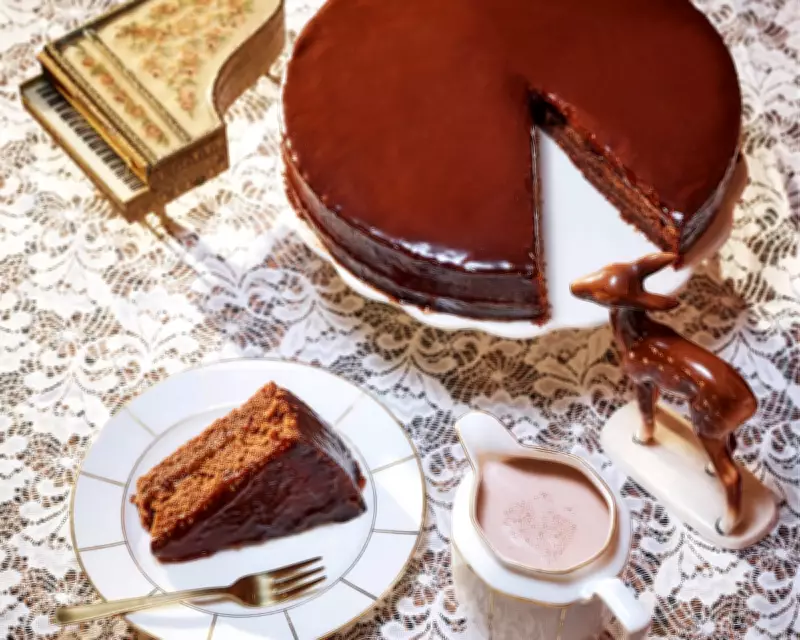
In the grand, old-world ambiance of Viennese coffeehouses, the Sachertorte stands as a legendary chocolate and apricot torte, sparking curiosity and debate among locals and visitors alike. This iconic dessert, created in 1832 by apprentice chef Franz Sacher for Prince Metternich, has evolved into a symbol of Austrian culinary heritage, even igniting a decade-long cake war over its trademark. As modern tastes often decry it as dry or overhyped, a quest to find the tastiest version reveals a rich tapestry of tradition, innovation, and community spirit.
The Historical Roots and Cultural Significance
The Sachertorte's origins trace back to Vienna in 1832, when 16-year-old Franz Sacher crafted it for a royal occasion. His son Eduard later refined the recipe while working at the Demel pastry shop, leading to a legal battle in the 1950s over the trademark. An out-of-court agreement in 1963 allowed Hotel Sacher to market their version with two layers of apricot jam as the original, while Demel could offer the "Eduard-Sacher-Torte" with one layer. This dispute highlights the dessert's deep cultural roots, intertwined with Vienna's centuries-old coffeehouse culture, where cake holds a special place, celebrated on "Sweet Friday" as a Catholic custom replacing meat dishes with sweets.
Tasting the Contenders: From Pink Chains to Grand Hotels
Embarking on a tasting tour across Vienna, several establishments offer their take on the Sachertorte, each with unique characteristics and ratings.

- Aïda: Located near Stephansplatz, this pink-themed coffee shop chain presents a takeaway torte at €6.10. Despite smooth chocolate icing and jammy layers, the sponge is dense and dry, earning a 4.5/10 rating from testers, including local expert Anna, who noted the pores are too close and small.
- Demel: In the bustling patisserie, a takeaway torte costs €8. It features two layers of apricot jam, contrary to historical claims, resulting in a moist and fruity tang. However, Anna found it too sweet and lacking fluffiness, leading to a 5.5/10 score.
- Café Landtmann: This elegant venue offers a lactose-free torte at €8.10 in a 1920s-inspired setting. With thick, fudgey fondant and a decent sponge, it impressed with its charm and quality, scoring an 8.5/10.
- Vollpension: A social enterprise combating loneliness among senior bakers, this "granny cafe" serves a torte at €6. Baked fresh by Mr Johannes, 72, it boasts oozing apricot jam and caramel-like icing, earning an 8/10 for its delicious bargain and heartwarming vibe.
- Café Sacher Wien: At Hotel Sacher, across from the Staatsoper, the torte costs €10.50. It features the thickest chocolate fondant and an excellent balance of jam and sponge, rated 8/10 for technical perfection, though some found it lacking in soul compared to others.
- Coppenrath & Wiese: A supermarket frozen option at about €1 per slice offers a fruity and moist alternative, scoring 5.5/10, but is considered more of a chocolate cake than a true Sachertorte.
Insights and Final Thoughts
This journey through Vienna's pastry scene reveals that the perfect Sachertorte is not just about recipe adherence but also about atmosphere, innovation, and community. While Café Landtmann and Vollpension stood out for their balance of quality and character, the historic Hotel Sacher offered technical excellence. The experience underscores how Vienna's coffeehouse culture continues to evolve, blending tradition with modern social initiatives, making the search for the ideal torte a delicious exploration of the city's heart and soul.