UK Wine Industry Booms: Climate, Innovation, and Education Drive Growth
The British wine industry is undergoing a remarkable transformation, with vineyards expanding across the country from Dorset to Yorkshire. This surge is driven by a combination of climate change, advanced agricultural techniques, and a dedicated educational pipeline, positioning the UK as the world's fastest-growing wine region.
Climate and Techniques Fuel Expansion
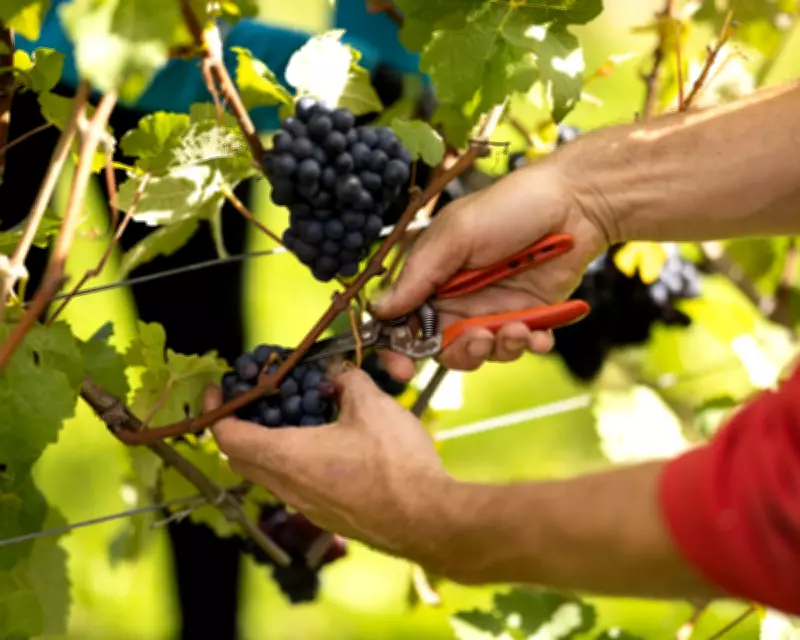
At Langham Wine Estate in Dorset, rows of vines now cover 34 hectares, nearly triple the size since planting began in 2009. Owner Justin Langham notes that shifting weather patterns have made commercial grape cultivation viable in Britain, where it was once impractical. "I don't think we would have been doing what we're doing going back 40, 50 years," he says. However, the climate crisis also brings challenges, such as unpredictable summers that can lead to mould and disease, causing significant vintage variations.
According to Knight Frank, the area of planted vineyards in the UK has quadrupled since 2000, with over 1,100 registered vineyards today. While Britain remains a minor global producer compared to countries like Uzbekistan, its production has skyrocketed. In 2025, English and Welsh producers harvested the equivalent of 16.5 million bottles, more than triple the output from 2017.

Economic Impact and Production Forecasts
The industry's growth is creating jobs, with about 10,000 people now employed, including 3,500 full-time roles—a sharp increase from 2,200 just two years ago. Nicola Bates, CEO of WineGB, highlights that vineyards employ more people per hectare than any other agricultural sector. "We've always been a global hub for trade of wine, so you've had people who've gone out to New Zealand, Australia, South Africa and learned how those markets work. Now they're bringing their expertise to bear back in the UK," she explains.
Forecasts are optimistic: annual production is expected to reach 25-29 million bottles by 2032, with the retail value of English and Welsh wines projected to hit £1 billion by 2040. Southeast England, particularly Kent, Sussex, Essex, and Hampshire, dominates production, accounting for over half of UK vineyards and two-thirds of domestic wine.
Education and Workforce Development
Plumpton College in East Sussex serves as the UK's premier training centre for winemaking, offering courses from certificates to bachelor's degrees. Sam Linter, the director of wine, notes that careers in wine blend science, sustainability, business, and creativity. "Many people don't realise that a career in wine can combine science, sustainability, business, travel and creativity," she says.
Students like Kym Downes, a first-year viticulture and oenology student, are drawn to the industry's diverse opportunities. "There are so many different pathways open to you. I could go down the winemaking side of it, but I could also go into the business side of things or even laboratory work," she explains. Nick Steel, a 61-year-old former GP, is pursuing a foundation degree to start an urban winery, reflecting a trend of career changers entering the field.
Challenges and Future Outlook
Despite growth, challenges persist. British wine often commands higher prices than European alternatives due to lower production volumes. Additionally, climate change threatens traditional wine regions like Spain and Italy, but UK producers may not match their output levels. The industry must navigate these factors while continuing to innovate and train a skilled workforce to sustain its momentum.