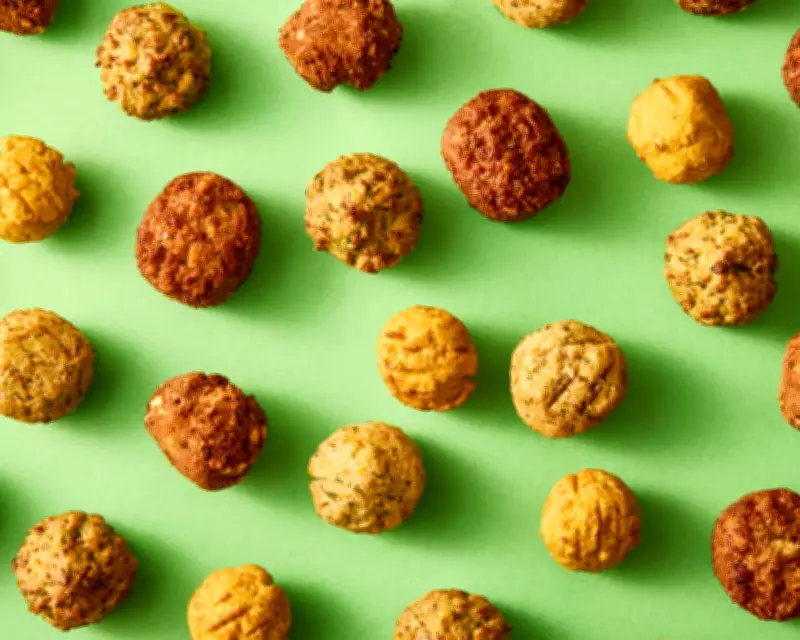
Why Supermarket Falafels Often Have Lengthy Ingredient Lists
In a recent taste test of supermarket falafels, it was surprisingly difficult to find traditional options with simple recipes. While many falafels were delicious, most featured long and complex ingredient lists, with only two standouts made solely from chickpeas, herbs, spices, and sodium bicarbonate.
Even some of the better-performing falafels had unnecessarily lengthy ingredients, despite being relatively minimally processed. At their worst, certain products included additives such as dehydrated potato flakes, pea protein, refined soya bean oil, and stabilisers. However, the best falafels were praised for their delicious flavours, rich in herbs and spices, and even described as containing "love."
The Top Picks from the Taste Test
Best Overall: Ramona’s Original falafel, priced at £3.95 for 500g at Ocado (79p per 100g). These frozen, golden brown oval pucks offer a traditional, nutty texture due to an authentic recipe process. They are moist and delicious but very salty, with 2.19% salt content. This product won for its value, minimal processing, and traditional approach.

Best Bargain: Vemondo Plant! Middle Eastern falafel, available for £1.35 for 200g at Lidl (68p per 100g), in-store only. These small, yellow round balls are moist and flavourful, featuring a mild-medium chilli heat and a complex spice blend including cumin, lemon, coriander, clove, and cinnamon, offering incredible value.
Other Notable Falafels
Gosh! Moroccan spiced falafel: Sold at Morrisons and Tesco for £2.30 for 171g (£1.35 per 100g). These small, date-sweet, paprika-red falafels are moist and distinctly flavoured with red pepper, coriander, and a lemony taste, though slightly sweet.
M&S fresh herb aromatic falafels: Priced at £4 for 160g at Ocado (£2.50 per 100g). These eight dark brown balls have bright, coriander-green interiors, with a piquant cayenne and garlicky heat and a savoury cumin undertone. They are perfectly textured—moist, fluffy, and with good substance—but taste a bit raw straight from the packet and benefit from reheating.
Biona organic falafel balls: Available for £4.10 for 200g at Ocado (£2.05 per 100g). These neat, yellow balls are nice raw but become incredibly moist and delicious when fried. Made with simple, wholefood ingredients like chickpeas, onion, hokkaido pumpkin, sunflower oil, herbs, and spices, this is a top splurge option.
Tesco green pea falafels: Priced at £3 for 152g at Tesco (£1.97 per 100g). These dark brown, round pucks have a green interior and a slightly bitter but herby flavour balanced with dates. Interestingly, they are made mostly from peas (44%) and chickpeas (15%), flavoured with parsley, coriander, and cumin.
Asda sweet potato falafels: Sold for £2.98 for 220g at Asda (£1.35 per 100g). These ten classic-shaped pucks have a vibrant orange colour, made primarily with sweet potato, chickpeas, and onion. They are soft, moist, and sweet with warm spices, but contain the stabiliser methyl cellulose.
Cauldron Moreish-ly Moroccan falafels: Available at Ocado and Tesco for £2.60 for 180g (£1.44 per 100g). These round brown pucks are gooey and spiced, slightly gummy but enjoyable and moist, with sweet, piquant flavours from spices like cinnamon, coriander, and ginger. The ingredients list is long but minimally processed, aside from sulphured apricots.
Waitrose Plant Living hand-shaped Moroccan-style falafels: Priced at £3 for 200g at Waitrose (£1.50 per 100g). These eight large, dark, irregular-shaped balls have a prominent sweet flavour from onion, apricots, and raisins, but the flavours compete rather than harmonise. The long ingredients list includes pea protein and refined soya bean oil.
Co-op red pepper falafel: Sold for £1.90 for 74g at Co-op (£2.57 per 100g), in-store only. This snack pack includes a yoghurt and mint dip, explaining the higher price. Despite a complex vegetal flavour and peppery kick, the falafels were poor with a floury texture; the dip was not commented on.

This taste test highlights the variability in supermarket falafels, with some products prioritising simplicity and tradition, while others rely on extensive ingredient lists for texture and preservation. For more insights, readers can explore related topics such as the best tinned and jarred chickpeas or supermarket curry kits.