The debate over participatory games continues as readers weigh in on Emily Watkins' provocative article, "The hill I will die on: Games are the opposite of fun, and I'd ban them for anyone over 12." While some agree with her sentiment, others passionately defend games as essential tools for social bonding and enjoyment.
Leisure and the Art of Doing Nothing
Janet Knowlson from Perth strongly echoes Watkins' views, questioning the relentless urge to engage in organized activities. She invokes WH Davies' poem "Leisure," which begins, "What is this life if, full of care, / We have no time to stand and stare?" Knowlson laments that her local park, a peaceful green space with a duck pond where she walks her dog, is overrun on Sunday mornings by parkrun participants. "Help ma boab, whatever next?" she exclaims, criticizing the need for organized events with stewards encouraging participants who "follow each other like lemmings." She concludes with a nod to Anthony Newley's song "Stop the World – I Want to Get Off."
The Case for Modern Tabletop Games
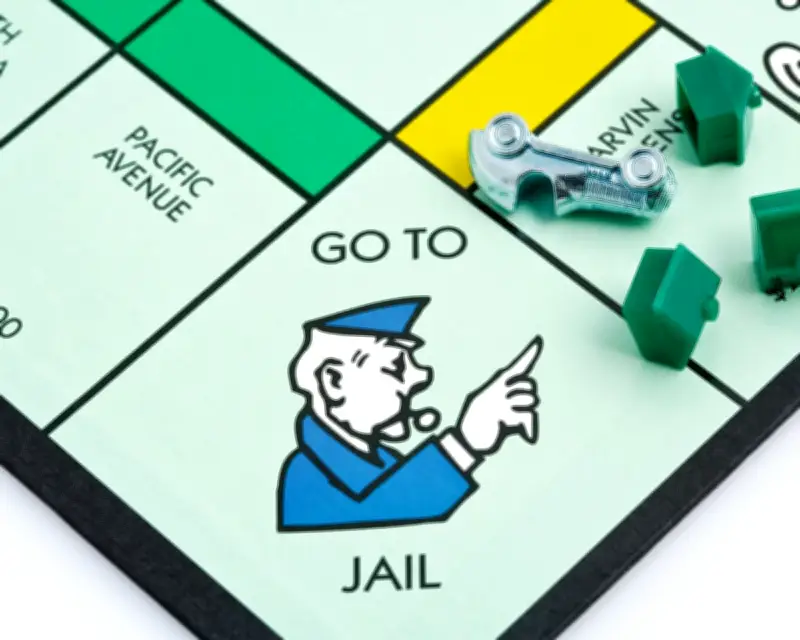
In contrast, Peter Hazlewood from Calne, Wiltshire, argues that those who hate games have likely only experienced the worst kinds: interminable Monopoly games at Christmas with wrong rules, Trivial Pursuit with know-it-all family members, and Cards Against Humanity, which he calls "a race to the bottom of rudeness and impropriety." He advocates for modern, simple tabletop games as "the ultimate ice-breaker" in today's digital age. "No one needs to feel inferior or superior," he says, recommending games like Flip 7, Just One, or Wavelength as entertaining and accessible options for spending quality time with friends and family.

Table Tennis: A Sport for All Ages and Genders
Martin Macarthur from Chertsey, Surrey, responds specifically to the use of table tennis in Watkins' article. Despite not being a fitness enthusiast, Macarthur has played table tennis his whole life and now plays several times a week at a top club where he considers himself average. He highlights that table tennis is one of the few sports where men and women compete on equal footing, and it's also inclusive across age groups. "I am often beaten by players as young as 10 who are likely to go on to international standard," he notes. Macarthur has made 100 new friends at his club, calling the sport "exercise which doesn't feel like exercise" because it's fun and social. His advice: "Don't give up, people. Find the thing you enjoy and it will keep you so very well."
Board Games as a Pathway to Friendship
James Stanier from Helsinki, Finland, shares a personal story of moving to a new country 15 years ago. Despite working, studying, and socializing, he found that connecting with people felt effortless only after being introduced to board games as an adult. "That first game wasn't the point," he reflects. "It broke down barriers, allowed us to relax, and to enjoy something that one of us sitting at that table was genuinely passionate about." The acquaintances soon became friends, and they continue to play games. Stanier emphasizes that board games don't replace conversation but create conditions for it, providing common ground for strangers, especially those who find small talk difficult or are building a life far from home. He acknowledges that games aren't for everyone but argues that portraying them as the opposite of genuine human connection ignores the experiences of many who have found exactly the opposite.
A Dissenting Voice from the US
Elizabeth Barbour from Roanoke, Virginia, agrees with Watkins, stating she "pales at the idea of games" because she is not competitive, except perhaps intellectually or in the sport of shared dreams, thoughts, sentiments, and laughter. For her, sitting at a table with others is about learning more about their lives and experiences, not engaging in something "artificial and trivial." She values the opportunity to better contextualize and appreciate her own life through deep conversation.
The letters highlight a spectrum of opinions on games, from outright rejection to enthusiastic endorsement, reflecting the diverse ways people find connection and enjoyment in social activities.