Raw and 'Brewed' Milk Demand Surges in UK Market
The sale of raw milk remains tightly controlled across the United Kingdom, permitted only through direct sales from registered producers to consumers. Despite regulatory restrictions and ongoing safety concerns, demand for unpasteurised dairy products is experiencing significant growth, particularly among younger demographics seeking alternatives to conventional processed foods.
Safety Concerns Versus Natural Appeal
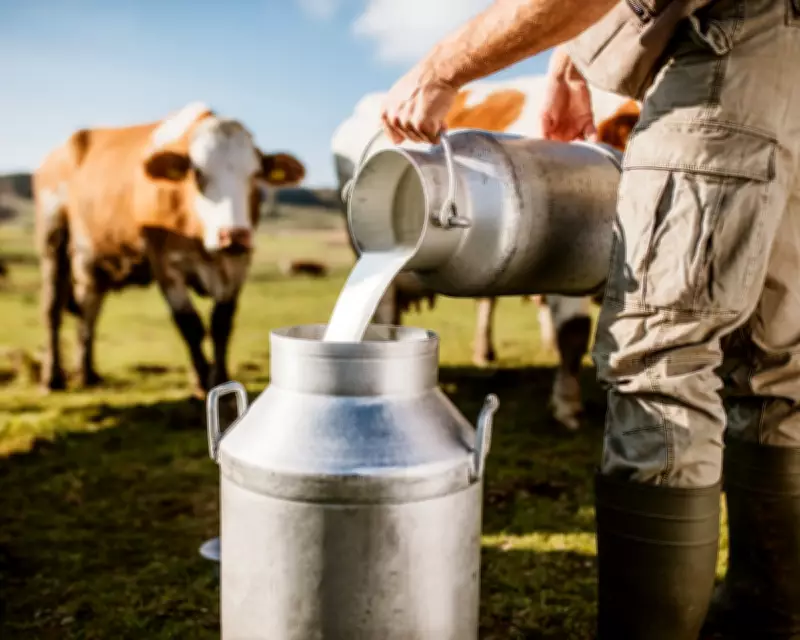
Raw milk, which comes directly from cows, sheep, or goats without undergoing pasteurisation, has long been controversial. The Food Standards Agency consistently warns that unpasteurised milk can carry harmful bacteria, posing particular risks to pregnant women, young children, and individuals with compromised immune systems. The pasteurisation process, which involves heating liquids to eliminate pathogens, is standard practice for ensuring dairy safety.
Nevertheless, raw milk advocates argue it represents a more natural, less processed option. This perspective has gained traction within various consumer movements focused on natural living and reduced food processing. In the United States, raw milk has maintained both popularity and controversy for years, often intertwined with broader discussions about food sovereignty and government regulation.

Innovative Alternatives Emerge
Responding to growing consumer interest, the Modern Milkman delivery service has introduced what it terms "brewed milk" this month. Sourced from Mossgiel Organic Dairy in Ayrshire, this product represents a creative response to UK regulations that strictly limit raw milk distribution. Priced at £2.80 per one-litre glass bottle, the brewed milk undergoes a lower-temperature pasteurisation process heated to 68°C for five minutes.
Bryce Cunningham, managing director of Mossgiel Organic Dairy, explained the company's approach: "People are increasingly seeking flavour, transparency, and products that feel closer to their agricultural origins. Since we cannot widely distribute fully raw milk under current UK regulations, brewed milk serves as our response to consumer curiosity. It produces excellent coffee and creates remarkably rich porridge."
Jenny Thomason, UK head of commercial at Modern Milkman, noted consistent customer inquiries about raw milk options. "We're observing sustained demand from consumers asking about raw milk, alongside growing curiosity about food origins and processing levels. Given the strict regulatory environment for raw milk in the UK, we sought the closest possible alternative that still meets rigorous safety standards."
Regulatory Framework and Market Growth
Current UK regulations permit raw milk sales only through direct consumer transactions with registered producers, typically occurring at farms, farmers' markets, or via delivery services. Scotland maintains a complete ban on raw milk sales. Registered producers must adhere to strict hygiene protocols, undergo regular inspections and testing, and provide clear health warnings on products.
Despite these restrictions, farmers report steadily increasing raw milk sales. Fen Farm Dairy in Suffolk has documented a substantial 32% year-on-year increase in raw milk sales. Johnny Crickmore from Fen Farm noted, "Raw milk has become our most popular online product by a significant margin, with similar performance in our two local farm shops."
Crickmore attributes this growth to "the expanding health and fitness trend observed across the UK following the pandemic period." He elaborated, "Younger consumers are increasingly substituting pub visits with gym sessions, and they want their refrigerator contents to align with their lifestyle choices. This shift also reflects broader movement away from ultra-processed foods. Raw milk exists in its natural state, coming directly from the cow while retaining nutritional benefits."
Environmental and Flavor Considerations
Mossgiel's brewed milk production method claims environmental advantages alongside flavor preservation. The company states their lower-temperature pasteurisation process consumes approximately 90% less energy than conventional methods while maintaining safety standards. The resulting product allegedly retains more natural flavor characteristics than traditionally pasteurised milk.

This innovation represents how dairy producers and retailers are adapting to evolving consumer preferences while navigating regulatory requirements. The growing interest in raw and minimally processed dairy products reflects broader trends in food consumption, where transparency, natural ingredients, and reduced processing are becoming increasingly important purchasing considerations for UK consumers across multiple demographic groups.