The Enduring Appeal of Pesto: A Culinary Journey
Pesto represents one of the most versatile and beloved sauces in Italian cuisine, with applications ranging from pasta dishes to soups, pizzas, and even tarts. The classic combination of basil, pine nuts, pecorino cheese, garlic, and olive oil has captured the hearts of food enthusiasts worldwide, yet the true beauty of pesto lies in its adaptability to countless variations and interpretations.
The Traditional Foundation: Pesto alla Genovese
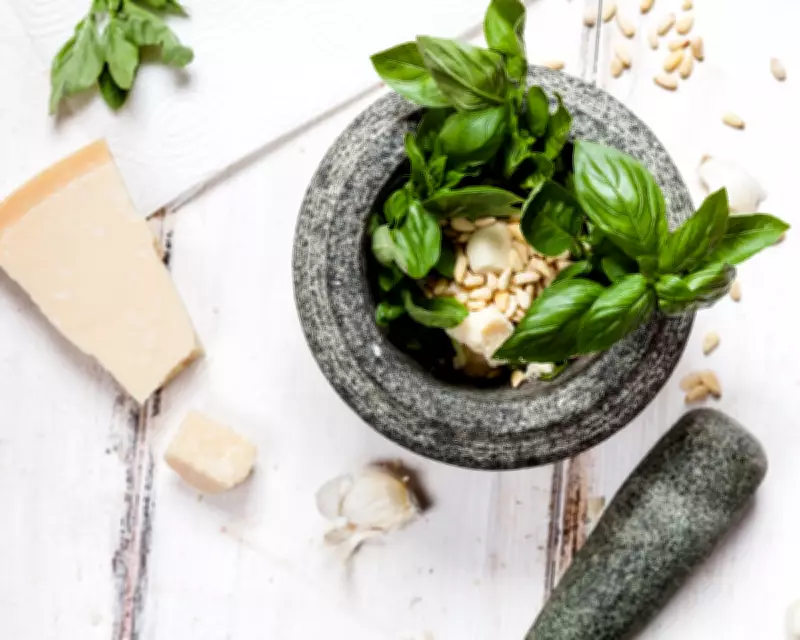
The word "pesto" originates from the Italian verb "pestare," meaning to pound or crush, reflecting the traditional method of preparation using a mortar and pestle. This technique developed in Genoa, within Italy's Liguria region, giving birth to what we now know as pesto alla Genovese. The harmonious blend of fresh basil, pine nuts, aged pecorino cheese, garlic, and high-quality olive oil creates a sauce so distinctive that it has achieved single-name celebrity status in the culinary world, much like famous musicians known by single names.
Many purists maintain that only the traditional Genovese version deserves the pesto name, arguing that other variations represent culinary impostors. However, this perspective overlooks the sauce's inherent flexibility and the creative possibilities that have emerged through centuries of culinary evolution.

Modern Interpretations and Creative Variations
Contemporary chefs and home cooks have expanded the pesto concept far beyond its traditional boundaries. The fundamental principle remains simple: combine leafy herbs, nuts, cheese, and oil in whatever proportions and varieties suit your taste and available ingredients. This approach has led to numerous delicious variations that maintain the spirit of pesto while exploring new flavor combinations.
Notable modern interpretations include almond, basil, and tomato pesto alla trapanese, which offers a softer texture than its Ligurian cousin and works beautifully with various pasta shapes or as a sandwich spread. Wild garlic pesto variations, popularized by chefs like Nigel Slater, provide a seasonal alternative that pairs wonderfully with spring vegetables or melted mozzarella on toast.
For those seeking more assertive flavors, sage and pistachio pesto delivers a particularly punchy profile that can be tempered with ricotta cheese. This variation excels when stirred through boiled potatoes and beans, spooned over pumpkin soup, or tossed with pasta, where the heat releases its aromatic qualities. Some chefs even incorporate minced green chili and citrus zest for additional complexity.
Practical Considerations and Preparation Tips
The accessibility of pesto preparation contributes significantly to its enduring popularity. Unlike many sauces requiring precise measurements and techniques, pesto welcomes improvisation and adaptation based on available ingredients. Whether using traditional mortar and pestle methods or modern immersion blenders, the key lies in achieving the desired texture while preserving the fresh flavors of the components.
One practical lesson from experience involves equipment selection: when using immersion blenders, deep bowls prove far more effective than shallow alternatives, preventing the characteristic "leaf blower" effect that can distribute oily green fragments across kitchen surfaces. Regardless of preparation method, the resulting sauce consistently delivers remarkable flavor with minimal effort.
Culinary Applications Beyond Pasta
While pesto naturally complements pasta dishes, its applications extend much further. The sauce enhances soups beautifully, as demonstrated by Felicity Cloake's soupe au pistou, where it adds depth and herbal complexity. On pizza, pesto serves as an excellent alternative to traditional tomato sauce, while baked potatoes benefit from its rich, savory qualities.
Creative cooks have discovered pesto's potential in unexpected contexts, including as a tart filling component, a sandwich spread, or a finishing touch for vegetable stews. The sauce's versatility ensures it remains relevant across seasons and culinary traditions, adapting to whatever ingredients prove most abundant and appealing.

The Cultural Significance of Adaptable Cuisine
Pesto's evolution from regional specialty to global phenomenon reflects broader trends in culinary adaptation and innovation. As ingredients become more accessible worldwide, traditional recipes naturally transform to incorporate local products and preferences. This process enriches culinary traditions rather than diluting them, creating new classics while honoring established foundations.
The ongoing popularity of pesto variations demonstrates how simple, adaptable concepts often prove most enduring in the culinary world. By maintaining core principles while embracing creative interpretation, pesto continues to inspire cooks across skill levels and cultural backgrounds, ensuring its place in kitchens for generations to come.