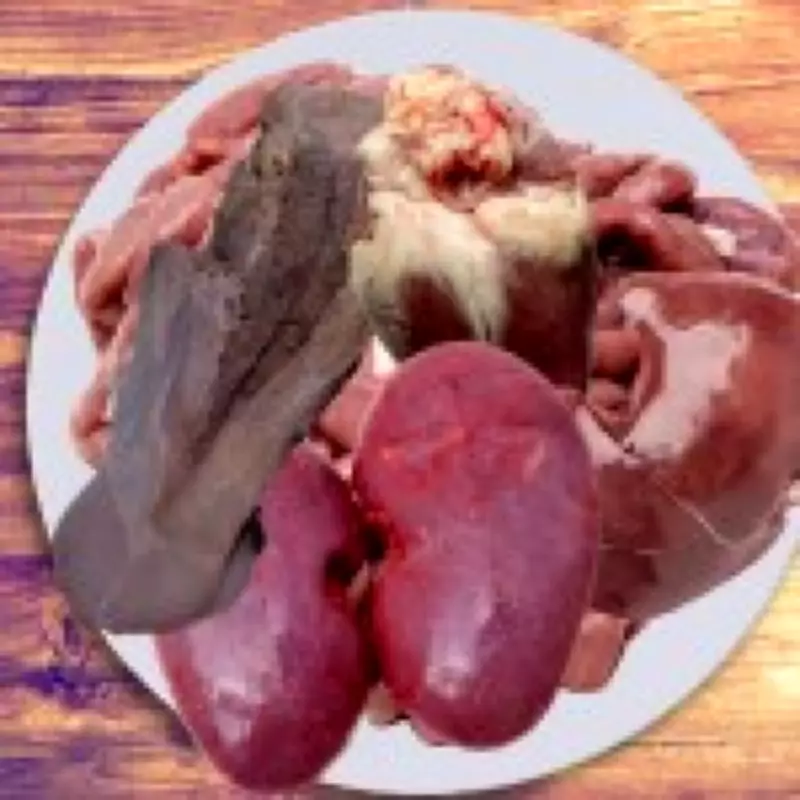
Offal Sales Experience Dramatic Surge as Nose-to-Tail Philosophy Returns
From probiotic beverages to Dubai-inspired chocolates, the United Kingdom has never been shy about embracing new culinary trends. Consumers will queue for hours or set pre-dawn alarms to secure the latest gastronomic sensation. However, the current trend dominating supermarket shelves and social media feeds is neither brightly colored drinks nor aesthetically perfect desserts. Instead, shoppers are enthusiastically filling their trolleys with offal—the internal organs and entrails of animals—in a revival that is both remarkably old-school and surprisingly contemporary.
Waitrose Data Confirms Significant Increase in Offal Popularity
New data released by Waitrose provides clear evidence that 'nose-to-tail' cooking is experiencing a substantial resurgence. This culinary philosophy encourages chefs and home cooks to utilize every part of an animal, minimizing waste. Libby Nicolls, a meat counter buyer at the retailer, emphasized to Metro that "forgotten cuts are officially back on the menu." This raises the intriguing possibility of mainstream chains like Pizza Express or Wagamama introducing specialty dishes featuring items such as lamb liver in the near future.
Compared to the same period last year, consumer interest in offal products has skyrocketed. Insights from Waitrose.com track this trend with precision. For instance, search interest for 'lamb liver' has increased by 54%, 'oxtail' by 76%, and 'lamb neck' by 28%. This heightened curiosity has directly translated into robust sales figures. The supermarket reports the following products have seen the most significant sales increases:

- Lamb liver: +33%
- Lamb kidneys: +25%
- Lamb hearts: +91%
- Beef rump heart steak: +88%
Key Drivers Behind the Offal Renaissance
According to Libby Nicolls, several factors are contributing to the growing popularity of offal. Primarily, these cuts are often considered less desirable, making them more affordable and accessible. The combination of post-Brexit supply chain issues and rising costs within the farming industry has led to significant increases in meat prices across the UK. Data from 2025 revealed a 15.9% overall increase, driven largely by a 32.3% surge in beef prices.
Given that offal is an exceptionally rich source of high-quality protein, it is understandable why many health-conscious young people are opting for these more economical cuts. Libby also argues that these products may hold "the secret to achieving that incredible, deep, restaurant-quality flavour at home." Unlike standard muscle meat, each animal organ offers a distinct flavor profile. Liver possesses a rich, earthy, and slightly sweet flavor with a creamy, tender texture when cooked correctly. Kidneys are described as having a more 'gamey undertone' with a lightly metallic profile.
The Sustainability and Tradition of Nose-to-Tail Cooking
Incorporating offal into weekly meal planning represents a more sustainable approach to cooking, though vegans or individuals with sensitive stomachs may disagree. The interest in entrails is partly fueled by a revival of 'grandma-style' cooking—a thrifty and intuitive culinary art that uses humble ingredients to create large, hearty family meals without straining the budget. This method embraces a 'from scratch' mindset, repurposing food that might otherwise go to waste.
Championed by chefs at London's legacy restaurant St John, this preparation technique harks back to classic methods passed down through generations. Dishes like oxtail stew, chitterlings (made from pig small intestines), and pork offal faggots utilize animal parts that are typically forgotten or discarded. Proponents suggest that adopting this approach demonstrates a certain respect for the animal.
The 'nose-to-tail' philosophy even receives endorsement from celebrated chef Stanley Tucci, who recently shared a video of himself preparing a dish of rabbit liver and kidney on buttered toast. While offal might not appeal to everyone, the appetite for these traditional ingredients is undoubtedly alive and well. The central question for UK consumers now is whether they will be adding lamb liver to their next weekly shop.