Michelin Guide's Great Lakes Expansion Omits St. Paul, Igniting Local Concerns
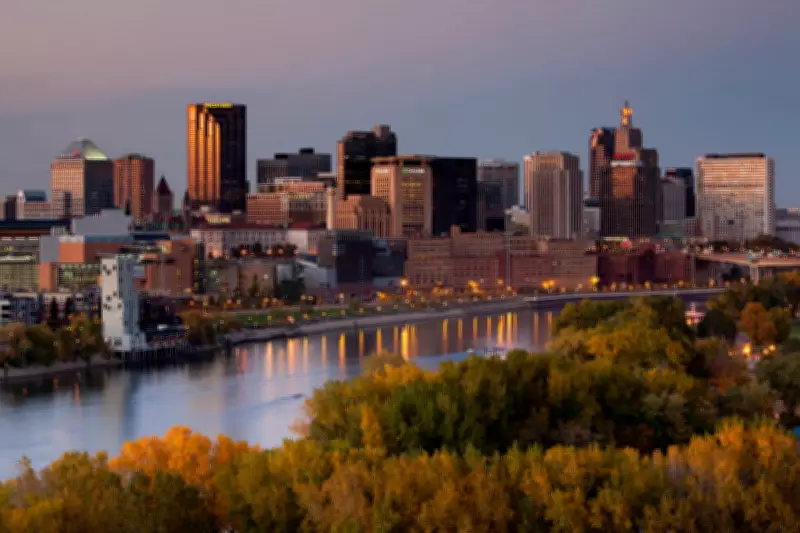
When Michelin announced its expansion into the Great Lakes region of the United States, including Minneapolis, one notable city was conspicuously absent: St. Paul, Minnesota's state capital. Despite being just 11 miles apart, St. Paul was left off the map, sparking fears among food critics and locals that the city and smaller, immigrant-run restaurants across the Twin Cities could be marginalized.
The omission has become a point of contention as the region continues to navigate the economic and social fallout from recent immigration raids, which led to protests and tragic outcomes. Critics argue that the exclusion reflects broader issues of funding and representation in the culinary world.
Funding Disparity Drives Exclusion
The reason for St. Paul's absence is straightforward: Minneapolis secured its spot by paying for it. The city's Tourism Improvement District (TID) entered into a three-year contract worth $250,000 annually to bring Michelin inspectors to review its restaurants. In contrast, St. Paul did not make a similar investment.

Jaimee Lucke Hendrikson, CEO of Visit Saint Paul, the city's official convention and visitors bureau, did not directly address the exclusion when questioned. Instead, she emphasized the potential regional benefits of Minneapolis's partnership with Michelin, stating that increased awareness could help all local restaurants. She praised St. Paul's unique and diverse restaurant industry, expressing hope for future opportunities to highlight its culinary offerings.
Local Critics Voice Dismay and Concerns
The decision has prompted strong reactions from local chefs and food writers. Karyn Tomlinson, chef and owner of the acclaimed St. Paul restaurant Myriel, expressed disappointment, noting that outsiders often view Minneapolis and St. Paul as a pair, making the exclusion particularly stinging.
Dara Moskowitz Grumdahl, a restaurant critic for MplsStPaul Magazine, was shocked that neither St. Paul nor the state of Minnesota used tourism dollars to participate, unlike Minneapolis. She highlighted the significant costs involved in Michelin visits, including travel and accommodations for inspectors, which are typically covered by public funding.
Grumdahl also raised concerns about Michelin's traditional focus on upscale, service-intensive restaurants with tablecloths and elaborate presentations. This emphasis, she argued, risks overlooking the diverse food scene that defines Minnesota, where 24% of residents are people of color and over half a million immigrants reside.
Diversity at Risk in Michelin's Scope
Kirstie Kimball, an independent Minneapolis-based restaurant critic, echoed these worries, pointing out that many of Minnesota's standout dining experiences fall outside Michelin's typical scope. She cited examples like Hmong Village in St. Paul, a vibrant cultural marketplace, and Ethiopian restaurants located on the outskirts of town.
Kimball noted that Michelin rarely awards its Bib Gourmand recognition to African restaurants, despite Somali and Ethiopian immigrants being prominent groups in the area. She fears that tourists and locals might rely solely on the guide, missing out on diverse cuisines that need support, especially in the wake of immigration enforcement actions that have led to layoffs and closures among immigrant-owned establishments.
She urged diners to seek out a variety of cuisines and support restaurants in need, such as taquerias on Lake Street and Central, as well as Ethiopian and Somali eateries. Tomlinson added a call for collaboration, hoping that the situation could catalyze stronger ties between Minneapolis and St. Paul, emphasizing that great food transcends city limits and award systems.
As the Michelin Guide prepares to debut in Minneapolis, the exclusion of St. Paul serves as a reminder of the economic and cultural challenges facing smaller cities and diverse restaurant communities in an increasingly competitive culinary landscape.