Meal-Breakers: When Food Preferences Define Romantic Compatibility
Can a relationship survive fundamental food incompatibility? This question lies at the heart of what food writers and relationship experts are calling "meal-breakers" – those specific culinary preferences that can determine whether a budding romance becomes nourishment for the soul or reaches its boiling point.
The Personal Culinary Deal-Breakers
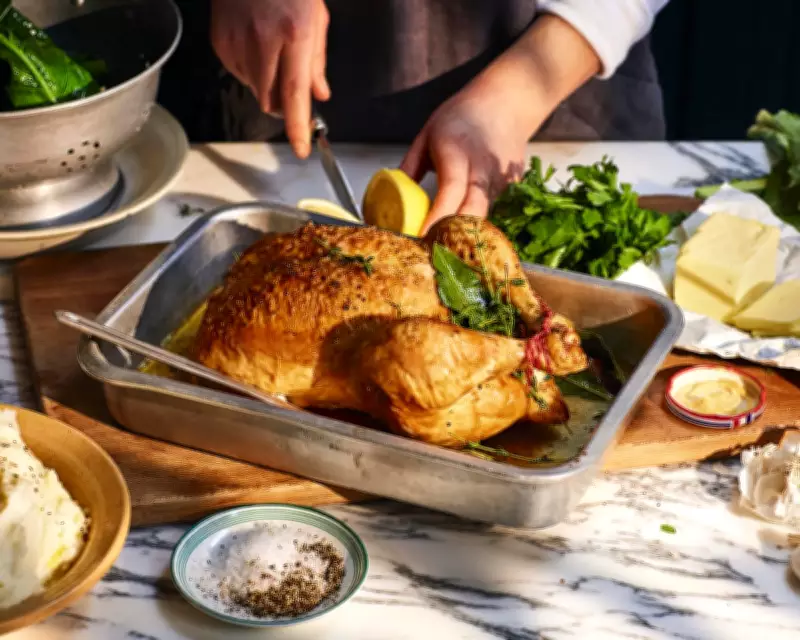
For author Karen Barnes, the "gentle, generous ritual" of roast chicken represents a non-negotiable requirement in a partner. For others, it might be morning tea rituals, lemon-infused dishes, or specific pizza toppings that define their culinary boundaries. These meal-breakers represent more than mere taste preferences – they embody values, traditions, and personal identity markers that individuals seek to share with potential life partners.
Food writer Ben Benton, host of the popular Go To Food Podcast, observes that food carries significant tribal aspects similar to music and sports. "We're constantly reading cues for how a prospective partner aligns with us and our values," Benton explains. "While not everyone follows sports or cares deeply for music, food serves as a reliable social cue because everyone eats. There's substantial politics to it too: how you shop, how you consume, how you view the world."

Beyond Dietary Restrictions: The Values Behind Food Choices
Comedian Stevie Martin, who identifies as vegetarian with dairy allergies, emphasizes that dietary choices themselves aren't necessarily deal-breakers. "You can be a racist, sexist pig and be allergic to dairy. You can treat people poorly and be vegetarian," Martin argues. What matters more is how potential partners respond to and accommodate these dietary differences.
Martin recalls an ex-boyfriend who insisted on steak restaurants during their Paris trip, leaving her with only bread to eat. "If they have a problem with how I eat, that tells me they're narrow-minded and uncompromising," she states. Her current marriage demonstrates successful navigation of dietary differences through mutual adaptation and discovery of shared culinary territory.
Finding Common Ground in the Culinary Venn Diagram
Benton describes successful culinary partnerships as existing within "the central part of your culinary Venn diagram. This needs to be large enough that you can go Monday to Friday eating together." He notes that while partners might occasionally cook from their individual preference zones, a substantial shared culinary middle ground proves essential for long-term compatibility.
Recipe developer Anna Jones suggests approaching food differences conceptually rather than literally. "Think about favourites as more conceptual," Jones advises. "For example, spaghetti and meatballs can become spaghetti with spinach polpette." This flexible approach allows couples to maintain the essence of beloved dishes while accommodating different dietary needs or preferences.
The Deeper Significance of Food Preferences
Tamar Adler, author of multiple cookbooks including "Feast on Your Life," argues that food dislikes often reflect experience rather than personality. "We're probably right to judge someone for being rude to a waiter or serving themselves before others," Adler notes. "But if they don't like fennel or anchovies, you might be doing yourself and them an injustice if you assume that makes them a barbarian."
Adler identifies curiosity as the true culinary deal-breaker. On her first date with her now-husband, their shared willingness to bike across town for hand-pulled noodles revealed more about their compatibility than the noodles themselves. "A lack of curiosity – that's the dealbreaker," she concludes.
Comfort Foods and Childhood Dishes: The Emotional Core
Benton emphasizes that alignment around comfort foods proves particularly crucial in relationships. "You're tapping into culinary vulnerabilities," he explains. "We get strong reactions around takeaway orders on the podcast because that's what we have when we're tired, sad, or hungover, and we don't want to be judged."
Childhood dishes carry even greater significance, serving as cornerstones of personal identity and cultural heritage. Rejecting these foods can feel like rejecting fundamental aspects of a partner's background and upbringing.

The Ultimate Intimacy of Shared Meals
As anthropologist Kaori O'Connor once observed, "The only thing more intimate than eating together is sex." Food possesses the unique capacity to render individuals exposed, deeply loved, and emotionally elated. Successful relationships often require culinary tessellation – finding ways to mesh different food preferences into a harmonious shared experience.
Ultimately, the need to know and be known by a partner manifests through various channels, but food consistently offers the quickest and most intimate entry point. While perfect culinary alignment remains rare, mutual respect, curiosity, and willingness to explore each other's food worlds often determines whether relationships flourish or falter over shared meals and beyond.