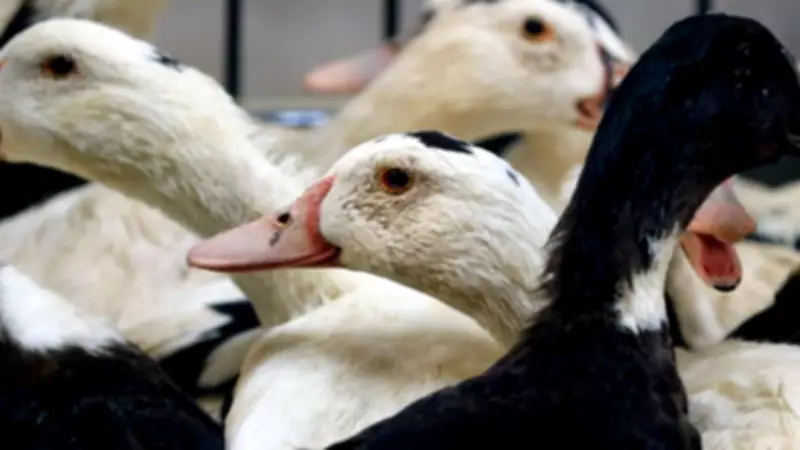
Lab-Grown Foie Gras and Chicken Undergo Rigorous Safety Testing in the UK
The Food Standards Agency (FSA) has announced that lab-grown foie gras and chicken are currently undergoing scientific safety assessments, potentially paving the way for their introduction to British restaurants and dinner tables within the next five years. This development marks the closest any cultivated meat product has come to approval for human consumption in the United Kingdom, according to a recent update from the regulator on innovative food technologies.
Expanding the Horizon of Novel Foods
In addition to lab-grown meats, the FSA highlighted that other groundbreaking products, such as edible insects, 3D-printed chocolate, vitamin-enhanced vegetables, and lab-brewed cheese, could become available to the public over the next 15 years. Dr. Thomas Vincent, deputy director of innovation at the FSA, emphasized the rapid pace of change in the food system, stating, "The science enabling these innovations is exciting and our food system is changing at a rapid pace." He assured consumers that all new foods must meet stringent safety standards before reaching UK shelves, ensuring they are safe and accurately labeled.
Government Support and Industry Challenges
Last year, the FSA received a government grant of £1.6 million to develop a streamlined system for evaluating novel foods, addressing industry concerns about slow approval processes hindering innovation. Despite progress, particularly with processed meat products like mince, producers face hurdles in replicating whole cuts such as steaks and filets, as well as overcoming consumer scepticism and scaling up production. Dr. Sarah Najera Espinosa from the London School of Hygiene & Tropical Medicine noted that these technologies could reduce health and environmental pressures, create jobs, and enhance food resilience, but warned of potential trade-offs, including high costs and impacts on traditional farming.

Understanding Cultivated Meat and Other Innovations
Cultivated meat, a term preferred over "lab-grown," is produced by extracting a small sample of cells from plants or animals and nurturing them in a lab to multiply, mimicking natural growth processes. Meanwhile, edible insects are gradually entering the food chain, with four species already available in the UK under temporary post-Brexit arrangements while undergoing safety assessments. The FSA is conducting tests for allergens, carcinogens, toxicity, and effects of ultra-processing to ensure public safety.
Future Prospects and Consumer Communication
Looking ahead, technologies like using plants as bio-factories for specific ingredients and gas fermentation to convert carbon dioxide into edible proteins are on the horizon. The industry aims to maintain public trust by providing regular updates and clear labeling, learning from past controversies such as the backlash against genetically modified foods in Europe. Professor Jonathan Jones from The Sainsbury Laboratory stressed, "The main lesson from the 90s is that where innovation is deployed about which consumers might have concerns, clear labelling and clear communication are required."