Vegetarian Chefs Unlock Secrets to Replacing Pork's Signature Umami
For those who have recently given up pork but miss its distinctive savory punch, culinary experts reveal that achieving that deep umami flavor and satisfying texture in meat-free dishes is entirely possible with clever ingredient substitutions and techniques.
The Umami Challenge: Recreating Pork's Savory Depth
When James, a recent pork abstainer, asked how to compensate for the missing umami in dishes like carbonara and chorizo recipes, professional chefs responded with innovative solutions. The quest begins with understanding that pork's flavor profile combines fattiness, saltiness, and a distinctive savory quality that can be replicated through various plant-based ingredients.
Joe Woodhouse, author of "Weeknight Vegetarian," immediately points to white beans as a surprising alternative. "Whether cooked from dried with onion, garlic, sage and thyme in the broth, or simply using canned beans fried with garlic and sage, the aroma that fills your kitchen remarkably resembles sausagemeat," Woodhouse explains. "The taste evokes that memory too, particularly for someone like myself who hasn't consumed pork in three decades."

Flavor Powerhouses: From Soy Sauce to Mushroom Powder
For that essential umami foundation, Woodhouse recommends starting with soy sauce or specialized alternatives like Slow Sauce's oat shoyu. Meanwhile, chef Mike Davies, director of London's Camberwell Arms, swears by Totole's Chinese mushroom seasoning powder as his secret weapon.
"This ingredient is incredibly effective at replacing the richness and fattiness that comes from cooking with meat, especially pork," Davies reveals. "Honestly, it functions like a culinary cheat code for vegetarian cooking."
The texture challenge presents a more complex puzzle, particularly for chefs who generally avoid meat substitutes. Both Woodhouse and Davies express enthusiasm for tofu as a versatile solution. Woodhouse frequently uses meat rubs like hickory steak or barbecue seasoning with firm tofu that's been crumbled and fried at high heat until achieving a satisfying crispness.
Mastering Meat-Free Carbonara
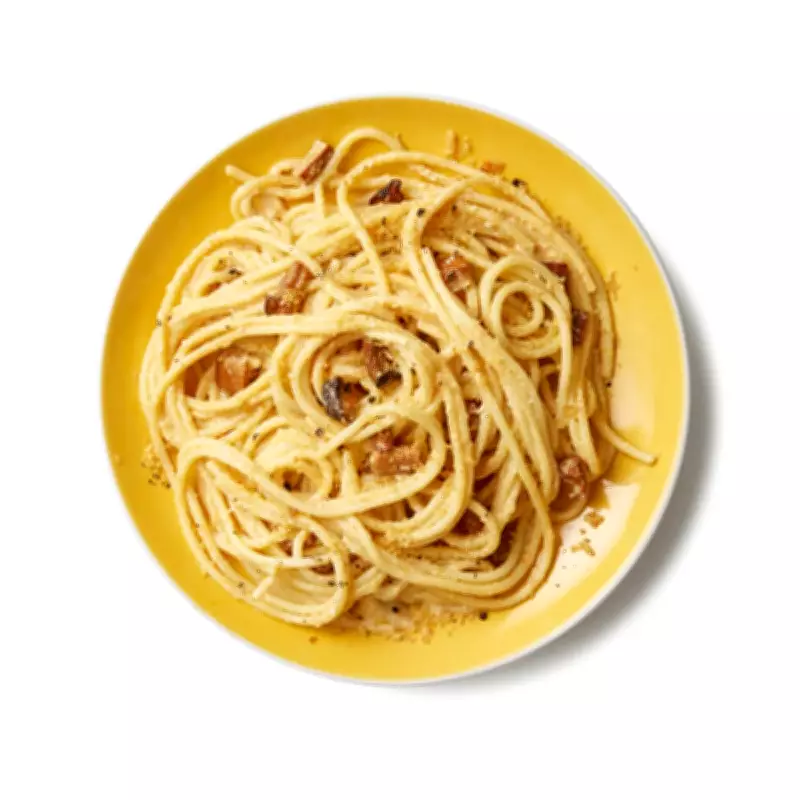
Traditional carbonara's magic lies in the harmonious combination of pasta, egg, guanciale or pancetta, and cheese. Removing the pork element requires thoughtful compensation. Guardian food writer Felicity Cloake has perfected a meat-free spaghetti carbonara that cleverly employs king oyster mushrooms as the star ingredient.
Cloake enhances her creation with soy sauce, garlic (acknowledging this departure from some traditional recipes), and a pinch of smoked paprika to "help maintain the illusion" of the original dish. Her crucial advice: "Guanciale is inherently fatty, while mushrooms are not, so ensure they absorb ample olive oil to achieve that essential richness."
Woodhouse offers another carbonara-inspired alternative from Rachel Roddy's "The A-Z of Pasta": linguine with courgettes, egg and parmesan. "You maintain the classic egg and cheese combination, then incorporate courgette batons folded into the pasta," he describes. This base can be elevated with Woodhouse's white bean preparation with sage and garlic, finished with fried breadcrumbs for added texture.
Recreating Chorizo's Distinctive Character
For chorizo dishes, Woodhouse emphasizes that the signature flavor originates from pimentón (smoked paprika). He recommends stocking multiple varieties of dried smoked peppers and chilies. "These ingredients bring both flavor and color," Woodhouse advises. "Using two or three different types creates layered flavors that evoke that distinctive sausage quality."
When working with textured vegetable protein (TVP) as a meat substitute, Woodhouse cautions that generous spicing becomes essential. For tofu preparations, he suggests adding one or two tablespoons of tomato puree (cooked out properly), followed by a small amount of water. "For an extra luxurious texture," Woodhouse adds, "incorporate a cornflour slurry made from equal parts cornflour and cold water." The tomato puree contributes umami depth while the tofu provides the necessary texture.

Both chefs agree that the most successful meat-free cooking comes from building flavors through quality ingredients rather than relying heavily on ultra-processed substitutes. As Woodhouse concludes, "It's always preferable to discover what you're seeking through genuine flavor development rather than simply substituting with processed alternatives."
The consensus among culinary professionals is clear: with thoughtful ingredient selection and technique, the savory satisfaction of pork can be authentically recreated in vegetarian cooking, opening new possibilities for those exploring meat-free alternatives while craving familiar flavors.