Franco Manca Scales Back with 16 Restaurant Closures
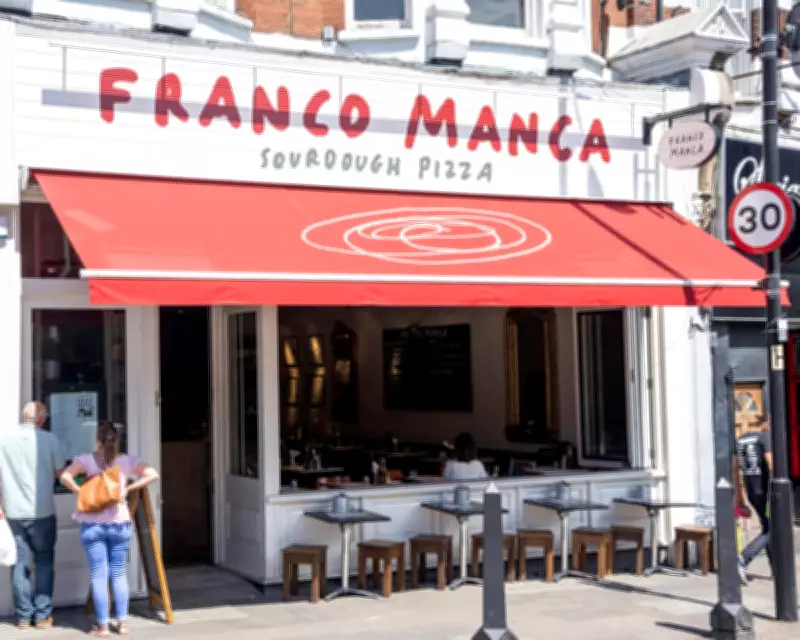
Franco Manca, the celebrated sourdough pizza chain that began as a single outlet in Brixton Market in 2008, is now facing a significant contraction. The company has announced plans to shutter 16 of its more than 70 restaurants through a company voluntary agreement (CVA), an insolvency process that puts approximately 225 jobs at risk. This move marks a stark reversal from its previous expansion ambitions, which once targeted over 125 potential locations nationwide.
The Rise and Challenges of a Pizza Pioneer
When Franco Manca first opened, it quickly became a sensation in London's food scene. Its competitively priced, slow-fermented sourdough pizzas, served in a sophisticated setting, offered a fresh alternative to dominant US chains like Pizza Hut and Domino's. Food blogger Gerry del Guercio of BiteTwice recalls the early days: "It was all the rage. It was just desperately cool, and everyone wanted to try." The Naples-originated style won over British diners, propelling the chain to national prominence.
However, the current climate presents formidable hurdles. Marcel Khan, CEO of parent company The Fulham Shore, attributes the closures to "external cost pressures" plaguing the hospitality sector, including increases in national insurance contributions, the living wage, and business rates. These factors have rendered several locations economically unviable.

Market Dynamics: Beyond Peak Pizza
Contrary to speculation about "peak pizza," demand for pizza in the UK continues to grow, with year-on-year expansion outpacing inflation, according to food service consultant Peter Backman. Sourdough pizza itself is not a passing trend; it accounts for roughly 20% of pizza sector sales. The issue lies in its mainstream adoption and intensified competition.
The pandemic fueled a sourdough craze on social media, with platforms like TikTok and Instagram flooded with home-baking videos. This trend has since migrated to supermarkets, which now account for about half of all pizza sales. Mintel data reveals that pizza constitutes 29% of new sourdough product launches from 2022 to 2025. Trish Caddy of Mintel notes that restaurant brands like Franco Manca are increasingly competing with supermarkets on both price and convenience.
Backman explains the pricing dynamic: "It's just more expensive because sourdough is seen as a higher-value product. It's got a consumer perception that it's better quality or more aspirational." With the cost of living crisis squeezing budgets, consumers are opting for homemade or supermarket alternatives over dining out.
Quality Concerns and Competitive Pressures
Del Guercio argues that Franco Manca's expansion diluted its quality while raising prices. Margherita pizzas, once priced at a modest £4.60, now approach £10. "There's no way the pizza I had last Saturday was anywhere near, not even in the same ballpark as the one that I had 15, 16 years ago," he says. "And that's what happens as you get bigger."
The UK pizza market is also evolving. Where Neapolitan-style pizzas were once dominant, thinner, crispier varieties are gaining traction. New independent pizzerias and rival chains like Rudy's and Pizza Pilgrims are capturing market share. Reuben Pullan of CGA observes that these competitors have "really accelerated their growth plans over the past couple of years," with Rudy's strong social media presence particularly resonating with consumers.
Operational Realities and Future Prospects
Experts emphasize that Franco Manca's troubles are not solely due to product quality or market saturation. Pullan notes, "We are seeing all operators feeling the squeeze. Franco Manca had a fairly large estate ... So if energy costs or purchasing costs for them have recently shot up, it might have tipped the balance for some sites being no longer profitable."
Backman concurs, stating, "It's more to do with operational costs rather than a falling demand." He suggests the CVA could be a strategic positive: "If they manage the CVA well – and most companies do, because they get rid of underperforming stores and the overhang of loss-making – that gives them a freedom that they haven't had for a few years."

Looking ahead, Backman remains optimistic: "I think Franco Manca has got a lot going for it. It's got a good name, it's got a product that's still in demand, and I would imagine that they'll carry on." The chain's ability to adapt to a transformed market—where sourdough is no longer a novelty but a mainstream option—will be crucial for its survival and future growth.