Rediscovering Forgotten Superfoods: Seven Nutrient-Rich Heroes
When we think of superfoods, trendy items like avocados, turmeric, and quinoa often come to mind. These foods have gained fame through savvy marketing, becoming dietary staples for many. However, the concept of a superfood is largely driven by trends, as seen with the recent resurgence of cottage cheese. Beyond these popular choices, numerous nutrient-rich foods have fallen out of favor, despite their impressive health benefits. Experts argue that a super diet, emphasizing diversity, is more crucial than any single food. Let's explore seven forgotten superfoods that deserve a comeback.
Peas: The Overlooked Pulse
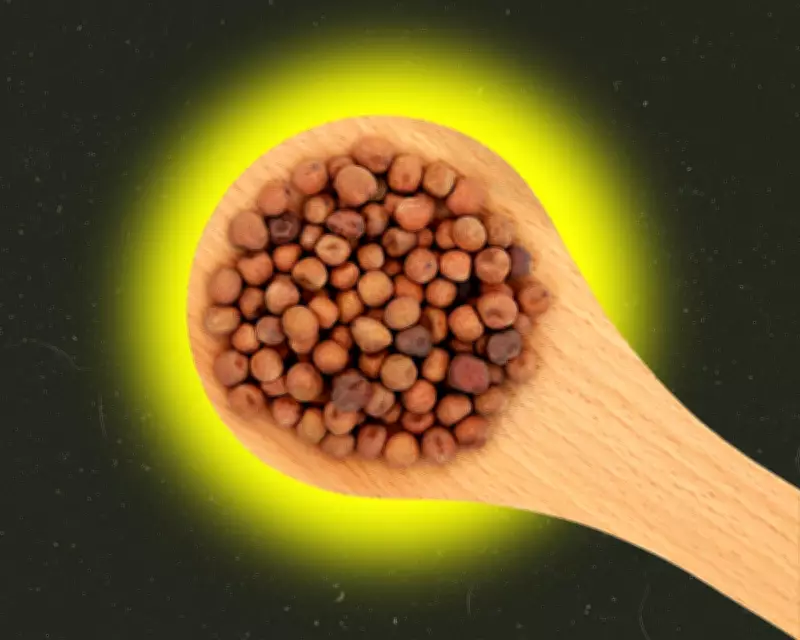
While beans often steal the spotlight, peas are criminally overlooked. Varieties like carlin and marrowfat peas, not the common garden types, offer similar benefits. Carlin peas are high in fibre and plant-based protein, making them a versatile and nutritious snack. Historically, peas were a staple for Neolithic farmers in the UK but became stigmatized as a food of poverty during industrialization. Today, they can be used creatively, such as marrowfat peas on toast, akin to avocado. Their rich history and nutritional value make them a hero ingredient waiting for recognition.
Prunes: The Underrated Fruit
Often dismissed as old-fashioned, prunes have a rich history, popular during Elizabeth I's reign and Victorian England. They are high in fibre, polyphenols, and sorbitol, which aids digestion. Prunes also provide essential vitamins and minerals like copper, potassium, and magnesium, with a low glycemic impact. Emerging research suggests they may help maintain bone density in postmenopausal women. Despite their reputation as a laxative, prunes can be added to porridge or desserts for a fibre boost, offering a sweet yet healthy alternative.

Blackcurrants: The Vitamin C Powerhouse
Blackcurrants are much higher in vitamin C than oranges, making them an excellent choice for immune support. During World War II, the UK government encouraged their use for cordial. Rich in anthocyanins and potassium, they outperform many imported berries in antioxidant content. However, their sour taste has led to a decline in popularity. Growing easily in the British climate, blackcurrants can be used in cordials or eaten whole for maximum fibre benefits, though juices lack this advantage.
Quark: The Protein-Rich Cheese
Quark, a soft cheese similar to cottage cheese, is popular in Germany but overlooked in the UK. It is higher in protein and lower in calories than cottage cheese, making it valuable for combating age-related muscle loss. With origins dating to 14th-century Europe, quark has struggled against more marketed dairy products. Versatile in both sweet and savoury dishes, from cheesecakes to moussakas, it offers a nutritious alternative to yoghurt and other cheeses.
Sprouts: The Concentrated Greens
Sprouts like alfalfa and broccoli are plants at their most nutrient-dense growth phase. Broccoli sprouts are rich in glucoraphanin, which converts to sulforaphane, aiding detoxification and reducing inflammation. Popular in the 70s and 80s during a vegan resurgence, sprouts have faced safety concerns due to risks of food-borne illnesses. Experts advise sourcing from reputable suppliers and cooking thoroughly, especially for vulnerable groups. When prepared safely, they can be a powerful addition to salads or toast.
Liver: Nature's Multivitamin
Once a staple in British cooking, liver is highly nutrient-dense, packed with protein, iron, B vitamins, and vitamin A. It remains popular globally and is particularly beneficial for addressing iron deficiency, common among menstruating women. However, moderation is key due to risks of vitamin A toxicity and gout. Dishes like chicken liver pâté or Lebanese sawdeh offer tasty ways to incorporate liver, but it should be avoided during pregnancy.

Emmer: The Ancient Grain
Emmer, an ancestor of durum wheat, is an ancient grain with roots in the Fertile Crescent. It is nutritionally fantastic, high in fibre and nutrients, as its seed coat remains intact. Not suited to conventional farming due to poor response to nitrogen fertiliser, emmer has remained niche. With a nutty flavor, it can substitute for rice, bulgur wheat, or couscous, adding diversity to diets. Historically, diets were more varied, and emmer represents a return to this nutritional richness.
In conclusion, these forgotten superfoods highlight the importance of dietary diversity. As experts note, a super diet relies on incorporating a range of nutrient-rich foods, not just trendy options. By rediscovering these heroes, we can enhance our health and reconnect with historical culinary traditions.