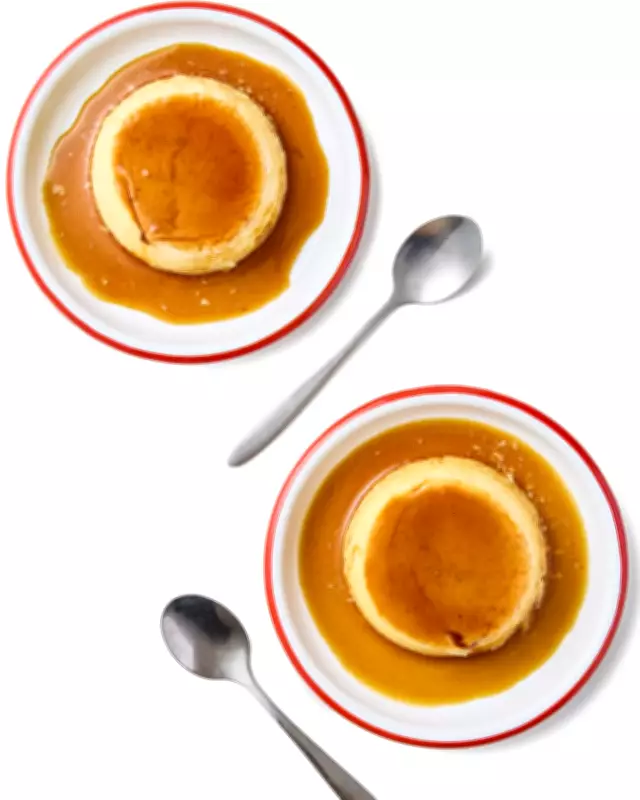
Felicity Cloake's Classic Crème Caramel Recipe: A Simple French Dessert
Crème caramel, the slightly retro French dessert of gently set baked custard in a caramel sauce, deserves far more attention than it currently receives. It's surprisingly simple to prepare in just a few straightforward steps, yet it offers a delightful visual and culinary experience. The soft, jiggling custard and glossy caramel top create an elegant presentation that's perfect for any occasion.
Why Crème Caramel Deserves a Comeback
This classic dessert has become increasingly rare on restaurant menus, which is unfortunate given its timeless appeal. The combination of creamy custard and rich caramel creates a perfect balance of textures and flavors that never goes out of style. With this reliable recipe, you can easily recreate this French favorite at home.
Preparation Details
Preparation Time: 15 minutes
Cooking Time: 50 minutes
Cooling Time: 4 hours or more
Yield: 6 servings

Ingredients Required
For the Custard:
- Soft butter or neutral oil (such as sunflower, vegetable, or groundnut) for greasing
- 500ml whole milk (see preparation notes)
- 1 vanilla pod or 1 teaspoon vanilla extract
- 2 whole eggs
- 100g caster sugar
- 4 egg yolks
For the Caramel:
- 60g caster sugar
- 40g soft dark brown sugar (see preparation notes)
- 1 pinch salt
Step-by-Step Preparation Guide
Step 1: Prepare Your Equipment
Begin by lightly greasing six dariole moulds, small pudding bowls, or smooth-sided ramekins. Arrange these containers on a baking tray or shallow tin that fits them snugly without excessive space around the edges. Position this setup within easy reach of your stove. Cut six pieces of tinfoil large enough to cover each container later in the process.
Step 2: Infuse the Milk
Pour the milk into a small saucepan. While semi-skimmed milk can be used, whole milk is recommended for optimal creaminess, especially if purchasing milk specifically for this recipe. Slit the vanilla pod lengthwise and scrape the seeds into the milk, or stir in vanilla extract if using that instead. Add the empty pod to the milk, bring to a simmer, cover, remove from heat, and allow to infuse while you prepare the caramel.
Step 3: Begin the Caramel
Combine the sugars and salt for the caramel in a small, deep saucepan. A light-colored pan is preferable as it allows better visibility of the sugar caramelizing process. While 100g of caster sugar alone can be used for easier monitoring, the addition of dark brown sugar provides a rich, treacly flavor that enhances the final result.
Step 4: Create the Syrup
Place a small heatproof plate near your stove. Heat the sugar mixture over a fairly low temperature until the sugars melt into a rich, glossy, brown syrup. Constant vigilance is required during this stage, as the caramel can quickly blacken or develop an acrid smell if overheated, necessitating starting over.
Step 5: Distribute the Caramel
When the syrup appears ready, remove it from heat and test a small amount on the prepared plate. It should set almost immediately; if not, return the caramel to the heat briefly. Working quickly before the syrup hardens in the pan, divide it evenly between the six ramekins, swirling each to ensure complete coverage of the base.
Step 6: Combine Eggs and Sugar
Crack the whole eggs into a heatproof bowl, then add the sugar and egg yolks. The egg whites can be reserved for other uses such as meringues, mousses, marshmallows, cocktails, omelettes, or even pet treats. Beat the mixture until thoroughly combined with no visible streaks of yolk or white, taking care not to incorporate excessive air.
Step 7: Complete the Custard

Remove the vanilla pod from the infused milk (save it for other uses, such as flavoring sugar). Slowly pour the infused milk into the egg mixture while stirring constantly. Allow this mixture to settle for at least 15 minutes, during which time the caramel in the moulds should set. Meanwhile, preheat your oven to 150°C (130°C fan)/300°F/gas mark 2 and boil water in a kettle.
Step 8: Fill the Moulds
Skim any foam from the custard surface, then divide the mixture evenly between the ramekins. Pouring through a sieve helps catch any shell fragments or stringy egg whites. Cover each mould tightly with foil, then pour enough hot water from the kettle into the tray to reach approximately two-thirds up the sides of the ramekins.
Step 9: Bake, Cool, and Serve
Carefully transfer the tray to the preheated oven. Bake for 15 minutes covered, then remove the foil and continue baking for another 30-40 minutes until the custard is just set but still slightly wobbly at the center. Remove the ramekins from the tray, allow to cool completely, then refrigerate for 4 to 24 hours. To unmould, run a butter knife around the edges, invert onto plates, and tap the tops sharply.
Final Thoughts
This crème caramel recipe demonstrates that classic French desserts don't need to be complicated or intimidating. With careful attention to the caramelization process and proper baking technique, you can create a dessert that's both visually stunning and deliciously satisfying. The make-ahead nature of this dish makes it particularly convenient for entertaining.