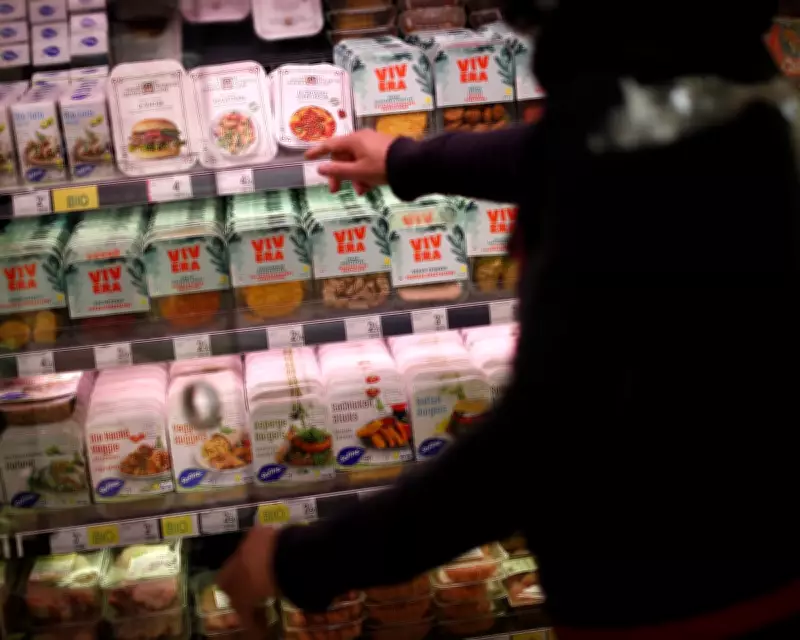
EU Lawmakers Prohibit Meaty Names for Plant-Based Foods in New Agreement
European Union legislators have finalized a contentious agreement to restrict the use of meat-related terminology for vegetarian and vegan food products, although key exceptions have been made for popular items like veggie burgers and meat-free sausages. This decision follows extensive negotiations between the European Parliament and the EU Council of Ministers, aimed at clarifying food labeling standards across member states.
Specific Bans and Exemptions in the New Regulation
According to an official statement published on the EU Council website, the new rules will explicitly ban 31 meat-associated names from being applied to plant-based alternatives. The prohibited terms include beef, chicken, drumstick, steak, bacon, ribs, wing, t-bone, and loin. These restrictions are designed to prevent consumer confusion and protect traditional agricultural products from what some lawmakers describe as unfair competition.
However, in a significant compromise, an earlier proposal to extend the ban to terms like burgers and sausages was ultimately abandoned. This means that products such as veggie burgers and plant-based sausages can continue to use these familiar names, providing relief to food manufacturers and consumers who rely on these descriptors for easy identification.

Political Reactions and Industry Responses
The agreement has sparked mixed reactions from political figures and consumer advocacy groups. Céline Imart, the French centre-right Member of the European Parliament who championed the amendment to ban meaty names, celebrated the outcome as a victory for livestock farmers. Imart, who is also a cereal farmer, emphasized that the regulation recognizes the value of farmers' work and safeguards their products against competitive pressures from plant-based alternatives.
In contrast, Anna Strolenberg, a Dutch Green MEP involved in the negotiations, criticized the move as counterproductive. She argued that the law fails to adequately strengthen farmers' bargaining power and unnecessarily restricts innovative food entrepreneurs. Strolenberg expressed relief that veggie burgers were spared but lamented the inclusion of other terms on the banned list, calling it an obstacle to market innovation.
The European Consumer Organisation (BEUC) also voiced concerns, labeling the ban on certain names as regrettable. Agustín Reyna, BEUC's Director General, stated that consumers seeking healthier and more convenient dietary options benefit from clear, familiar product names. He warned that the new rules could increase confusion and are not necessary for protecting consumer interests.
Broader Context and Future Implications
These naming rules are part of a larger regulatory framework intended to bolster the position of farmers within the food supply chain. Maria Panayiotou, Cyprus's Minister for Agriculture, highlighted that the agreement aims to provide farmers with better support and enhance the role of producer organizations, contributing to a more sustainable agricultural future.
The agreement must still navigate additional procedural steps, which are typically formalities, though last-minute negotiations could potentially alter the final outcome. This development reflects ongoing tensions between traditional agricultural sectors and the growing plant-based food industry, with implications for market dynamics and consumer choices across Europe.