How a Book on Crisps Sparked a Personal Snack Journey and Gluttonous Intake
Adrian Chiles reflects on a lifelong passion for potato crisps, a humble snack transformed into a symbol of human endeavor through reading Natalie Whittle's book Crunch. This exploration has not only deepened his appreciation but also escalated his crisp consumption to unprecedented levels, blurring the line between personal indulgence and scholarly research.
The Nourishing and Comforting World of Crisp History
Whittle's book Crunch delves into the fascinating history and intricate science behind crisps, revealing the extensive human effort involved in their creation. Unlike the snacks themselves, the book offers intellectual nourishment, yet it provides a comforting sense of community for those who share strong emotional connections to crisps. Chiles notes that this resonates deeply, as he discovers he is not alone in his fervent crisp fandom.
A Childhood Denial and a Life-Changing Discovery
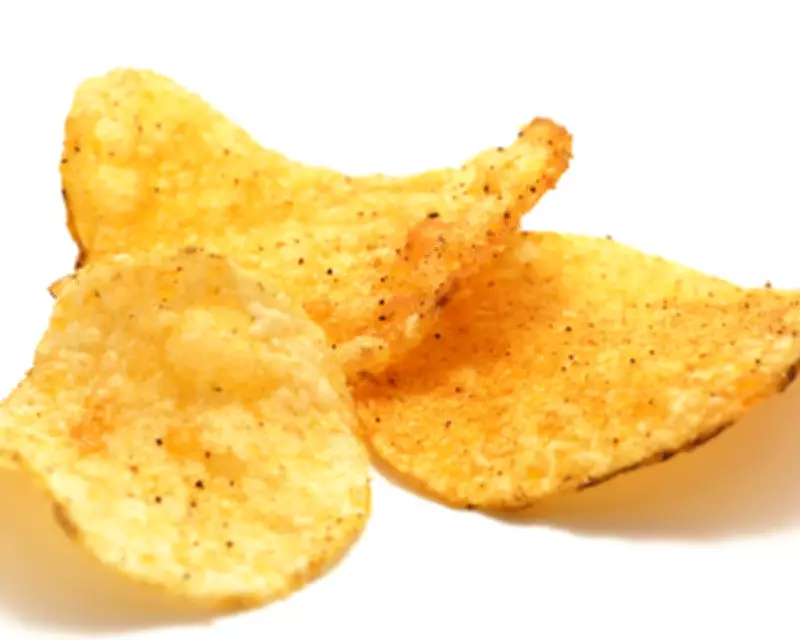
Chiles recounts a restrictive childhood where his mother's aversion to artificial flavorings limited him to ready salted crisps only. This changed dramatically during a day trip organized by the West Bromwich Albion supporters' club to Portsmouth. On the train journey, his grandmother presented him with a packet of roast chicken crisps in an orange bag—a stark contrast to the familiar red packaging. The first bite transported him to a new world, marking a pivotal moment in his personal crisp journey that he vividly remembers to this day.

The Surprising Social and Cultural Impact of Crisps
The author highlights the universal appeal of crisps, suggesting that a daily phone-in on listeners' favorite flavors would never lack contributors. This underscores the snack's role in fostering shared experiences and personal narratives, from childhood memories to adult indulgences. Chiles' own story exemplifies how crisps can evoke powerful emotions and create lasting impressions, far beyond their simple composition.
From Occasional Treat to Gluttonous Research
Reading Crunch has propelled Chiles' crisp intake from an occasional treat to a near-gluttonous habit, rationalized as research. He describes a recent incident at Leigh Delamere services where, after consuming oily junk food, he turned to pickled onion Monster Munch as an ideal palate cleanser. This anecdote illustrates the extreme lengths of his current consumption, blending humor with a candid admission of excess.
Recommendations and Reflections on a Crisp-Filled Life
Chiles highly recommends both Whittle's book and the experiential joy of exploring crisp varieties, despite the potential for overindulgence. His journey serves as a testament to the snack's enduring allure and the personal connections it fosters, inviting others to reflect on their own crisp-related memories and preferences in this surprisingly secretive world of flavors.