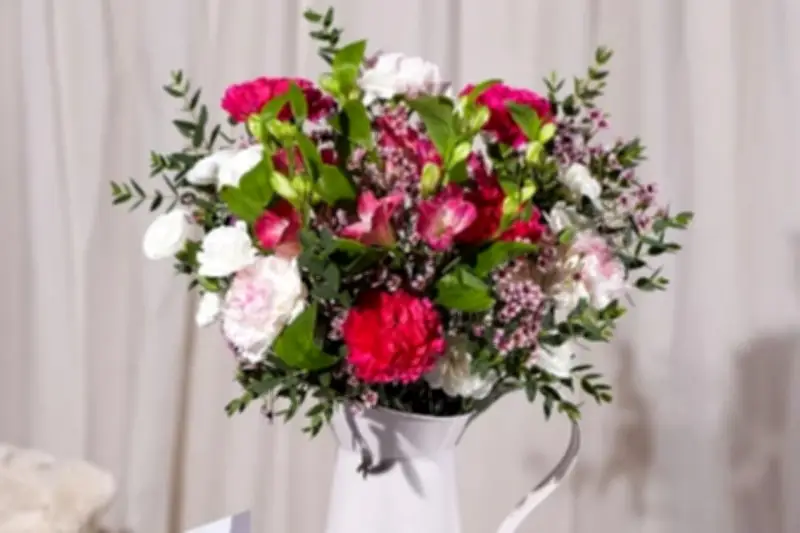
August Birth Flowers: Gladiolus and Poppy
August is unique in having two birth flowers: the gladiolus and the poppy. Each carries its own symbolism and history, making them perfect for birthday gifts or floral arrangements. According to traditional flower lore, the gladiolus represents strength, integrity, and infatuation, while the poppy signifies imagination, eternal sleep, and remembrance.
The Gladiolus: A Symbol of Strength
The gladiolus, also known as the sword lily, gets its name from the Latin word "gladius," meaning sword. Its tall, striking spikes of flowers symbolize strength, moral integrity, and remembrance. In ancient Rome, gladiators wore gladiolus bulbs around their necks for protection. Today, it is a popular choice for August birthday bouquets, conveying sincerity and infatuation. The flower comes in a variety of colors, each with its own nuance: red for love, pink for compassion, and white for purity.
The Poppy: Remembrance and Imagination
The poppy, with its delicate petals and vibrant colors, has deep cultural significance. It is often associated with remembrance of fallen soldiers, particularly in the UK and Commonwealth countries, where it is worn on Remembrance Day. In the language of flowers, the poppy also represents imagination, eternal sleep, and consolation. For August birthdays, a poppy bouquet can express creativity and a peaceful spirit. Poppies come in shades of red, orange, yellow, and pink.

How to Gift August Birth Flowers
When gifting August birth flowers, consider combining gladiolus and poppies in a mixed bouquet for a vibrant and meaningful present. Florists often recommend pairing them with greenery or other seasonal blooms like sunflowers or dahlias. According to Interflora, the gladiolus is a long-lasting cut flower, making it ideal for arrangements. For a more personal touch, choose a color that reflects the recipient's personality or the sentiment you wish to convey.
Other Birthday Flower Meanings
Each month has its own birth flower, and August's dual offering is part of a rich tradition. For example, January's carnation symbolizes fascination, while February's violet represents faithfulness. Understanding these meanings can add depth to birthday gifts. The practice of birth flowers dates back to Victorian times, when floriography—the language of flowers—was used to send secret messages.