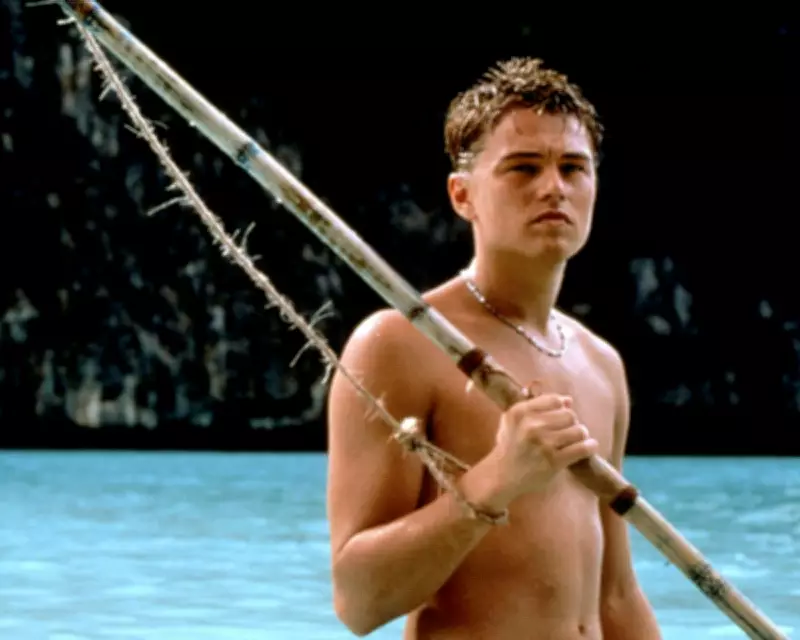
Nostalgic Glint of Adventure: Why The Beach Endures as My Ultimate Feelgood Film
The latest installment in our series of writers celebrating their comfort films takes us back to the year 2000, when visionary director Danny Boyle transported audiences to a cinematic paradise that continues to resonate decades later. I cannot hear Porcelain by Moby without immediately visualizing secluded shores and reminiscing about paths less traveled. Somewhere in the sun-drenched middle of Boyle's iconic film The Beach, there exists a scene that perfectly captures that profound sense of awe at life's extraordinary moments—a feeling I believe we all need to experience more frequently.
A World Beyond Packaged Tourism
In our contemporary reality where holidays and even daily existence are often neatly packaged into predictable, all-inclusive deals, The Beach stands defiantly apart by showcasing the complete opposite. This film is not merely about tourism; it is fundamentally about living wildly and authentically. Led by a dashing young Leonardo DiCaprio, fresh from his monumental success in Titanic and accompanied by a truly stellar soundtrack that I still enjoy during lengthy bus journeys, The Beach commences as an exhilarating adventure into the profoundly unfamiliar.
A restless character named Richard, portrayed by DiCaprio, abandons the monotonous daily grind in pursuit of something greater, drifting through Thailand on an relentless quest for an indescribable feeling. "We were heading for the great unknown," Richard declares, as the hedonistic pursuit of freedom permeates every warm-hued scene of him hauling a backpack across Southeast Asian backstreets.

The Gamble of Trusting Uncertainty
A hand-drawn map leading to a hidden beach might verge on cliche within the adventure genre, yet my most memorable real-life traveling experiences genuinely emerged from similarly unexpected encounters. That curiosity for something radically different from home feels intensely personal to me in this context, though one certainly does not need to be a hostel-dwelling nomad for this film to resonate deeply. At its core lies the courageous gamble of trusting in uncertainty—a longing I have witnessed in countless intrepid individuals. If you have ever been fortunate enough to experience the magnificent payoff, you know precisely that feeling: cue the iconic sounds of Moby.
The film also possesses a darker undercurrent from the very beginning. There exist numerous negative reviews, and viewers must overlook some admittedly dodgy CGI that serves as a firm reminder this cinematic piece was shot nearly three decades ago. However, several decades later, The Beach still masterfully captures the raw, unfiltered spirit of travel, evoking powerful emotions within me every single viewing—pure, unadulterated nostalgia. Perhaps traveling is inherently meant to be messy and exhilarating, exactly as writer Alex Garland envisioned in the original 1996 novel that inspired this film.
Prophetic Critique of Mass Tourism
With each rewatch, the scathing critique The Beach offers regarding modern-day tourism feels increasingly louder and more relevant. The film prophetically foreshadows the future horrors that mass tourism would eventually spread across the globe, from the distant beaches of Bali to the shores of Cancún. In this significant sense, the film transcends being merely about seeking paradise; it also serves as a powerful escape narrative from the "parasites" of mainstream holiday-making and a world where people merely exchange the comfort of their homes for similar comfort in another country.
"I understand more clearly than ever why we were so special, why we kept our secret," Richard reflects, providing audiences with a glimpse of the holier-than-thou backpacker mentality that threads throughout the entire movie. "Because if we didn't, sooner or later, we'd turn it into this. Cancers … parasites … eating up the whole fucking world."

Irony and the Fragility of Utopia
One of the most brilliantly executed aspects of the film is its profound irony. The escape from this parasitic world manifests as a community of misfit travelers, led by the formidable Sal portrayed by Tilda Swinton, who seemingly live in harmonious existence on a cannabis-filled island, liberated from real-world constraints. Cue more aesthetically pleasing noughties musical tracks, followed inevitably by chaos. Yet Richard describes his island life as "a beach resort for people who don't like beach resorts," failing to recognize it is essentially a recreation of the very thing they are escaping, merely presented in a different form.
The entire situation soon unravels into a surreal fever dream regardless—the fragility of their idealistic world disintegrating as each gentle wave laps onto the shoreline. Ultimately, humans never quite fit into the utopias they desperately long for, and the pursuit of the untouched can never be genuinely fulfilled. Infidelity, violent shootings, and tragic death ensue, but what else could we realistically expect? A utopian Thai island dominated by Westerners possessing a God complex was never destined to have a conventionally happy ending. In a selfish effort to protect the island's pristine beauty, the characters tragically lose everything—perhaps because it was never truly theirs to claim in the first place.
The Final Twist of Human Nature
In the greatest irony of all, the actual Thai beach where this film was originally shot is now inundated with tourists inspired by the very scenes I passionately praised earlier. I highly doubt director Danny Boyle intended for this specific outcome, yet the result feels like the film's ultimate, devastating critique of human nature itself. However, just before the final credits begin to roll, that nostalgic glint of adventure floods back once more with overwhelming intensity. The Beach remains my definitive feelgood film, perhaps not because paradise might actually exist somewhere, but because the longing for that Porcelain-infused sensation never truly fades away. The Beach is currently available for digital rental in the United States and streaming on Disney+ in the United Kingdom and Australia.