The Shepherd and the Bear: A Cinematic Exploration of Cultural and Environmental Conflict
In the rugged mountains of southwestern France, a profound cultural and environmental struggle unfolds in The Shepherd and the Bear, an immersive documentary by British film-maker Max Keegan. This visually stunning film captures the tension between two endangered entities in the Pyrenees region of Ariège: the reintroduced brown bear population and the traditional way of life practised by local shepherds.
Reintroduction Sparks Controversy
The documentary opens with dramatic footage of conservation efforts, showing a 200kg brown bear being delivered by helicopter to the mountainside. This airmail delivery method has become necessary due to significant local opposition from farmers who have barricaded roads and painted "no to bears" on tarmac surfaces throughout the region. The bears, hunted to extinction in the Pyrenees by the early 2000s, have returned through conservation programmes supported by the European Union, with approximately seventy now roaming the mountains.
The Shepherd's Perspective
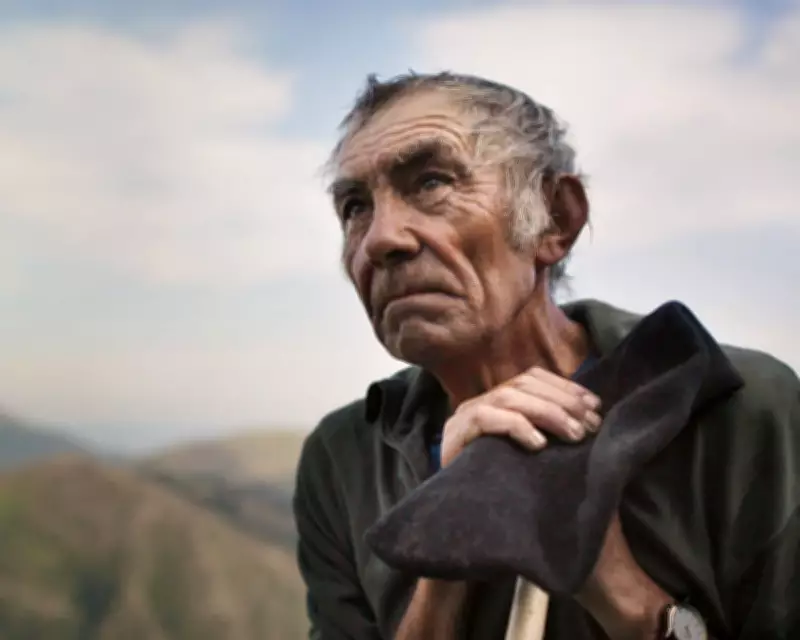
At the heart of the resistance stands Yves, a 63-year-old shepherd characterised by his flat cap and ever-present cigarette. Yves represents the agricultural community's concerns, training younger shepherd Lisa while recognising that their traditional lifestyle constitutes what he sees as the other endangered species in the region. With few young people entering the shepherding profession, the documentary suggests this way of life faces extinction regardless of bear predation.

Farmers present compelling evidence of their grievances, describing waking to find sheep half-eaten and sometimes still breathing after bear attacks. Their scepticism contrasts sharply with television experts who claim eighty-five percent of a brown bear's diet consists of vegetation, with protein mainly derived from insects and small creatures.
Balanced Filmmaking Approach
Keegan's documentary deliberately resists simplistic conclusions, presenting both perspectives with equal weight. Filmed over three years, the production benefited from remarkable access to the local community, who eventually treated the film-makers as part of the furniture and largely ignored the camera's presence. This intimacy allows for authentic moments, such as when a farmer accompanies her wildlife photographer son to observe a bear with two cubs and finds herself unexpectedly awestruck by their beauty.
Visual Poetry and Complex Questions
The cinematography by Keegan and co-director of photography Clément Beauvois captures the breathtaking seasonal changes of the Pyrenees landscape, emphasising the shepherds' constant outdoor existence. This visual poetry underscores the film's central question: how can humans learn to live in harmony with the natural world when livelihoods are directly threatened?
While television commentators advocate for coexistence, the documentary presents the practical challenges faced by those whose lives intersect daily with the reintroduced predators. The Shepherd and the Bear offers no easy solutions but provides a nuanced portrait of a complex environmental and cultural dilemma, inviting viewers to consider multiple perspectives on conservation, tradition, and survival in the modern European landscape.
The documentary will be available in UK cinemas from 6 February, offering British audiences an intimate look at this French environmental controversy that resonates with similar debates about rewilding and traditional livelihoods occurring across Europe.