Screenmaxxing: The Rise of Supersized Cinema Experiences in Hollywood
In an era where streaming services dominate home entertainment, Hollywood is doubling down on the big screen with a phenomenon known as screenmaxxing. This trend involves the proliferation of premium large-format (PLF) auditoriums, designed to lure audiences back to theaters with enhanced visual and auditory experiences. At the forefront of this movement are new certifications like Disney's InfinityVision and advanced projection technologies such as HDR by Barco, which promise superior brightness, contrast, and sound quality.
The InfinityVision Initiative and PLF Competition
Disney recently unveiled InfinityVision at CinemaCon, an annual event where studios showcase upcoming films to exhibitors. Despite its Marvel-inspired name, InfinityVision is not limited to superhero movies; it is a certification for PLF screens that meet or exceed standards in size, sound, and picture clarity. With around 300 screens globally already certified, this move aims to provide alternatives to coveted Imax screens, especially with blockbusters like Avengers: Doomsday and Dune 3 competing for limited premium slots.
The practical driver behind InfinityVision is the competitive landscape. For instance, Dune 3 has secured Imax screens for several weeks, potentially locking out other major releases. InfinityVision offers a branded assurance that other PLF options, such as Dolby or RPX auditoriums, deliver an equally impressive experience. This strategy is part of a broader effort to justify higher ticket prices and combat the allure of home theaters.

HDR by Barco: A New Contender in Premium Projection
Amidst this race for superior cinema, HDR by Barco has emerged as a new digital projection technology. Promising deep blacks, high contrast, and unprecedented brightness, it has gained traction with chains like Alamo Drafthouse and Regal Cinemas. In New York City, for example, the Brooklyn Alamo Drafthouse and select Regal locations have adopted this technology, often pairing it with Dolby Atmos sound for an immersive experience.
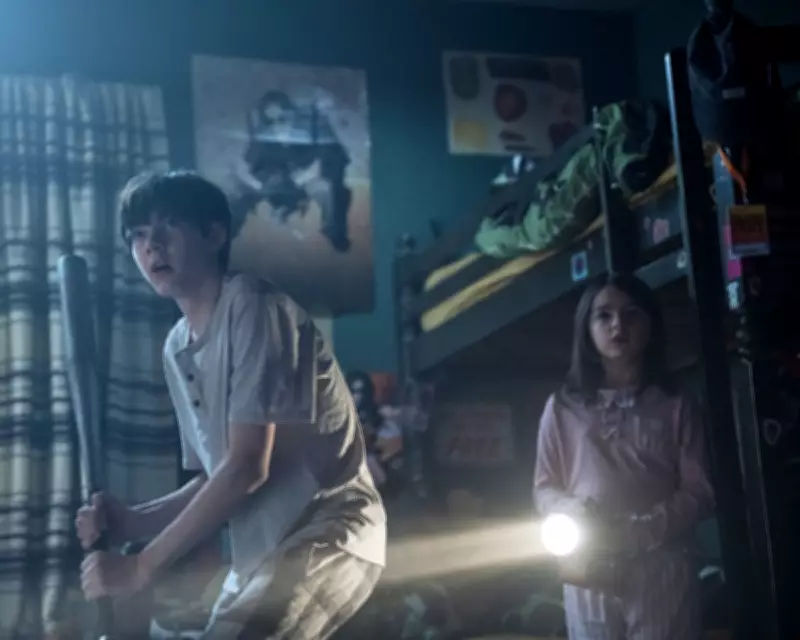
To test its effectiveness, a viewing of Lee Cronin's The Mummy under HDR by Barco projection revealed noticeable improvements. Scenes that might appear muddy on standard screens were highly legible, with enhanced color and contrast making a significant difference in this shadowy horror film. Compared to Dolby projection, HDR by Barco offered a brighter image without distortion, though casual viewers might not detect subtle differences.
The Broader Impact on Theatrical Exhibition
Screenmaxxing represents a critical revenue stream for an industry grappling with declining attendance. PLF screens allow theaters to charge premium prices by offering experiences that surpass typical home setups. However, this proliferation of formats—from Imax and 70mm to VistaVision and now HDR by Barco—can confuse consumers. With multiple brands and certifications, moviegoers may struggle to distinguish between options, potentially diluting the perceived value of each.
Moreover, the focus on technology raises questions about sustainability. While formats like InfinityVision and HDR by Barco enhance specific films, such as The Mummy, they may not salvage lackluster visuals in other blockbusters. For instance, the climax of Avengers: Endgame remains visually drab regardless of projection quality, yet it achieved record box office success. This highlights that perception often outweighs technical prowess in driving ticket sales.
The Future of Big-Screen Cinema
Looking ahead, the most impactful move for theaters might be investing in genuine Imax screens, which emphasize height and offer expanded aspect ratios for films like Dune 3 or Christopher Nolan's The Odyssey. However, with only a few dozen true Imax venues globally, most premium experiences rely on retrofitted auditoriums with high-quality equipment rather than new construction.

As screenmaxxing evolves, it risks creating a paradox: by offering too many premium options, theaters could imply that standard screenings are inadequate, potentially alienating casual moviegoers. Yet, for enthusiasts, the hunt for the biggest and best presentation adds to the cinematic event. Ultimately, while screenmaxxing may remain a niche interest, it underscores Hollywood's commitment to preserving the magic of the big screen in an increasingly digital world.