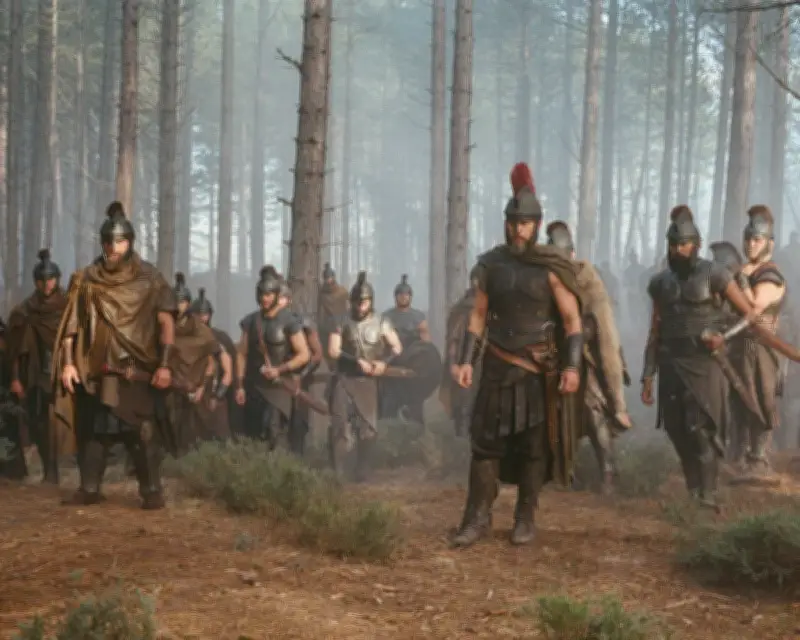
Christopher Nolan's $250m Imax adaptation of Homer's epic poem The Odyssey has been met with near universal critical acclaim, positioning it as a frontrunner for next year's best picture Oscar. The Guardian's Peter Bradshaw awarded it five stars, praising its “thrilling ambition, boldness, seriousness, generosity and flair.” The Independent's Clarisse Loughrey called it “Nolan's best work to date,” while the Telegraph's Robbie Collin described it as “by some distance, the best of the year so far.”
Five-star reviews across major outlets
The Times's Kevin Maher declared the film “a masterpiece in every way,” adding that Nolan has created “the artwork” for a generation yearning for primal storytelling. The New York Times critic Manohla Dargis called it “one of the most Nolan of Nolan spectacles” and “a transporting affirmation of the art and a work of pure cinema.” Variety's Guy Lodge wrote that the film “thrills generously for the bulk of its near three-hour running time,” offering “a veritable banquet of loud, grandiose, movie-movie pleasures.”
Mixed notes on structure and casting
Some critics offered faint criticisms. The Hollywood Reporter's David Rooney found scenes between Matt Damon's Odysseus and Charlize Theron's Calypso “dull interludes” that stop the narrative, and questioned the casting of Tom Holland as Telemachus, noting anachronistic language like “dad” and “I've listened to you party.” However, classicist Mary Beard praised the film as “brisk, pacy and contemporary” with “no dreadful cod-epic language,” calling it a great introduction to Homer.

Criticism over female characters and omissions
Beard expressed disappointment at the “one-dimensional” characterization of Odysseus and the cutting of key female characters, saying “This is an Odyssey without the sex.” Classicist Emily Hauser, writing in the Guardian, criticized Nolan for turning Penelope into “the executor of her enslaved woman, Melantho,” and pushing her into the slaughter, arguing the film offers “a man who seeks redemption and solidarity among men, recognition from women, and absolution for a civilisation's fall.”