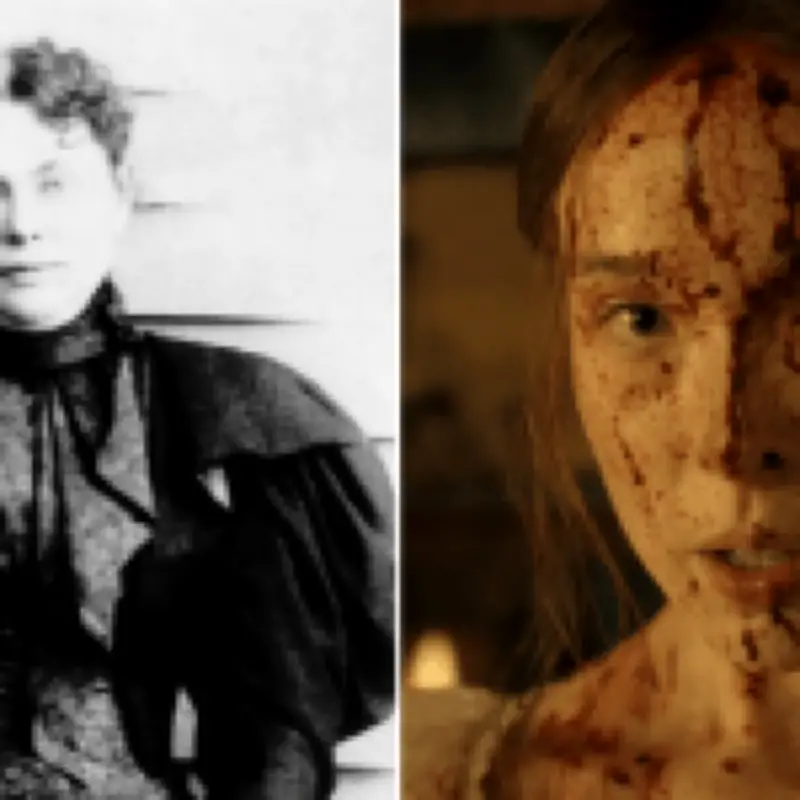
Netflix's Monster series is set to delve into one of America's most infamous murder cases: Lizzie Borden, who was acquitted of the 1892 axe murders of her father and stepmother. The fourth installment of the anthology will star Ella Beatty as Lizzie and Charlie Hunnam as her father, Andrew Borden.
The 1892 Fall River Murders
On August 4, 1892, wealthy couple Andrew and Abby Borden were brutally hacked to death in their home in Fall River, Massachusetts. Andrew was found on the sofa downstairs, while Abby was discovered upstairs in the guest bedroom, face down beside the bed. Abby had been struck 19 times, and investigators estimated she was killed about 90 minutes before her husband.
Lizzie Borden, Andrew's 32-year-old daughter, was on the property at the time but claimed she was in the barn eating pears when the murders occurred. Despite her claim, she became the prime suspect and the only person ever charged with the killings.

A Dysfunctional Family and Motive
Historian Cara Robertson, author of The Trial of Lizzie Borden, notes that the murders were so violent they were considered 'male-coded.' The public found it hard to believe that a respectable upper-middle-class woman could commit such a crime. However, evidence emerged of a dysfunctional family life. Lizzie and her sister Emma refused to speak to their stepmother, calling her 'Mrs Borden.' The family ate separately and led separate lives, with Lizzie moving furniture to block the door connecting her room to her father's.
There was also tension over money. Andrew Borden was wealthy but gave his daughters only a factory worker's weekly allowance. He had also given property to Abby's relatives. Days before the murders, Lizzie attempted to buy prussic acid, a deadly poison, claiming she needed it to clean a sealskin coat—in the middle of summer. She was refused. Police also found a bucket of bloody rags in the basement, which Lizzie said were menstrual towels.
Privileges in Prison and a Spectacular Trial
While awaiting trial, Lizzie was granted unusual privileges. According to Robertson, she spent eight months in a 'well-appointed' jail cell with comfortable furniture, meals from a local restaurant, and even a pet cat named Daisy. She was allowed visitors and gifts, and she kept to her own schedule.
The trial began in June 1893 and drew massive media attention. Lizzie dressed elegantly, appeared calm, and brought fresh flowers to court each day. The prosecution presented gruesome evidence, including Andrew's eyeball hanging out and a piece of his skull retrieved by the autopsy doctor, which caused Lizzie to faint. Because Abby was killed first, Lizzie stood to inherit her father's entire estate, allowing her to hire a top-notch defense team. After two weeks, she was acquitted.
Public Reaction and Ostracism
The verdict divided public opinion. Robertson explains that while the wider US applauded the acquittal, the press split along class lines. Working-class people, Irish Catholics, and mill workers saw it as a case of someone with resources getting away with murder. They resented the sympathy shown to Lizzie compared to how someone from a less privileged background would have been treated.
After her release, Lizzie used her inheritance to buy a grand house overlooking Fall River, where she moved with her sister Emma. Instead of living quietly, she embraced a life of leisure, attending the theatre and riding in a chauffeur-driven car with raised back seats so her dogs could look out the window. The townspeople, who had supported her during the trial, began to ostracize her. When she returned to church, the pews around her were empty.
Legacy and the Nursery Rhyme
Emma eventually moved out, and the sisters became estranged. Lizzie died of pneumonia at age 66. Today, the Borden house operates as an Airbnb, where guests can stay and even recreate the crime scene. The case remains a source of fascination, immortalized in a nursery rhyme: 'Lizzie Borden took an axe, she gave her mother forty whacks. When she saw what she had done, she gave her father forty-one.' Robertson notes that most people assume the rhyme means Lizzie was convicted, but she was acquitted. The rhyme has cemented Lizzie's image as a Halloween horror figure rather than a woman who endured a terrible ordeal.