The Allure of Improvised Cinema: Unpacking Viral Movie Myths
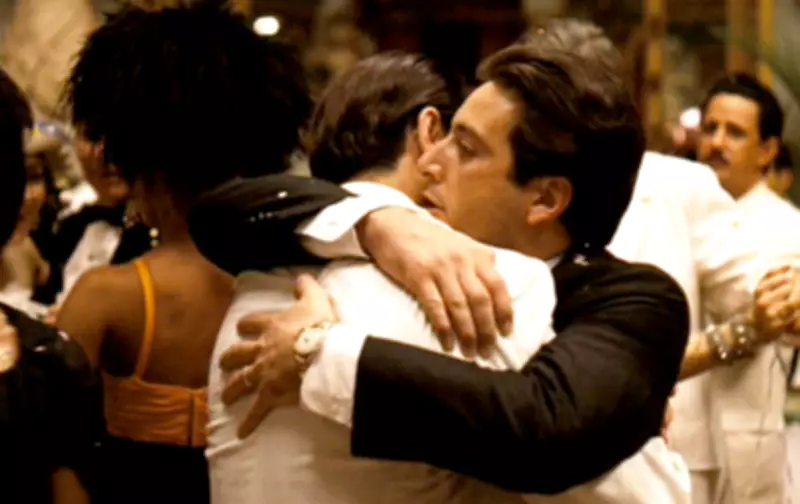
In the digital age, a persistent myth has taken hold across social media platforms: the idea that many of cinema's most iconic moments were improvised on the spot. From Al Pacino's chilling kiss of death to John Cazale in The Godfather Part II to Heath Ledger's raw reaction in The Dark Knight, false claims abound, suggesting actors frequently ditch scripts for spontaneous brilliance. This phenomenon raises critical questions about why audiences are so eager to believe these behind-the-scenes 'secrets' and what drives the rapid spread of such misinformation.
The Rise of Engagement Bait in Film Discourse
Platforms like YouTube, X, and TikTok have become hotbeds for content creators peddling exaggerated or entirely fabricated stories about movie improvisations. These accounts often use formulaic captions, such as highlighting how actors 'turned a mistake into an iconic moment,' to capture attention quickly. For instance, a viral TikTok video might assert that Winona Ryder's intense roast in Mermaids forced Cher to improvise a slap, despite evidence to the contrary. The motivation behind these posts is largely financial; with monetization models on social media, creators profit from high engagement rates, encouraging the production of low-effort, sensational content.
Data analysis reveals that accounts like Stone Face Memes and Eggdar Memes have gained massive followings by leveraging familiar films to attract views rapidly. Their minimal production time allows for a high volume of posts, further amplifying false narratives. Even when commenters attempt to debunk these claims, their interactions still boost the content's visibility, creating a cycle where misinformation thrives regardless of accuracy.

Historical Roots and Media Complicity
While the internet has accelerated the spread of these myths, the fascination with improvisation in cinema is not new. Filmmakers and journalists have long contributed to half-truths about spontaneous scenes. For example, director Judd Apatow noted that despite Jonah Hill's insistence on heavy improvisation in Superbad, the script remained largely intact. Similarly, headlines like NME's claim that Barry Keoghan 'totally improvised' a scene in Saltburn often distort reality, as such moments typically involve pre-planned discussions rather than pure ad-libbing.
This blurring of lines between fact and fiction can lead to genuine confusion among content creators, who may unknowingly propagate untruths. A case in point is the claim about Jim Carrey forgetting his lines in Lemony Snicket's A Series of Unfortunate Events, which originated from ambiguous sources like IMDb trivia and has been echoed by official studio accounts, making it challenging to verify.
Audience Psychology and Cultural Implications
Why do audiences crave these stories of improvisation? According to scholars like Marion Froger, detecting spontaneity in films can foster a sense of intimacy with actors and directors, feeding our imaginary attachments to them. This desire to feel involved in the creative process—to know a secret others don't—enhances viewer engagement. However, it also reflects broader cultural trends, such as a potential shift toward anti-intellectualism, where rule-breaking spontaneity is valued over meticulous craftsmanship.
Ultimately, the spread of these myths is a complex issue driven by social media incentives, historical myth-making in Hollywood, and deep-seated audience desires. As media literacy concerns grow, understanding this dynamic is crucial for navigating the blurred lines between cinematic fact and fiction in the digital era.