The Nostalgia Industry Targets Millennials with Malcolm in the Middle Revival
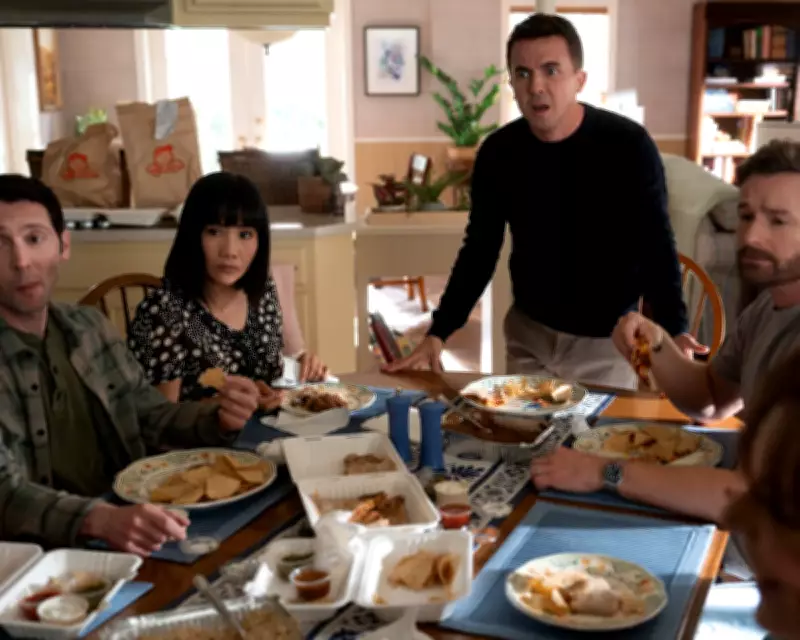
In 2024, Disney+ announced a four-part miniseries revival of the acclaimed 2000s sitcom Malcolm in the Middle, titled Life's Still Unfair. This development represents a direct targeting of millennials by the nostalgia industry, particularly those born in the early 1990s who grew up watching the original series on Sunday evenings. The revival brings back most of the original cast, including Frankie Muniz as Malcolm, Justin Berfield as Reese, Christopher Masterson as Francis, and Emy Coligado as Piama, offering the voyeuristic pleasure of seeing how the actors have aged over two decades.
Original Series: A Comedy of Social Realism
The original Malcolm in the Middle, which aired from 2000 to 2006, was celebrated for more than just its absurdist pranks and Bryan Cranston's Chaplinesque performance as Hal. At its core, the show functioned as a comedy of social realism, animated by the family's persistent financial struggles. The series regularly featured the parents poring over bills at their messy kitchen table, with storylines addressing workplace unionization, health insurance costs, and rebellion against institutional authority.
In the series finale, Malcolm's acceptance to Harvard came with the harsh reality that he could only afford tuition by working as a university janitor. This political subversiveness and attention to economic pressures distinguished the show from typical family sitcoms and gave it lasting cultural relevance.

The Reboot's Missing Political Edge
Malcolm in the Middle: Life's Still Unfair, released in full last week, largely abandons the social and economic commentary that defined the original. The reboot finds Malcolm running a successful charity and having largely cut ties with his chaotic family. He has kept his teenage daughter secret from them, fearing their anarchic influence might rub off on her.
The plot revolves around Hal and Lois discovering they have a grandchild, culminating in their 40-year wedding anniversary reunion where things predictably go wrong. While competently executed, the revival lacks the spiky, unruly quality of its predecessor. Social and economic pressures, arguably more intense in contemporary society than during the original's run, are noticeably absent. Characters appear financially comfortable living in clean homes, with only passing references to budgetary pressures and anti-police sentiment acknowledging the "real world."
Broader Trend of Nostalgia-Driven Revivals
This Malcolm revival joins numerous other 1990s-2000s television staples receiving reboot or remake treatment. Recent examples include Scrubs returning for a full Disney+ season after 17 years, the widely criticized Bel-Air remake of The Fresh Prince on Now TV, and Frasier's return on Paramount+. These revivals typically offer "comfort viewing" for uneasy times, making easy observations about contemporary culture while primarily aiming to rekindle familiar warmth for aging audiences.
The phenomenon reflects what cultural critic Simon Reynolds termed "retromania" back in 2011, but current nostalgia-driven content appears particularly ruthless and unsparing. The Malcolm reboot specifically became possible through the 2019 merger of Disney and Fox, approved during Donald Trump's administration, creating another media quasi-monopoly that identifies key demographics and streams targeted content.
Corporate Consolidation and Cultural Implications
Much has changed since Malcolm in the Middle's original conclusion in 2006. Corporate power has consolidated significantly, wealth inequality has intensified, political movements have risen and faded, and millennials have begun aging while criticizing younger generations. What remains unchanged is the appeal of returning to childhood perspectives, which streaming services exploit to keep audiences looking backward rather than facing contemporary challenges.
The Malcolm in the Middle revival ultimately demonstrates how corporate streaming strategies prioritize nostalgic comfort over substantive engagement with current social and economic realities, transforming what was once a politically subversive sitcom into another product in the nostalgia industry's expanding catalog.