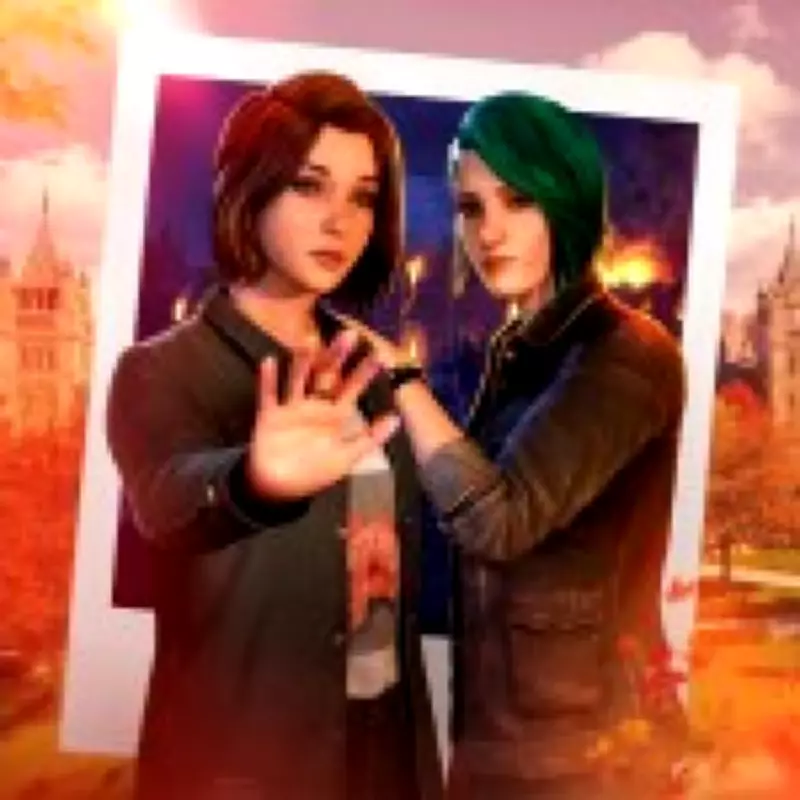
Life Is Strange: Reunion Review - A Fan's Perspective on Max and Chloe's Final Chapter
As a long-time fan of the Life Is Strange series, I approached Reunion with a mix of excitement and trepidation. Square Enix's decision to prevent pre-launch reviews only heightened the mystery surrounding what may be the final entry in this beloved franchise. Occupying the strange position of both a Pricefielder who sacrificed Arcadia Bay to stay with Chloe and a critic of Reunion's frictionless writing, I found myself grappling with a game that feels like a love letter to the original heroines, yet struggles under the weight of franchise expectations.
The Development Context and Narrative Choices
Following the critical failure of Double Exposure in 2024, insider reports suggest Deck Nine significantly altered their plans for Reunion. The combination of a compressed development schedule, staff reductions as the project concluded, and potential story pivots has resulted in a game that might have been better positioned as apology DLC rather than a full sequel. The studio, possibly under Square Enix's direction, clearly decided this curtain call should celebrate Max and Chloe while banking on nostalgia to overcome Double Exposure's shortcomings.
Chloe's return represents a welcome departure from the Avengers-style team-up hinted at in Double Exposure's conclusion, though the retconning of that game's ending as Max's 'Storm Amnesia' feels like a clumsy narrative device. For those familiar with lesbian relationships, the game delivers elongated emotional conversations and extended handholding moments that capture the series' signature intimacy.

Gameplay Mechanics and Design Limitations
The game shines brightest during Chloe's playable segments, where her decade of additional life experience creates humorous interactions with established characters in Lakeview. However, Reunion inherits many of Double Exposure's fundamental problems. An average playthrough spans approximately nine hours, abandoning the chapter structure familiar to series veterans.
Mechanical limitations are evident throughout: quick time events are scarce, action sequences predominantly consist of pre-rendered cinematics, and players can often leave their controllers without disrupting gameplay flow. Chloe's much-touted backtalk feature appears only three times, feeling underdeveloped compared to its potential. While Max's time-rewinding powers return with some fun Easter eggs, their implementation feels constrained and occasionally creates narrative inconsistencies.
Environmental Design and Narrative Strengths
Locations remain disappointingly limited, mostly recycling Double Exposure's environments. The game frequently hints at off-screen events that would have benefited from expanded presentation. Yet Reunion demonstrates genuine quality when operating independently from its predecessor. The Abraxus house section stands out as the game's best-designed segment, representing a franchise return to form with darker themes and effective split-perspective storytelling between Max and Chloe, despite persistent player agency limitations.
Philosophical Concerns and Franchise Implications
Reuniting Max and Chloe serves as the game's emotional core, but raises questions about narrative necessity. Having experienced both original game endings - whether racing into the sunset together or witnessing Chloe's bathroom death - I found Reunion's story weakened by Max's reactions being minimized for cross-timeline reuse.
The game's most significant failing is its retconning of the original's core philosophical lessons. Life Is Strange taught that superpowers cannot fix everything, creating compelling moral debates that sustained fandom for a decade. Reunion establishes a universe where anything becomes theoretically possible, sidelining consequences and the butterfly effect. Timeline merging creates paradoxes resolved through simplistic 'not thinking about it' solutions, while Safi transforms into a pantomime villain reveling in nihilistic semi-existence.

Safi's lament that "All of us have the seeds of our deaths planted inside of us" feels particularly poignant, potentially reflecting developer frustrations or serving as meta-commentary on the franchise itself. For Life Is Strange, those seeds were sown long before this final entry, and Reunion's attempted course correction proves insufficient for franchise rehabilitation.
Final Assessment
While Reunion provides a loving send-off for Max Caulfield, its underdeveloped nature and narrative compromises make it another weak franchise entry. The game earns a score of 5/10 for its emotional moments and nostalgic appeal, undermined by mechanical limitations and philosophical retreats from the series' original strengths. Available on PlayStation 5, Xbox Series X/S, and PC for £44.99, Reunion may satisfy die-hard fans seeking closure, but likely represents the franchise's final chapter.