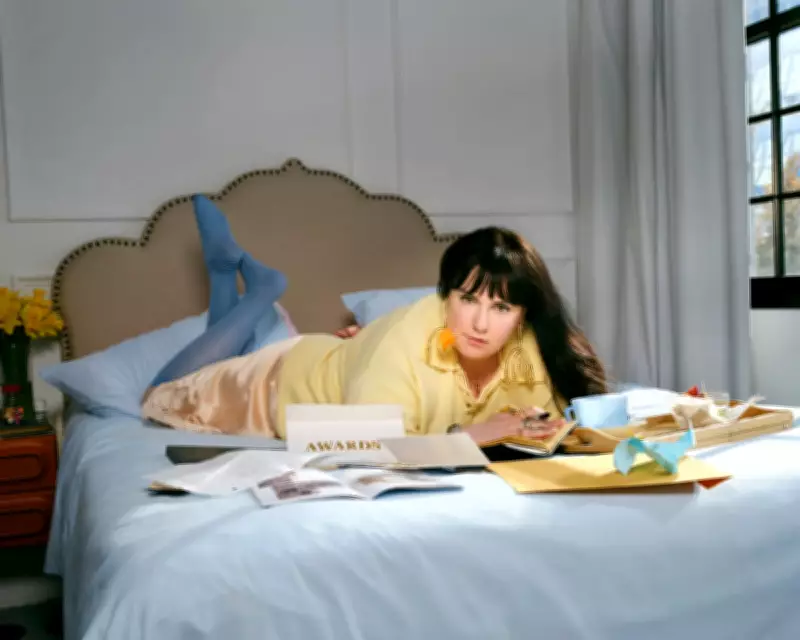
Lena Dunham's Candid Confessions on Fame and Recovery
Lena Dunham, the creator of the hit HBO series Girls, has unveiled a deeply personal memoir titled Famesick, exploring the tumultuous decade following her rapid rise to fame. At just 23 years old, Dunham sold the series, catapulting her into a spotlight she describes as overwhelming and toxic. In exclusive interviews, she reflects on the psychological and physical toll of early success, including struggles with health, addiction, and fractured relationships.
The Alias of a Public Persona
Dunham reveals intriguing details about her use of pseudonyms, such as "Lauri Reynolds" and "Rose O'Neill," to navigate public spaces incognito. Her favorite alias, "Renata Halpern," draws from a character in Pat Conroy's The Prince of Tides, symbolizing her connection to narratives of trauma. Now living in London for greater anonymity, she maintains these aliases to avoid unwanted attention, highlighting the persistent challenges of celebrity life.
Health Battles and Personal Struggles
The memoir delves into Dunham's severe health issues, including a late diagnosis of hypermobile Ehlers-Danlos syndrome and endometriosis, which led to a hysterectomy at age 31. She details her dependency on prescription drugs like Klonopin and subsequent rehab stints, framing these experiences as part of a broader narrative of survival. Dunham's candid accounts of medical neglect and pain management underscore the hidden costs of her public persona.

Fractured Friendships and Professional Pressures
Dunham addresses the dissolution of key relationships, notably with former producing partner Jenni Konner and ex-boyfriend Jack Antonoff. She describes these dynamics as toxic, marked by manipulation and emotional turmoil. On the set of Girls, she recounts tense interactions with co-star Adam Driver, including incidents of aggressive behavior that she initially misinterpreted as artistic genius. These reflections reveal the gender-based pressures she faced as a young female showrunner.
The Impact of Online Criticism
From the show's debut, Dunham faced relentless online harassment targeting her body, voice, and politics. She admits to an addictive engagement with social media, seeking validation while enduring vitriol. Today, she avoids direct access to these platforms, crediting this change with fostering a calmer, more joyful life. Her experience serves as a cautionary tale for young women in the digital age.
Family Dynamics and Self-Discovery
Dunham explores complex relationships with her parents, artists Laurie Simmons and Carroll Dunham. She describes her mother as a "frenemy" and her father as a steadfast support. The family's closeness, including frequent overnight stays, reflects her delayed personal development due to an intense work schedule. These dynamics illustrate the interplay between familial bonds and professional identity.
Renewal in London and Current Projects
Relocating to London five years ago, Dunham found solace in the city's culture, appreciating British women's approach to aging. She married musician Luis Felber and has pursued new creative ventures, including directing for HBO's Industry and producing films like Catherine Called Birdy. With a production deal at Netflix, she emphasizes a healthier work-life balance and greater personal fulfillment.
Lessons from a 'Lost Decade'
In Famesick, Dunham concludes that she achieved her dreams at a time when she was ill-equipped to handle them. The memoir serves as a raw examination of fame's pitfalls, advocating for self-care and boundary-setting. Now in her late 30s, she expresses gratitude for her current stability, viewing her past struggles as foundational to her present happiness.