Jim Jarmusch Reflects on New Film and Artistic Philosophy
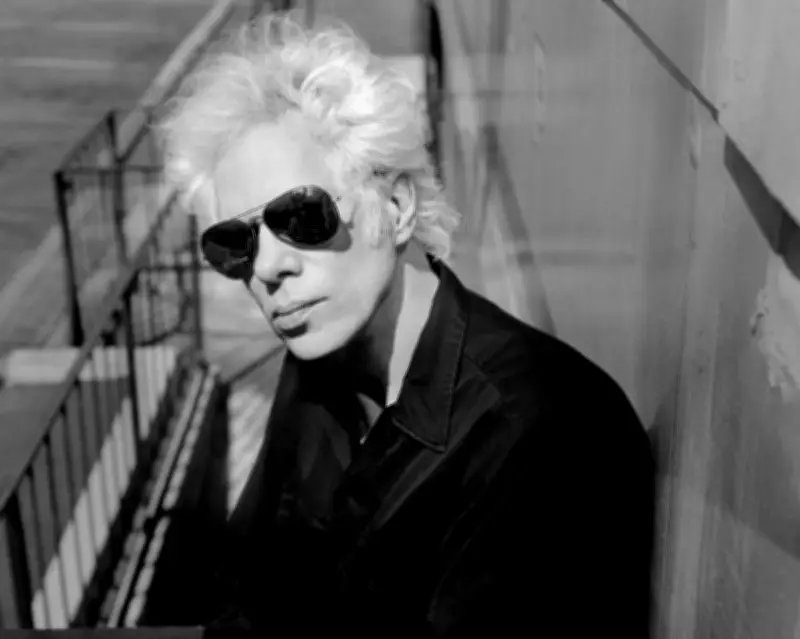
At 73, Jim Jarmusch remains a towering figure in American independent cinema, having shaped the landscape since the 1980s with his unique, humanist approach. In a recent video call from his book-lined New York room, the director opened up about his latest film, Father Mother Sister Brother, which won the Golden Lion at the Venice Film Festival last year. Jarmusch, known for his sculptural white hair and black attire, discussed the seven-year journey to bring this project to life, emphasizing his disinterest in commercial pressures and artistic competition.
A Journey Through Grief and Humanity
The film is a three-part anthology set in New Jersey, Dublin, and Paris, exploring themes of family, loss, and everyday mundanity. Jarmusch reveals that he often starts with actors in mind, writing scripts rapidly—sometimes in as little as 10 days. For Father Mother Sister Brother, he envisioned Tom Waits as Adam Driver's father and Mayim Bialik as his sister, drawing inspiration from their unique personas. The director's method involves casting first and writing fast, a technique that has defined his career.
Jarmusch's work is deeply influenced by humanist romantics like John Cassavetes and surrealists like David Lynch, though he insists he is not imitating them. He describes himself as occupying a middle ground, focused on capturing the quotidian moments others might overlook. This is evident in films like Night on Earth and Coffee and Cigarettes, where he turns cab rides and coffee breaks into profound narratives.

Collaborations and Missed Opportunities
The director fondly recalls working with Gena Rowlands on Night on Earth, shortly after she lost her husband, John Cassavetes. Rowlands, who passed away in 2024, left a lasting impact on Jarmusch, who describes her as a "remarkable, apparently effortless person." He shares a poignant story about Rowlands offering him a Cassavetes script, Unless That Someone Is You, which he had to decline due to commitments to Dead Man, a film he later called a "psychedelic western." This missed opportunity highlights the delicate balance of artistic choices in his career.
Jarmusch's collaborations are a hallmark of his work, with actors like Tom Waits, Adam Driver, and Cate Blanchett returning for multiple projects. Blanchett praises his ability to notice overlooked details and prize the "oddball parts of people." Similarly, Steve Coogan reminisces about their time together, noting that working with Jarmusch was "the most remunerative two days of my life" in terms of creative fulfillment.
Rejecting Competition and Embracing Independence
When Father Mother Sister Brother was rejected by Cannes but won at Venice, Jarmusch was surprised yet appreciative. He firmly states, "I'm not interested in the competition of artistic expression. It's nonsense to me." This attitude extends to his approach to funding, where he refuses to compromise with backers, often walking away if asked to alter his vision. He criticizes the idea of "someone who used to run an underwear factory telling me how to make a goddam film," underscoring his commitment to artistic integrity.
The director acknowledges the challenges of independent filmmaking, noting that it's "harder every time to get a film made." He describes himself as "not a commercial director" and "not even a professional film-maker," instead focusing on projects that resonate personally. This has led to gaps between films, with Father Mother Sister Brother being his first since 2019's The Dead Don't Die.
Looking Ahead with No Plan
Jarmusch, who practices tai chi and meditation, discusses death with a philosophical calm, viewing it as part of a cyclical process. He emphasizes living in the present, especially amid global fragility. When asked about future plans, he quotes Neil Young: "The best plan, man, is no plan." Up next, he will shoot a film in Paris, though he remains tight-lipped due to superstition.

Despite the hurdles, Jarmusch remains a dedicated cinephile, watching a film daily and finding inspiration in silent movies, which he compares to dreams. He concludes, "I'm lucky, but I'm stubborn as hell," a testament to his enduring passion for cinema on his own terms. Father Mother Sister Brother opens in UK cinemas from 10 April, offering another glimpse into his distinctive world.