Hungarian Thriller 'Feels Like Home' Ignites Election Tension Parallels
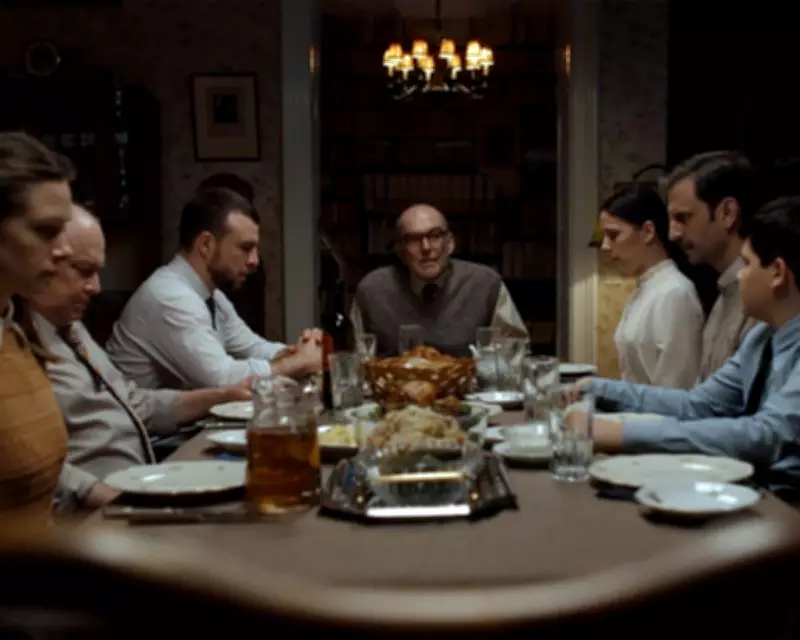
In a packed Budapest cinema on a Tuesday evening, audiences are not flocking to a Hollywood blockbuster but to a low-budget Hungarian psychological thriller that has become a cultural phenomenon. Feels Like Home (Itt Érzem Magam Otthon) tells the gripping story of a saleswoman abducted by a family controlled by an authoritarian father-figure named Papa, where compliance yields privileges and escape seems futile as the family's influence pervades everything outside.
Political Metaphors Amid Election Fever
Director Gábor Holtai insists the film was not intended as a direct metaphor for life under Prime Minister Viktor Orbán's 16-year reign, but in the fevered final weeks before Hungary's parliamentary elections on 12 April, viewers have drawn unmistakable parallels. Critics argue Orbán has dismantled democratic institutions and enriched loyalists, while facing an unprecedented challenge from Péter Magyar and his new Tisza party.
At a showing in Buda, attendees like Bea, a 52-year-old sales assistant, wore Tisza logos and saw direct links between the film's brutal intimidation tactics and Hungary's political climate. Bea reflected, "I was in shock at first. Because of the brutality portrayed in the film. That they keep intimidating someone until they do what they are told, until they are broken. After I went home, I understood that we are the ones shaping our fate: we are the other members of the family."
Audience Resonance and International Echoes
Holtai notes that Hungarian viewers naturally associate the film with current politics, and international audiences in countries with dictatorial histories have also found it reflective of their past and present. The film's success stems from word-of-mouth promotion, as it received no state funding and had minimal PR, with actors like Áron Molnár—known for satirical critiques of Orbán—amplifying its political subtext.
Independent film critic Gellért Kovács highlights that Feels Like Home meets Hollywood standards for a psychological thriller while serving as an allegory for Hungary's pervasive situation. He points out that films like this, created without subsidies from the state-controlled National Film Institute, often have greater impact than big-budget productions aligned with government ideology.
A Mirror to Hungary's Divided Society
The film industry under Orbán has seen a rise in movies born from necessity and despair, as noted by Kovács. At the cinema, repeat viewers like Róbert, a 73-year-old retail worker, attest to the film's lasting impact, saying it makes you think for days and reflects the frustration with Hungary's divided political landscape. As elections loom, Feels Like Home continues to resonate, holding up a mirror to a nation grappling with its future.