How Video Games Simulate the Profound Solitude of Space Travel
The recent Artemis II space mission launch captivated audiences with its explosive spectacle, but the subsequent images of the tiny Orion craft drifting silently through the void have resonated just as deeply. This sense of cosmic isolation, where astronauts are utterly alone against the backdrop of infinite space, is a theme that video games have long sought to capture and explore.
The Loneliness of the Cosmos in Gaming
In his autobiography, Apollo astronaut Michael Collins poignantly described the feeling of being left alone in the command module while his colleagues walked on the moon. He wrote of being "truly alone, and absolutely isolated from any known life." While most science-fiction games depict space travel as routine, a select few delve into this profound solitude and vulnerability.
For many gamers, classics like Elite from the 1980s offered an early taste of this experience. Players navigated a monochrome universe in a single-seater craft, watching stars and distant planets pass by through the windows, immersed in a silent, lonely journey between space stations.

Modern Explorations of Desolation and Danger
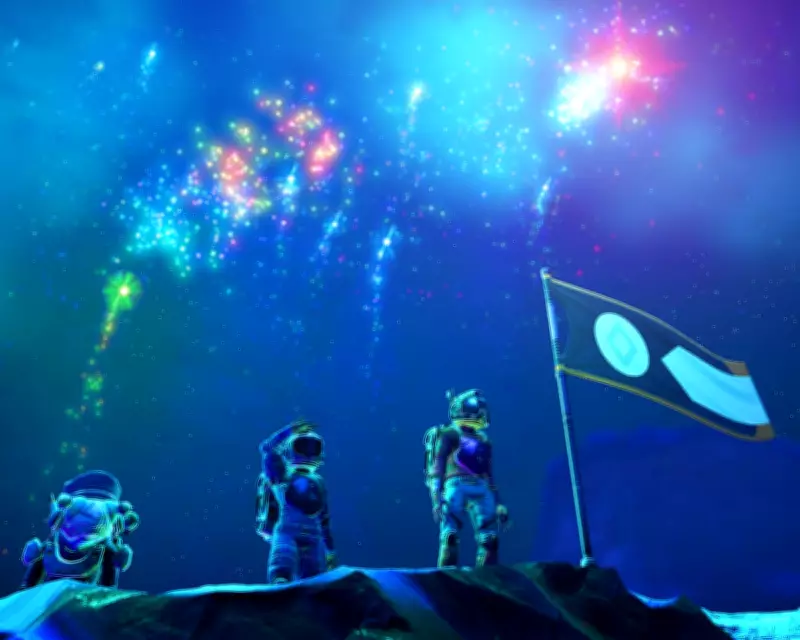
More recently, titles such as No Man's Sky have pushed this concept further. Upon its initial release in 2016, the game allowed players to explore bizarre, desolate planets alone, where every trip was shadowed by mortal peril from hostile environments like acid atmospheres or scarce resources. Although later updates made the game more forgiving, that original sense of deadly danger made moments of arrival feel intensely emotional and enticing.
Similarly, games like Exo One provide a surreal, minimalist experience of piloting a tiny alien craft over psychedelic landscapes. Game developer Henry Driver noted that Exo One "captivated audiences like nothing else" at a festival, highlighting its ability to evoke beauty and loneliness.
Familiar Titles That Evoke Solitude and Awe
Other well-known games have also mastered this theme. Outer Wilds places players in a time loop within a doomed planetary system, forcing them to relive the same 22 minutes repeatedly while searching for escape amidst cruel yet beautiful worlds. Meanwhile, games like Observation and Tacoma strand players on crippled space stations, tasking them with piecing together the events leading to disaster.
On social media, gamers and industry professionals recalled feelings of solitude, awe, and fear in titles such as Alien: Isolation, Freelancer, Homeworld, and Out There. These games often focus on minimalist elements of space travel, emphasizing isolated noises and details. For instance, industry adviser Tracey McGarrigan reminisced about the Atari 2600 game Solaris, mentioning "the sounds of your ship's engines ... the scrolling fuchsia corridors."
The Human Need to Face the Abyss
While we may never fully comprehend what the Orion crew felt during their 40 minutes of isolation behind the moon, video games have consistently attempted to simulate that experience. They offer players a taste of facing the black abyss, protected only by a thin layer of metal and limited oxygen. There is a fundamental human curiosity about what it means to exist at the very edge of reality, whether through extreme sports, thrill rides, or the generated galaxies of thoughtful space games.
Unlike titles focused on generational starships or laser wars, these games concentrate on small crews in tiny pods, with the weight of the universe stacked against them in the darkness. They remind us that space is not just a frontier of adventure but also a realm of profound solitude and vulnerability.
What to Play: Xenonauts 2
For those seeking a strategic challenge, Xenonauts 2 is a turn-based strategy sim that puts players in charge of Earth's defences against alien invaders. Managing secret bases, developing technologies, and directing troops against monstrous foes, this game offers incredibly neat graphics and complex layers of strategy. It provides a ruthlessly immersive experience that can captivate players for over 30 hours.

What to Read: Video Game Novelisations
In response to a reader's query, there are numerous novelisations of video games available. While quality varies, standout examples include Ico: Castle in the Mist, based on the beautiful PlayStation game, and Halo: The Fall of Reach, which offers solid sci-fi fare. Other notable mentions are the Resident Evil novels by SD Perry and Bioshock: Rapture by John Shirley. These books expand on game worlds, providing deeper narratives for fans.
Ultimately, video games continue to serve as a powerful medium for exploring the awe and terror of cosmic isolation, allowing players to experience the fragile quiet of drifting through space from the safety of their homes.