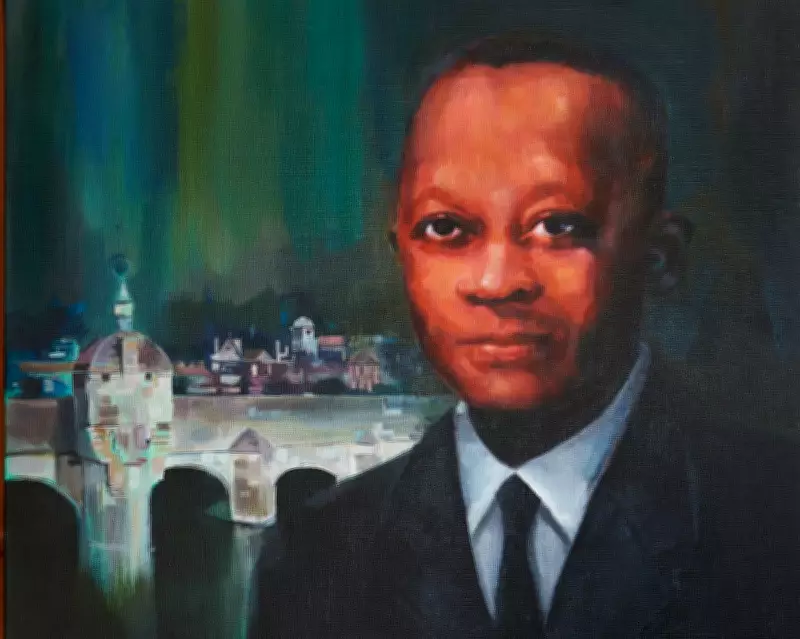
Eric Walrond, a Guyana-born writer who once shone brightly in the Harlem Renaissance, died in obscurity six decades ago. His groundbreaking short story collection, Tropic Death, published a century ago, is now being rediscovered as a powerful critique of colonial exploitation and racial violence.
Early Life and Literary Rise
Walrond's childhood was marked by constant movement, from Guyana to Barbados to the Panama Canal Zone, where his father worked. This experience of displacement shaped his identity as an 'outsider twice removed.' At 20, he moved to New York, writing for Negro World, Marcus Garvey's newspaper. However, he soon grew disillusioned with what he saw as propaganda over art, refusing to align with any single ideological group in Harlem.
The Making of Tropic Death
Published in 1926, Tropic Death is a collection of ten stories set in the Caribbean, four in the Panama Canal Zone. Walrond rejected monolithic racial identity, instead celebrating Caribbean diversity through phonetic vernacular dialogue. The stories are gothic and macabre, inverting the racist fantasy of tropical paradise to reveal the violence beneath: a laborer shot by a drunken marine, a boy devoured by a shark, and a plantation owner killed by a vampire bat he mistook for a human baby.

Critical Acclaim and Controversy
The book won Walrond a Guggenheim Fellowship and critical praise, but also drew criticism. Garvey labeled him a 'literary prostitute,' while Claude McKay called him a 'rotten imposter.' His white patron, Edna Worthley Underwood, urged him to return to the tropics instead of writing about the Panama Canal.
Exile and Decline
Walrond moved to Europe, first Paris, then London, publishing stories in British periodicals. During WWII, he evacuated to Bradford-on-Avon, Wiltshire, working in a rubber factory. There, as the only black man in a white town, he stopped writing. He later committed himself to Roundway Hospital, where he briefly revived his creativity, but after release, he failed to restart his career. He died of a heart attack in 1966, buried in an unmarked grave.
Rediscovery and Legacy
Though academic interest has revived his work, Walrond deserves wider recognition. Tropic Death remains a searing indictment of racial and extractive capitalism, its themes eerily relevant today. His story is a cautionary tale about the fragility of literary fame and the cost of displacement.