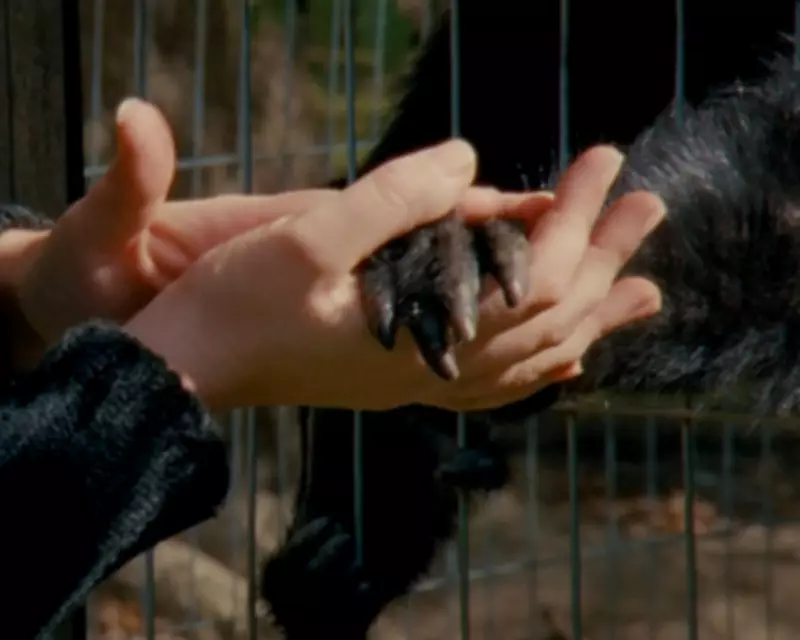
The film Collective Monologue, released in early 2026, offers a groundbreaking and immersive exploration of the intricate relationships between zookeepers and the animals they care for. Directed by an emerging filmmaker known for their focus on environmental and social themes, this documentary-style feature delves deep into the daily interactions within a modern zoo setting, presenting a sensuous and thought-provoking study that challenges traditional views of captivity and connection.
A Unique Cinematic Approach
Collective Monologue stands out for its innovative use of close-up cinematography and ambient sound design, which foregrounds the subtle, often overlooked contacts between keepers and creatures. The film employs a slow-paced, observational style that allows viewers to immerse themselves in the sensory experiences of the zoo environment. From the gentle touch of a keeper's hand on an elephant's trunk to the whispered conversations with primates, the movie captures moments of intimacy and mutual understanding that transcend species barriers.
Exploring Keeper-Creature Dynamics
The narrative centers on the personal stories of several zookeepers, each with their own unique bond with the animals under their care. Through interviews and candid footage, the film reveals the emotional labor and deep empathy involved in zoo work. It highlights how these professionals navigate the complexities of animal behavior, health, and welfare, often forming lifelong attachments that blur the lines between duty and affection.

One of the film's strengths is its avoidance of anthropomorphism; instead, it presents the animals as sentient beings with their own agency and responses. This approach fosters a more authentic portrayal of the keeper-creature relationships, emphasizing communication through body language, vocalizations, and routine interactions. The sensuous quality of the film—evident in its rich visuals and detailed audio—enhances this realism, making the viewer feel as if they are part of the zoo's daily rhythm.
Themes of Conservation and Ethics
Beyond its focus on personal bonds, Collective Monologue subtly addresses broader themes of conservation, animal rights, and the ethical dilemmas of zoos in the 21st century. It raises questions about the role of such institutions in wildlife preservation and education, without offering easy answers. The film encourages reflection on how humans interact with non-human animals, advocating for a more compassionate and informed perspective.
Critics have praised the movie for its artistic merit and emotional depth, noting its ability to evoke empathy without sentimentality. It has been described as a "poetic meditation" on coexistence, with particular acclaim for its technical execution and the genuine performances of both human and animal subjects.
Impact and Reception
Since its release, Collective Monologue has garnered attention in film festivals and environmental circles, sparking discussions about the future of zoos and animal-human relationships. Its sensuous approach has set a new standard for documentaries in this genre, inspiring other filmmakers to explore similar themes with greater nuance.
In summary, Collective Monologue is a must-watch for anyone interested in cinema, animal studies, or environmental issues. It offers a unique and compelling look at the bonds that form in unexpected places, reminding us of the profound connections that can exist across species lines.