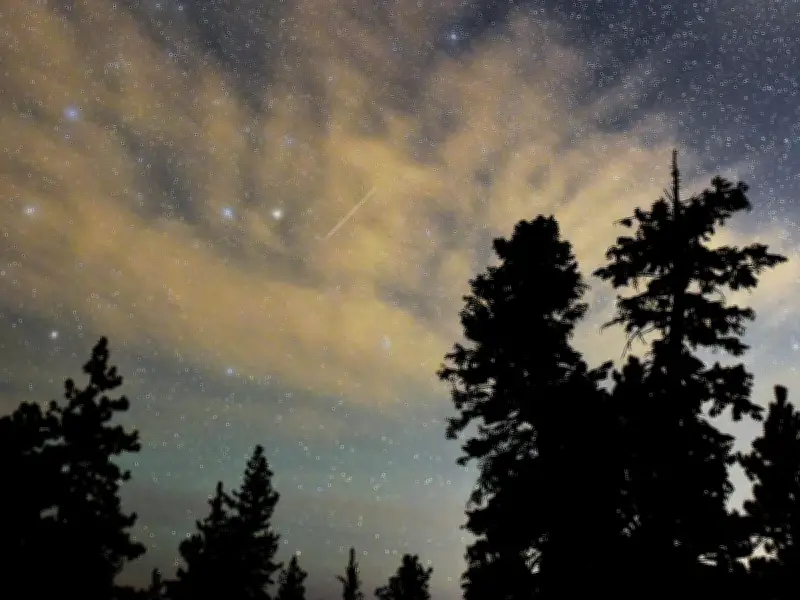
The Perseid meteor shower, one of the most dazzling celestial events of the year, has returned to the UK and will remain visible until mid-August. This year, the peak coincides with a new Moon, promising exceptional viewing conditions for Londoners with clear skies.
What is the Perseid meteor shower?
The Perseids occur when Earth passes through debris left by comet 109P/Swift-Tuttle, a massive object that takes 133 years to orbit the Sun and is larger than the asteroid that wiped out the dinosaurs. As these tiny dust particles enter Earth's atmosphere at high speed, they burn up, creating bright streaks of light. Dr Ashley King, meteorite expert at the Natural History Museum, explained: "As they come out of the vacuum of space and into Earth’s atmosphere, that little dust grain interacts with all the particles and ions in the atmosphere. It gets heated up by the friction and forms the impressive flash that we see."
When is the best time to see it?
The shower is active from Friday, July 17 to Monday, August 24, with activity increasing nightly. The peak is expected on August 12-13, when observers could see more than 100 meteors and fireballs per hour. According to Royal Museums Greenwich, the best viewing time is between midnight and 5:30am, though some meteors may be visible shortly after sunset.

Tips for the best view
To maximise your chances, check the weather forecast for clear conditions, reduce light pollution, and avoid looking at your phone for 15 minutes before looking up. Find an area with a clear view of the horizon, away from trees and buildings. Using a stargazing app can help you locate the constellation Perseus, from which the meteors appear to radiate.