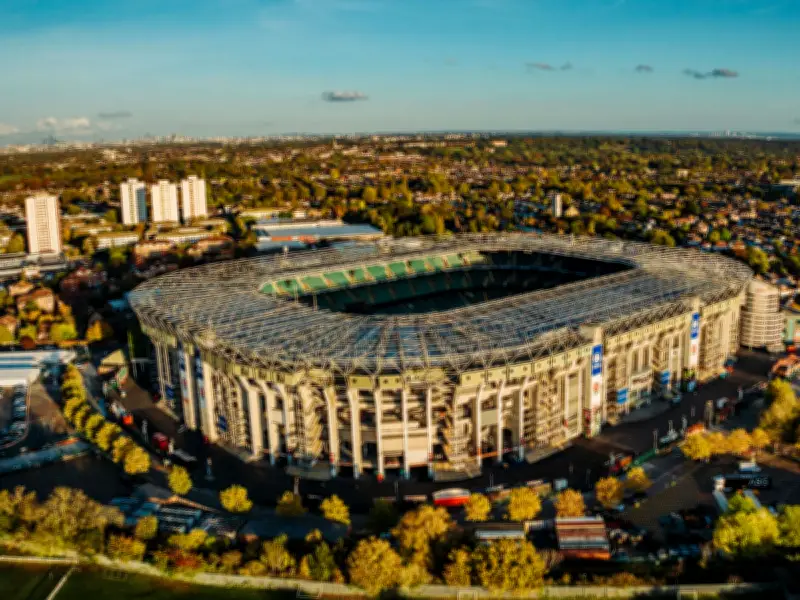
The Rugby Football Union (RFU) has formally submitted a planning application to Richmond Council that would permit up to 15 major concerts annually at Twickenham's Allianz Stadium, aiming to attract the world's biggest artists. The proposal has drawn fierce opposition, with over 3,000 residents signing a petition against it since the plans were first announced in 2024.
Current restrictions and the push for change
Currently, the 82,000-seat stadium, home of England Rugby since 1909, is allowed to host only three major non-sporting events per year, with a capacity cap of 55,000 and a ban on consecutive-day events. The stadium remains vacant for approximately 340 days annually. The RFU argues that this limitation severely hampers its ability to compete with other UK venues for global tours, as artists typically prefer to perform on weekends and in longer runs.
Since 2019, the stadium has hosted only one concert, underscoring its competitive disadvantage. The RFU believes that increasing the number of events is essential to make the venue a world-class destination, adapt to financial pressures, and fund a planned upgrade of the stadium.

Details of the proposal
If approved, the number of events would increase in phases over three years, with no more than eight separate events in the first year, rising to 15 by the third year. The plan includes a maximum of three events outside the May-to-September window, and no more than three consecutive events in any two-week period. Event capacity would be capped at 75,000, with lower limits on weekends initially.
To address community concerns, the RFU has proposed several mitigations. Local residents would receive priority access to tickets, with 1,000 tickets per concert available through a pre-sale window. A facility fee on each ticket would generate an estimated £1 million annually for a community enhancement fund, supporting local projects and stadium operations. Additionally, community groups could use stadium spaces for free, with at least 30 free bookings per year.
The RFU also confirmed an agreement with South Western Railway for extra train services at Twickenham Station during peak times on event days.
Economic benefits and licensing hurdles
The planning documents highlight significant economic benefits, stating: "The proposals will bring significant economic benefits to the local economy, with spending on accommodation, food, drink and other ancillary items within the local area. The uplift in the number of major non-sporting events will also create employment opportunities and demand for visitor accommodation." The documents further argue that hosting more events would allow the RFU to attract top artists, "cementing the stadium's position as an internationally significant sporting and cultural venue."
This application follows a setback in October 2024, when Richmond's licensing committee rejected a previous bid to lift restrictions. The committee cited the need for better engagement with residents and decided against lifting restrictions "for the foreseeable future." While the planning application addresses the number, size, and type of events, the RFU still requires licensing approval to fully implement the plan.
Next steps
Richmond Council will decide on the planning application in due course and is currently accepting public feedback on its website. The outcome will determine whether Twickenham Stadium can transform into a major events venue, balancing economic ambitions with local opposition.