Silicon Replicas of the Dead Offer Comfort to Grieving Families in Kolkata
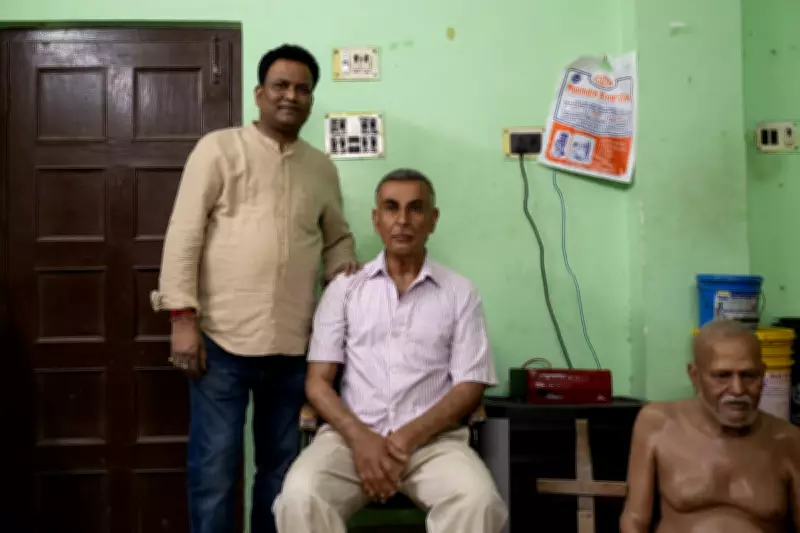
In the northern part of Kolkata, near Dum Dum Junction, Subimal Das operates a unique workshop from an old factory-warehouse. With a staff of 80, he specializes in crafting lifesize replicas using clay, fibreglass, and silicon. While his team produces figures of religious icons, cultural figures, cricketers, and Bollywood stars, a poignant new line has gained popularity: custom-made 30kg replicas of the dead, commissioned by grieving family members.
A Touching Form of Remembrance
Widows and widowers are the most frequent customers at Subi Creative House. They provide photographs of their deceased spouses to Das and his team, and after several months of meticulous work, they take home a hyper-realistic replica. Among the completed figures is Mr S Roy of Ranaghat, a city in West Bengal famous for its flowers, seated in a chair dressed in a checked shirt and slacks, ready for dispatch. Nearby, Mrs Parija from Odisha has her head finished with short, silvery-grey hair and a red bindi, awaiting her body.
Each replica costs approximately 2.5 lakh ($2,760). In 2025, customer Samit Kumar had replicas of his parents, Arun and Hena, created and drove them in an open-top vintage car through a festival in Kolkata, showcasing the personal significance of these figures.

Managing Grief Through Hyper-Realism
Das explains that his customers seek to hold onto their loved ones in a tangible way, helping them manage death and loss. The figures are often dressed in favorite outfits or saris and placed in familiar spots within the home, such as a cherished chair. "To the family, they are human – almost human," Das says. He aims for hyper-realism, using real human hair and paying close attention to details like jewelry and eye perfection, which often evokes strong emotions in both the creators and the families.
Das studied art in Kolkata after growing up in regional West Bengal. He initially painted Kolkata trams and worked in a museum before starting his workshop in 2013. The demand for replicas of the dead surged during the Covid pandemic, which ravaged India, leading to an influx of requests from those coping with loss.
Cultural Context and Personal Stories
From a western perspective, these creations might seem unnerving, but in Hinduism, death is viewed as a transition rather than an end, with complex beliefs about the afterlife and memorialization. This makes Das's workshop less like a wax museum and more a touching embodiment of smaran, or remembrance, in Hindi.
Tapas Sandilya, 67, lost his wife Indrani to Covid in 2021. Inspired by a silicone statue of a Hare Krishna leader they saw years earlier, Indrani had expressed a wish for a similar replica of herself. Sandilya, devastated by her loss, commissioned Das to create a perfect model, which now provides him with a sense of calm and continued togetherness. He has even started making silicone models of objects himself.
Workshop Details and Broader Creations
The workshop is a dark, noisy space where workers use their feet to shape clay. It houses a mix of replicas, including a huge caveman for a museum display, alongside molds of famous Indians, holy men, and spirit animals. Outside, discarded fibreglass pieces of animals accumulate, while a storeroom holds figures like 1960s Bollywood star Suchitra Sen and Hindu saint Acharya Srimat Swami Pranavananda Maharaj.
Das's team has produced 50 lifesize replicas of Narendra Modi and many of cricket legend Virat Kohli. Other notable figures include Gandhi, Rabindranath Tagore, Mother Teresa, and footballers Pelé and Lionel Messi. A replica of West Bengali artist Reba Pal, made for a festival, is currently stored at the factory for safekeeping.
These silicon replicas serve as a powerful tool for grief management, blending artistry with cultural traditions to offer solace to those mourning their loved ones in Kolkata and beyond.