The End of the Meet-Cute Era
When researcher Lisa Portolan began studying dating apps and intimacy nearly ten years ago, participants consistently referenced romantic comedies to describe their ideal love stories. They spoke of eyes meeting across crowded rooms, accidental encounters in parks, and coffee spilled on strangers destined to become soulmates. Films like Meet Joe Black, 10 Things I Hate About You, and Bridget Jones's Diary provided the cultural blueprint, with Jennifer Lopez often cited as the embodiment of luminous, serendipitous romance.
The Reality of Digital Dating
However, participants quickly acknowledged a harsh truth: such cinematic encounters seemed reserved only for those who "look like Lopez." For everyone else, romance unfolded in a far less glamorous setting—the dating app. One participant bluntly summarized this divide: "Rom-com love is for hot people. The dating apps are for the rest of us." A decade later, this perspective has shifted dramatically. Dating apps are no longer seen as a consolation prize; they have become the primary, and often sole, venue for romantic connection, effectively retiring the meet-cute from cultural relevance.
The Rise of Romantic Dread
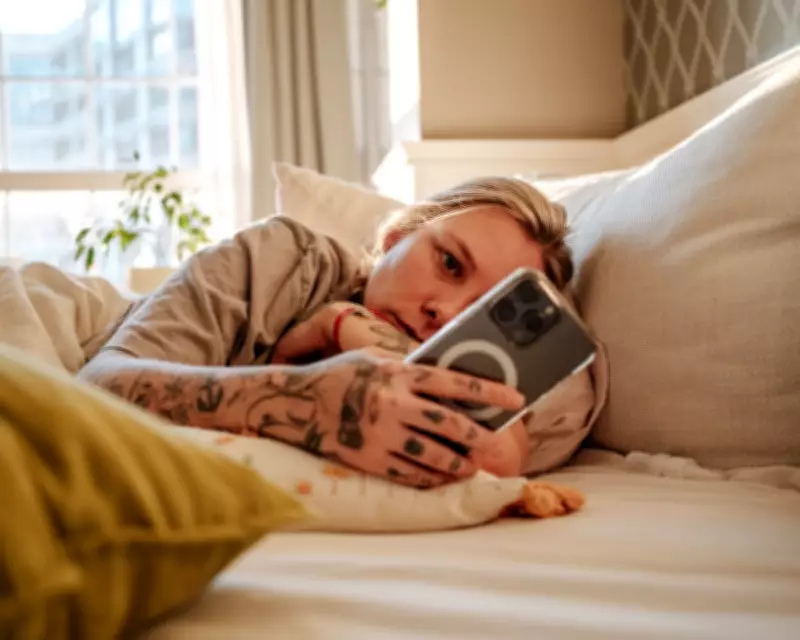
In place of optimistic meet-cutes, a phenomenon best described as romantic dread has emerged. This is characterized by the slow replacement of hope with the expectation that dating will be exhausting, ambiguous, and ultimately disappointing. This shift is deeply intertwined with the technological environment of modern romance, where connections are mediated through notifications, dopamine hits, and the subtle friction of a thumb against a screen.
Industrialized Relationship Anxiety
While dating apps did not invent relationship anxiety, they have industrialized it. The endless catalog of potential partners fosters a persistent belief that a better option is always just one swipe away. This environment is fertile ground for relationship OCD, a form of obsessive-compulsive thinking focused on romantic compatibility that frequently appears in Reddit threads and TikTok therapy-speak. Although intrusive doubts about attraction predate smartphones, the digital dating ecosystem amplifies the cognitive patterns that sustain them, with infinite choice feeding the fear of settling.
Participants often describe compulsive app use in terms of relief rather than pleasure. One woman noted, "I delete the apps when I feel overwhelmed, and then I reinstall them when I'm bored." Another stated more starkly, "It feels like a second job." Conversations that begin with strangers often end in ghosting, a form of rejection so routine it barely registers, contrasting sharply with the face-to-face rejections that once represented the central terror of dating.
Cultural Shifts and Cinematic Reflections
This transformation is not occurring in a vacuum. A broader cultural mood has shifted, and in uncertain times, long-term romantic optimism can feel indulgent. The traditional script of marriage, mortgage, and happily-ever-after sits uneasily alongside a pervasive sense that the world is on the precipice. Cinema has begun to reflect this change, moving away from saccharine heteronormative milestones toward narratives filled with domestic unease and relationship anxiety.
Films like Marriage Story, which dissects divorce with forensic precision, The Worst Person in the World, capturing romantic indecision as a defining millennial experience, and The Lobster, which turns coupling into dystopian satire, signal this tonal shift. Where audiences once watched couples overcome obstacles to be together, they now watch couples struggle to justify staying in love, echoing the sentiments expressed by participants in dating research.
The Paradox of Persistent Connection
This leads to a central paradox: the desire for connection has not disappeared, but the cultural narratives that once sustained romantic optimism have eroded. The meet-cute has been replaced by the doomscroll, and romantic aspiration has given way to romantic management. Yet, the swiping continues unabated. People still download the apps, delete them in frustration, and then reinstall them, complaining about the exhaustion of dating even as they remain embedded within it.
The search for love persists, but it is now reframed as a task to be completed rather than a story waiting to unfold. The swipe promises possibility, while romantic dread expects disappointment. Modern dating exists in the uneasy space between these two extremes, a testament to how technology and culture have reshaped our most intimate pursuits.