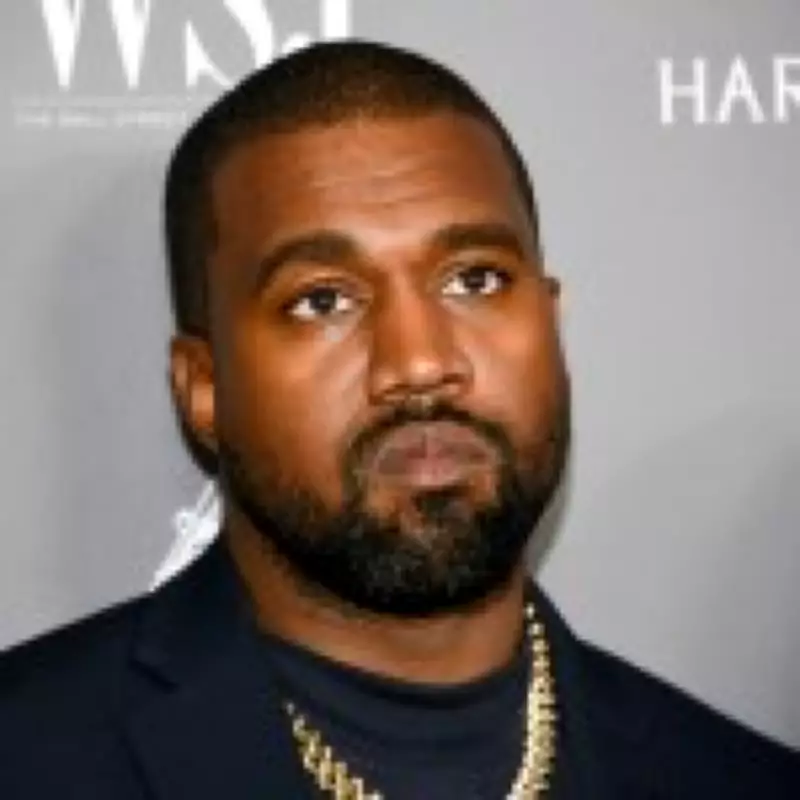
French authorities are taking a firm stance against Kanye West's planned performance in Marseille, with Interior Minister Laurent Nuñez reportedly "highly determined" to block the controversial rapper from taking the stage. This development comes after West's scheduled headlining appearance at the Wireless Festival in London was abruptly cancelled, casting further doubt on his European comeback efforts.
Concert in Jeopardy Amidst Growing Controversy
Kanye West, who now goes by the name Ye, is scheduled to perform at the Orange Velodrome in Marseille on June 11, 2026, in what has been promoted as his "only performance in France." However, tickets remain available across all pricing brackets, suggesting lukewarm public interest in the wake of ongoing controversies surrounding the artist.
Wireless Festival Fallout Sets Precedent
The French government's position follows the complete cancellation of the Wireless Festival in London, which occurred after Ye was announced as the sole headliner. The UK Home Office denied his Electronic Travel Authorisation, stating his presence "would not be conducive to the public good." This decision triggered sponsor withdrawals and ultimately forced festival organizers to scrap the entire 2026 event.
According to sources speaking to AFP, Minister Nuñez is "exploring all possibilities" to prevent Ye from performing in France. The minister's determination stems from the rapper's documented history of antisemitic remarks and what officials describe as "erratic and offensive behavior" that has spanned several years.
History of Controversial Statements and Actions
Ye's troubles with mainstream acceptance began years ago following numerous incidents involving antisemitic, racist, sexist, and homophobic comments. Most notably, in May 2025, he released a song titled "Heil Hitler" and marketed T-shirts featuring swastikas while publicly declaring himself a Nazi.
Attempted Apology and Continued Scrutiny
In January 2026, Ye issued a public apology for his past behavior, followed by a follow-up statement addressing the Wireless Festival backlash. In a letter published by the Wall Street Journal titled "To Those I've Hurt," he wrote: "My only goal is to come to London and present a show of change, bringing unity, peace, and love through my music."
The rapper expressed willingness to meet with Jewish community representatives, stating: "I know words aren't enough – I'll have to show change through my actions. If you're open, I'm here. With love, Ye." Despite these conciliatory gestures, authorities remain unconvinced of his rehabilitation.
Broader Implications for Celebrity Accountability
This situation highlights increasing governmental willingness to intervene in entertainment events when public figures engage in hate speech. The French government's proactive stance suggests a growing trend where nations are prioritizing social cohesion over celebrity performances, particularly when those performers have promoted antisemitic ideologies.
While Wireless Festival organizers initially defended their decision to platform Ye, the complete cancellation of their event demonstrates the financial and reputational risks associated with booking controversial artists. The French authorities' current position indicates they are carefully considering similar consequences for the Marseille concert.
As the June performance date approaches, all eyes remain on the French Interior Ministry's next moves. The outcome could establish important precedents for how European nations handle performers with histories of promoting hate speech, potentially reshaping booking practices across the continent's entertainment industry.